
Key Takeaways: Explosions on Iran's Qeshm Island inject fresh uncertainty into crude markets, with Brent futures trading above $91 a barrel.
Key Takeaways: Explosions on Iran's Qeshm Island inject fresh uncertainty into crude markets, with Brent futures trading above $91 a barrel.
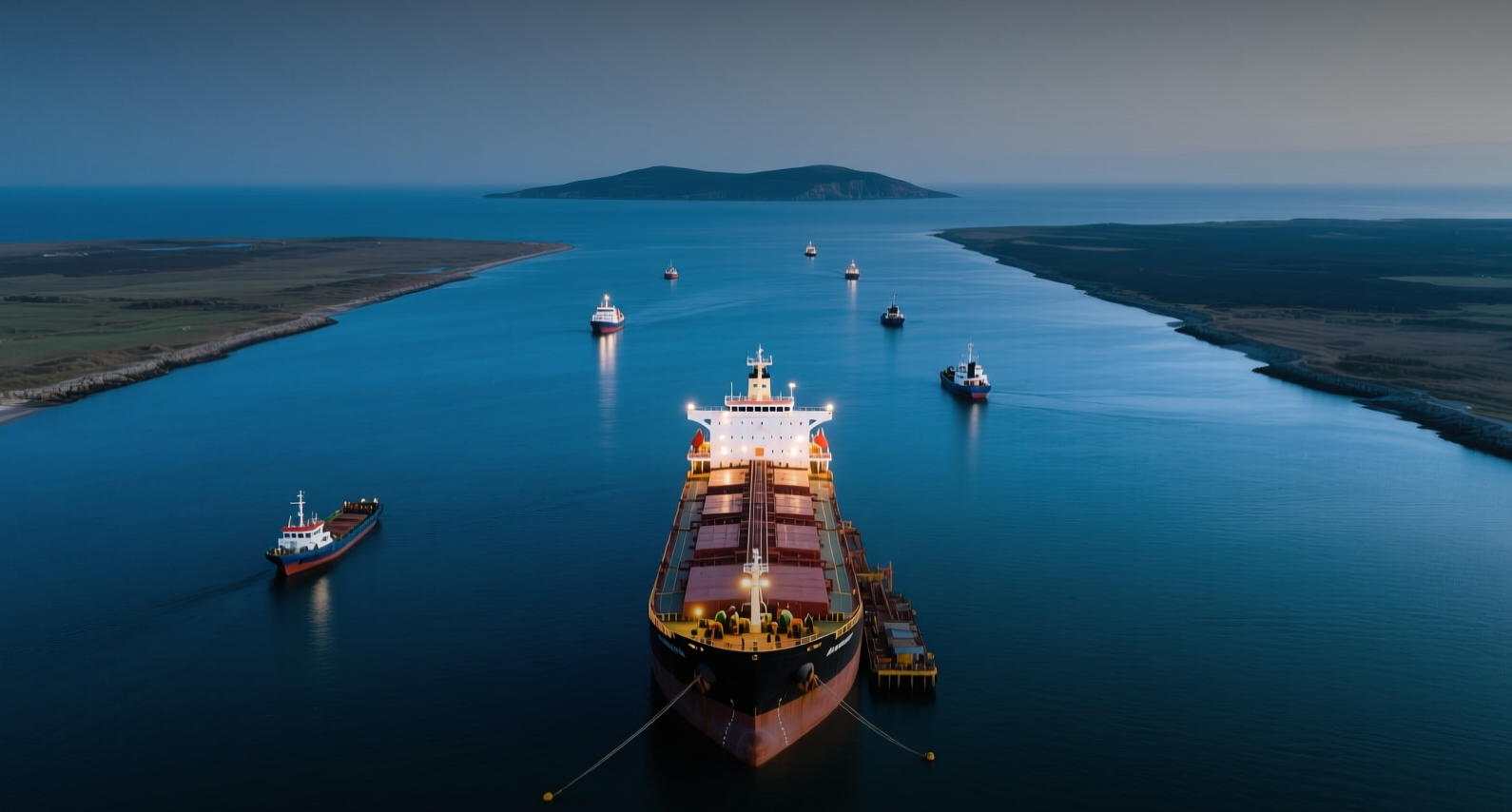
Explosions on Iran's Qeshm Island inject fresh uncertainty into crude markets, with Brent futures trading above $91 a barrel.
Explosions reported on Iran's Qeshm Island on Tuesday pushed Brent crude above $91 a barrel, extending a two-day rally as traders weighed the latest escalation in a six-month US-Iran conflict that has already removed millions of barrels from global supply.
"These bring the potential for Iranian retaliation back into the equation," said Tim Waterer, chief market analyst at KCM. "That in turn raises the prospect of damage to energy infrastructure around the Gulf and adds fresh uncertainty for shipping through the Strait of Hormuz."
Brent futures rose 56 cents, or 0.6%, to $91.05 a barrel at 0044 GMT, after closing up 2.7% in the prior session. WTI gained 83 cents, or 1%, to $86.59. The moves follow Sunday's US strike on two Iranian rocket launchers on Larak Island — the first American attack on Iranian territory since late July — and Iran's retaliatory missile and drone barrage on two US air bases in Jordan, eight of which were intercepted.
The Strait of Hormuz carried about a fifth of global oil supplies before Iran shut the waterway on Feb. 28. Goldman Sachs estimates Gulf exports have recovered to 15-16 million barrels per day, still 7-8 million bpd below pre-war levels. JPMorgan calculates each additional month of disruption could add $7-$8 a barrel to Brent, with a three-month scenario averaging $114.
Iranian state media IRIB reported the Qeshm explosions but provided no details on cause, damage, or casualties. Qeshm Island sits at the entrance to the Strait of Hormuz and hosts military installations as well as civilian infrastructure. The lack of official attribution leaves the market guessing whether the blasts stem from US or Israeli strikes, internal accidents, or sabotage — a vacuum that itself feeds the risk premium.
The Qeshm reports come on top of a weekend of escalating exchanges. US forces struck two IRGC rocket launchers on Larak Island on Sunday after observing preparations to deploy sea mines into the strait, according to US Central Command spokesman Capt. Tim Hawkins. Iran's semi-official Tasnim News Agency said two fighters and two civilians were killed. Tehran vowed "response and punishment" and subsequently launched missiles and drones at two US air bases in Jordan.
Shipping data from Kpler shows visible commodity vessel transits through Hormuz have dropped to five per day, reflecting caution among companies wary of attacks. The UKMTO reported a tanker struck by three projectiles while sailing out of the strait on Tuesday, following a separate mine strike on a supertanker that Iran's IRGC Navy said caught fire and stopped south of the waterway.
US Treasury Secretary Scott Bessent told Reuters on Sunday that Washington plans to issue new secondary sanctions on Iran weekly, aiming to cut the Islamic republic off entirely from the dollar-based financial system. The sanctions push compounds the physical supply disruption, tightening the market from both the supply and financial sides.
JPMorgan's base case assumes the conflict persists, with each additional month of disruption adding $7-$8 to Brent. If disruption lasts three months, the bank sees average monthly Brent around $114. Goldman Sachs warns Brent could reach $120 if shipping problems through Hormuz persist, though its base case assumes tensions eventually ease, with Brent averaging $80 in the fourth quarter and $75 next year. ING and other houses point to $105-$120 in prolonged disruption scenarios.
The last time the US struck Iranian territory was in late July, and oil prices subsequently eased as the conflict shifted into an economic standoff. This weekend's exchange marks a return to direct military confrontation, and the market is pricing a higher probability that it will not be a one-off. Trump's social-media post claiming Iran's Kharg Island oil terminal was "being blown to smithereens" added to uncertainty, though US military sources did not confirm an attack on the facility that handles most of Iran's crude exports.
The Qeshm explosions, if confirmed as military strikes, would mark the third distinct escalation in as many days. With mediators from Qatar and Oman struggling to broker a deal to reopen Hormuz, and US SPR stockpiles at 286.6 million barrels — near a 44-year low — the margin for absorbing further supply shocks is thin.
This article is for informational purposes only and does not constitute investment advice.
