
The share of used cars sold under $20,000 has nearly halved since 2019, forcing buyers to accept older vehicles, higher mileage, and steeper financing costs.
The share of used cars sold under $20,000 has nearly halved since 2019, forcing buyers to accept older vehicles, higher mileage, and steeper financing costs.
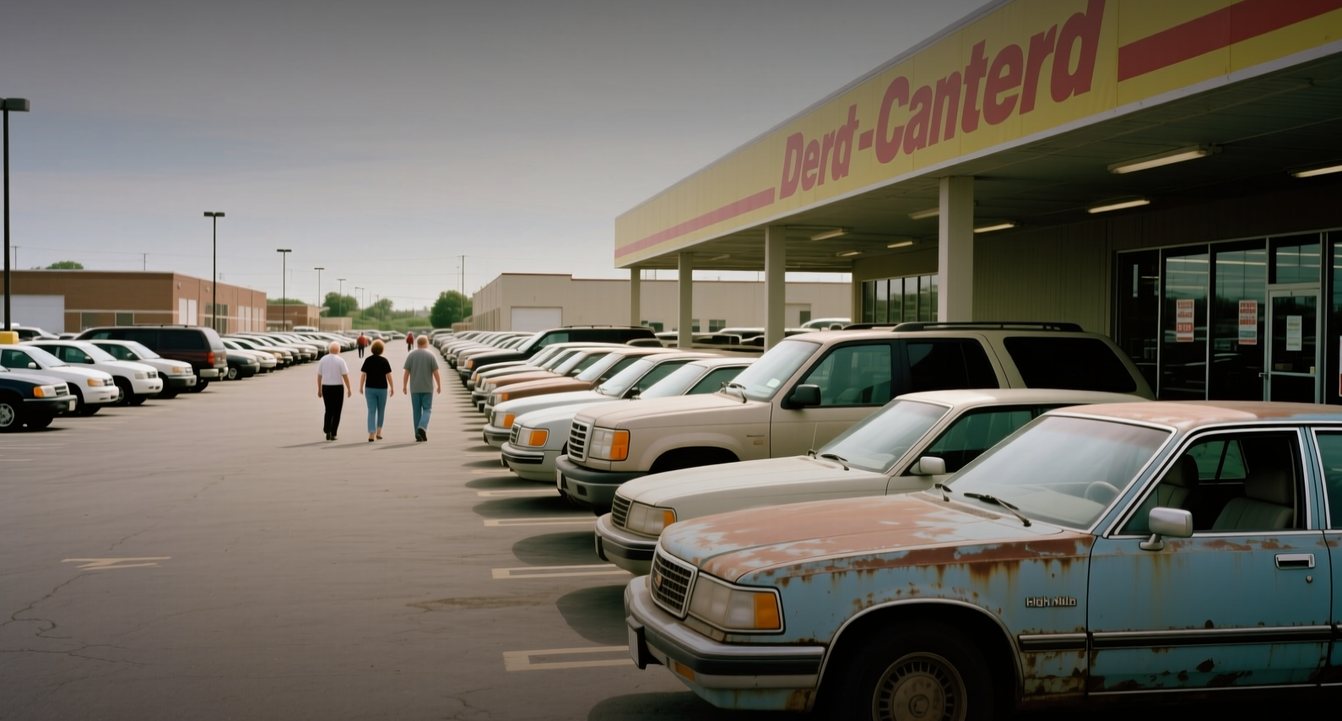
The share of used cars sold under $20,000 has nearly halved since 2019, forcing buyers to accept older vehicles, higher mileage, and steeper financing costs.
Used-car affordability has deteriorated sharply since 2019, with vehicles under $20,000 now accounting for just 32 percent of sales, down from 55.2 percent in the same quarter, according to Edmunds, an auto research site.
"As a general rule, the cars that are lower in price are going to be older than they used to be, with more miles than they used to have," said Joseph Yoon, consumer insights analyst at Edmunds.
The average list price for a used car reached $27,028 in July, according to Cox Automotive — roughly 29 percent above July 2019, nearly matching cumulative U.S. inflation over that period. The average vehicle priced between $15,000 and $20,000 was six years old with 71,192 miles in the second quarter, compared with 3.4 years and 41,851 miles in 2019. Cars in the $10,000-to-$15,000 bracket averaged 8.7 years old with 98,222 miles, up from 4.7 years and 58,250 miles.
The affordability squeeze extends beyond the sticker price. Used-car loans carried an average interest rate of 11.2 percent in the second quarter, versus 6.4 percent for new-car loans, according to Experian. Buyers with credit scores below 500 face average rates above 21 percent. Lower-priced vehicles sell faster — 25.4 days on dealer lots for the $5,000-to-$10,000 range versus 44.3 days for cars over $50,000 — reflecting intense demand for a shrinking pool of affordable inventory.
"Today's used car prices are among the most powerful examples of the affordability challenge facing consumers," said Karl Brauer, executive analyst at iSeeCars, a used-car research site.
The trade-off for buyers is straightforward: a lower upfront price now means higher post-purchase costs later. "In general, buying an older used car means a lower up-front cost, but higher post-purchase maintenance and repair costs," Brauer said. "Even if the car in general is reliable, stuff just wears out," Yoon added.
Financing adds another layer of pressure. The average used-car loan in the second quarter carried an 11.2 percent interest rate over 5.6 years, according to Experian. New-car loans averaged 6.4 percent over 5.7 years. The average financing amount for used-car buyers was $27,852, with a monthly payment of $542; roughly one in three used-car loans came with a payment under $400. By comparison, new-car buyers financed an average of $43,610 with a monthly payment of $765.
Loan terms deserve particular scrutiny against vehicle age, Yoon cautioned. "If you buy a seven-year-old used car and take out a six- or seven-year car loan, and then three or four years into the loan you have something catastrophic happen and you need to replace the car, you're going to owe a bunch of money on that loan or have to roll it into [the loan] for your next car," he said.
The data points to a structural shift rather than a temporary blip. Used-car prices have risen roughly in line with overall inflation since 2019, but the composition of the affordable segment has changed dramatically — buyers are getting older, higher-mileage vehicles for their money. The average car in the $10,000-to-$15,000 range is now nearly nine years old with close to 100,000 miles, a profile that would have been unthinkable in the pre-pandemic market.
The implications extend beyond individual buyers. As more consumers stretch loan terms on aging vehicles, the risk of negative equity grows — a dynamic that could ripple through auto lending portfolios if vehicle values depreciate faster than loan balances. For lenders, the combination of higher rates and older collateral raises credit risk in the subprime segment, where average rates already exceed 21 percent.
For consumers, the practical takeaway is to weigh total cost of ownership — purchase price, financing, maintenance, and repair — rather than focusing on the sticker alone. The days of finding a reliable, low-mileage used car for under $20,000 are increasingly rare. Figures cited here reflect second-quarter 2026 data from Edmunds, Cox Automotive, and Experian; readers should verify current rates and prices against the latest official announcements.
This article is for informational purposes only and does not constitute investment advice.
