
Three Turkish-operated vessels were struck by drones in the Black Sea within one week, prompting Ankara to summon Ukraine's ambassador.
Three Turkish-operated vessels were struck by drones in the Black Sea within one week, prompting Ankara to summon Ukraine's ambassador.
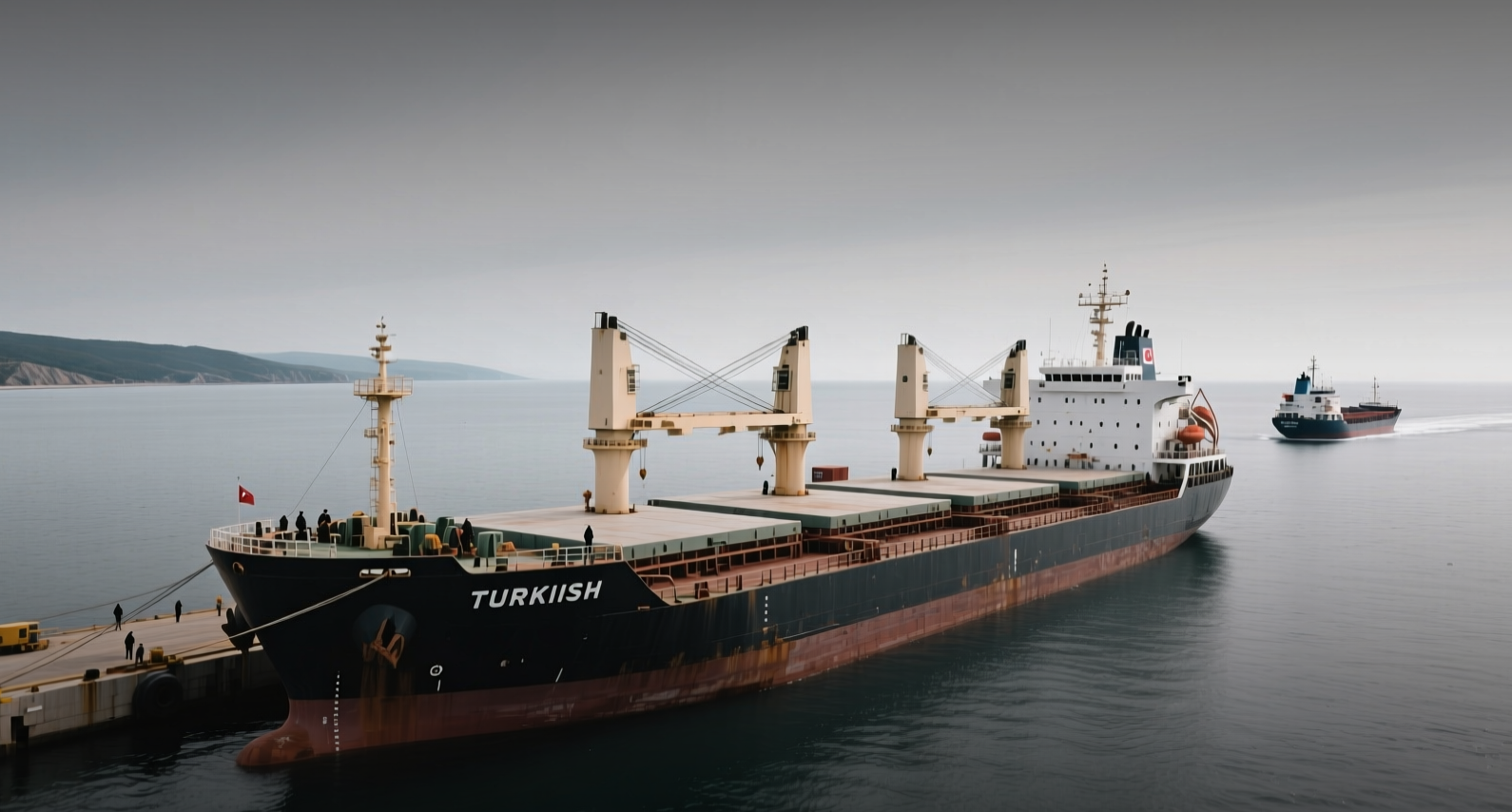
Turkey summoned Ukraine's ambassador Saturday after three Turkish-operated cargo vessels were struck by drones near the Russian port of Tuapse, escalating civilian shipping safety concerns in the Black Sea war zone.
Ukrainian drones hit the Lider Bordo Mavi with three strikes on Aug. 26, injuring five crew members, Erkut Celebi, head of the Trabzon Chamber of Commerce and Industry, said Thursday. The vessel, flying the Cameroon flag and operated by a Turkish company, was carrying fresh produce from the port of Samsun. It had been bound for Tuapse after reportedly being unable to call at the Russian port of Novorossiysk.
The Lider Kocatepe, dispatched the following day to tow the damaged ship, was also targeted by a drone, sustaining material damage before returning to Samsun, Turkish media reported. A third Turkish-linked vessel, the Ural, was attacked Aug. 22, killing one sailor and injuring eight others after it had rescued 18 crew members from the cargo ship Necibe. There was no immediate public claim of responsibility from Ukraine for any of the attacks.
The attacks threaten Turkey's commercial shipping routes linking its Black Sea ports with Russian markets — a trade channel that has continued despite the war. Ankara has pushed for a mutual halt to attacks on civilian ships, commercial ports and energy facilities, and played a central role in the Black Sea Grain Initiative that helped export Ukrainian agricultural products.
The incidents mark the most concentrated wave of attacks on Turkish-operated shipping since Russia's full-scale invasion of Ukraine in February 2022. The Black Sea Grain Initiative, brokered by Turkey and the United Nations in July 2022, had helped stabilize grain exports before Moscow withdrew from the deal in July 2023. Since then, civilian vessels have faced growing risks from missiles, drones and naval activity.
Ukrainian officials have said attacks on vessels and infrastructure connected to Russia are aimed at disrupting Moscow's wartime logistics and revenue rather than deliberately targeting civilians. They have also acknowledged the dangers faced by seafarers and urged shipowners to factor the security situation into their operations. Russia, for its part, has attributed similar recent strikes on commercial shipping to Ukrainian forces.
The Black Sea corridor handles a significant share of global grain exports and serves as a key energy transit route. Disruptions to civilian shipping could ripple through commodity supply chains, adding to the risk premium for crude oil and agricultural products that move through the region. The last time commercial shipping was disrupted at this scale was in the early months of the war, when grain exports collapsed before the grain deal was signed. That precedent suggests the current attacks could have outsized effects on commodity prices if they persist.
The diplomatic summons to Ambassador Nariman Dzhelialov signals Ankara's growing frustration with the targeting of its commercial fleet. Turkey has sought to balance relations with both Kyiv and Moscow while serving as a mediator in efforts to reduce the war's impact on civilian activity.
The attacks carry particular weight for Turkey, a Black Sea coastal state whose shipping industry has continued to operate routes linking Turkish ports with Russia and other regional markets despite the war. Turkish officials have recently pushed for a mutual halt to attacks on civilian ships, commercial ports and energy facilities.
As of Saturday, the condition of the five injured crew members from the Lider Bordo Mavi was being monitored, and the full extent of damage to both vessels was still being assessed. Turkey has maintained diplomatic contacts with both Kyiv and Moscow after incidents involving ships connected to the country. The question now is whether Ankara's diplomatic response will be enough to deter further attacks, or whether the escalation will force Turkey to reconsider its shipping operations in the region.
This article is for informational purposes only and does not constitute investment advice.
