
WTI crude climbed 1.4 percent in early Asia-Pacific trade after the US military struck Iranian tankers near the Kharg Island export hub, threatening global supply.
WTI crude climbed 1.4 percent in early Asia-Pacific trade after the US military struck Iranian tankers near the Kharg Island export hub, threatening global supply.
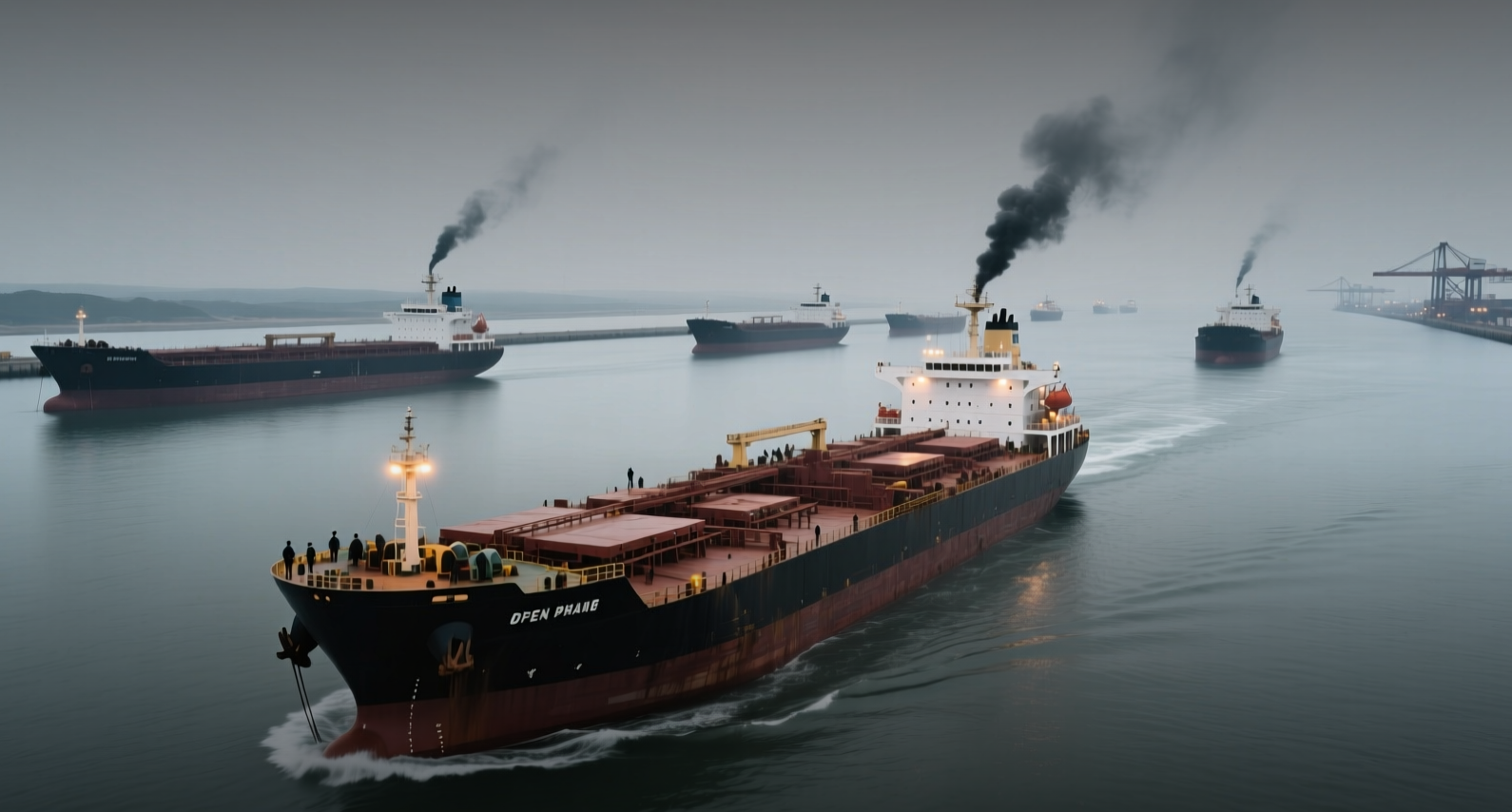
US strikes on Iranian tankers near Kharg Island, the export hub for up to 90 percent of Iran's crude, sent WTI futures up 1.4 percent in Asia-Pacific trading on supply disruption risk.
"This is the greatest economic isolation operation in the history of the world. We are going to asphyxiate this regime," Treasury Secretary Scott Bessent told Fox News, calling the combination of US force in the Strait of Hormuz with sanctions "one of the most powerful one-two punches in the history of economic isolation."
The strikes, reported by Fox News citing unnamed senior US officials, also hit targets near the port city of Jask and followed more attempted missile attacks on a US Navy warship, according to the Associated Press. New York silver fell 1.0 percent to $66.3 an ounce as commodities repriced, while Iran's Fars news agency reported an explosion in the southern Jask area off the Gulf of Oman.
Kharg Island provides storage for up to 30 million barrels of crude, and any sustained disruption to the terminal — or to Strait of Hormuz transit — threatens a substantial share of global oil trade. The Islamic Revolutionary Guard Corps warned Tuesday that ships in Kuwaiti and Bahraini ports hosting US forces could be targeted in response, raising the risk of a wider conflict that would tighten supply further.
The strikes mark the latest escalation in a war now in its seventh month, with the US adding military force to an economic squeeze that has already sanctioned all remaining Iranian airlines and their support companies. Companies operating in the UAE, Turkey, Malaysia and Kazakhstan were hit by Tuesday's airline sanctions, and Treasury officials warned that any country found helping Iran's airline industry would face swift penalties.
Iran relies heavily on oil exports to fund its economy and military, making Kharg Island — which handles the majority of Iranian crude shipments — a strategic choke point. The US strategy of sinking and disabling Iranian crude tankers, described by Fox News as part of a larger effort to squeeze Tehran economically, directly targets the revenue stream that sustains the regime. Kharg Island's terminal and offshore loading facilities sit in the northern Persian Gulf, and its storage capacity of up to 30 million barrels makes it the single most important node in Iran's export network.
The Wall Street Journal reported that Iran launched a missile attack against a US Navy ship on Monday after firing ballistic missiles at an aircraft carrier and a guided-missile destroyer over the weekend. While both attacks failed, officials cited by the Journal said the attempts raised alarm that Iran is using more sophisticated weapons and could be getting assistance from China or Russia.
The failed attacks and the IRGC's threat against Kuwaiti and Bahraini ports suggest Tehran is weighing options for retaliation even as the US tightens its blockade. For crude traders, the question is whether the strikes near Kharg Island escalate into a broader disruption of Strait of Hormuz transit, through which a substantial share of global oil flows. If the terminal is disabled for an extended period, the geopolitical risk premium now built into WTI could widen further; if the strikes prove limited and Iran's export capacity holds, prices may give back some of Tuesday's gains.
The escalation comes as Washington bets that cutting off oil revenue will force Tehran to capitulate faster than military strikes alone. Bessent's framing of the campaign as an economic asphyxiation shows the administration views Kharg Island and the tanker fleet as the most direct levers on the regime. With Iran's Fars agency confirming explosions near Jask and the IRGC threatening Gulf shipping, the risk premium in crude is unlikely to fade until Tehran's response becomes clear.
This article is for informational purposes only and does not constitute investment advice.
