A German retailer's insolvency has cost W. P. Carey Inc. less than feared, and the net lease REIT now expects to deploy capital at a faster clip, telling investors it can see more than $1.9 billion of 2026 investment volume and that rent losses from tenant credit events will come in below its prior estimate.
The New York-based landlord, which owns 1,748 properties spanning roughly 188 million square feet as of June 30, 2026, disclosed the figures in a business update dated Sept. 10. About $1.4 billion of the 2026 total is already completed year to date, with the remainder split between pipeline transactions expected to close this year and capital projects scheduled to deliver in 2026.
"Investment activity remains strong and we believe we're well positioned to end the year in the top half of our current investment volume guidance range," Jason Fox, chief executive officer of W. P. Carey, said. "We've also made further progress addressing Hellweg, which, together with improved visibility into expected Hellweg rent over the second half of the year, has improved our outlook for rent loss this year."
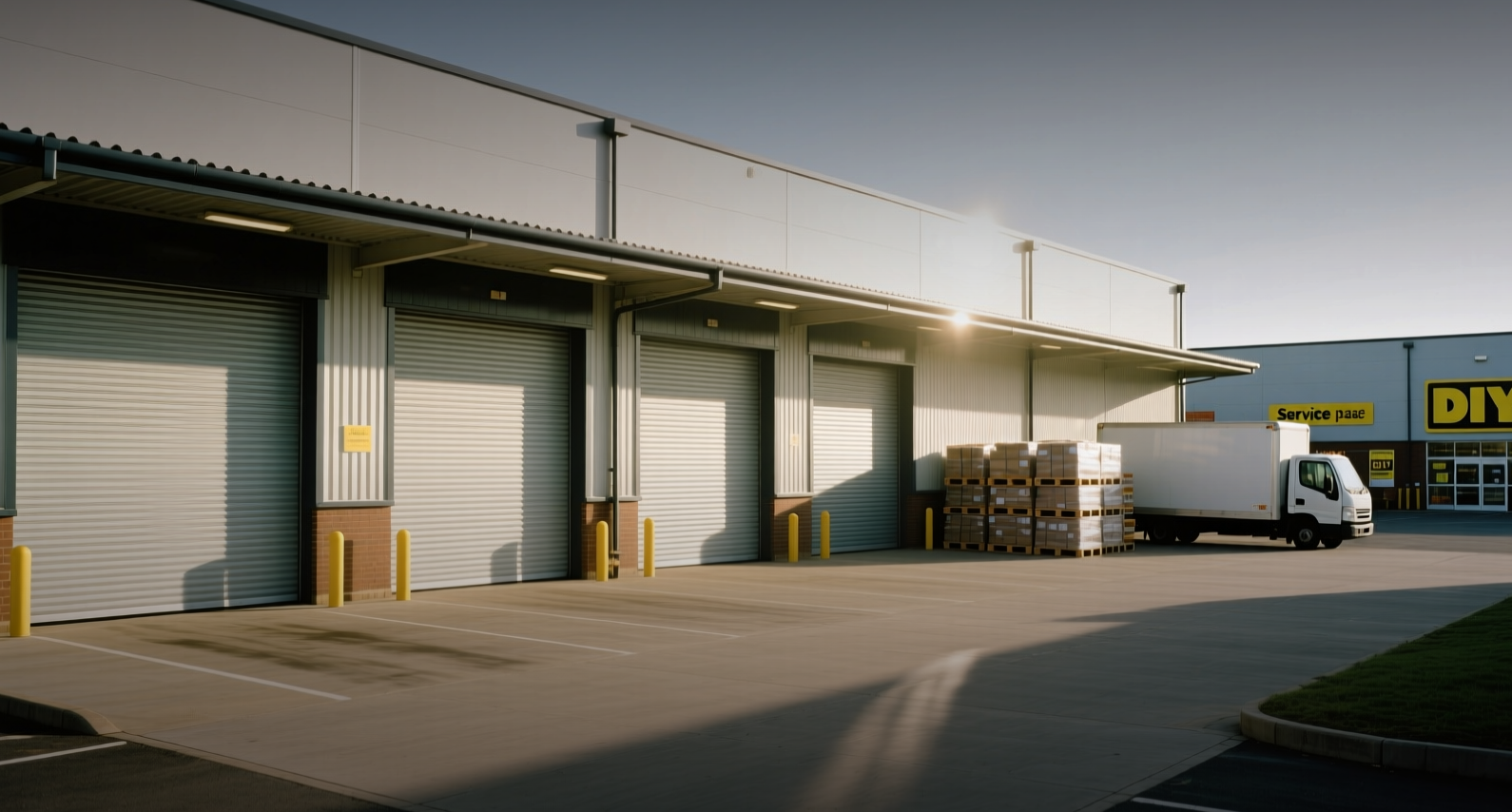
The credit revision centers on Hellweg, the German DIY retailer whose insolvency has been the single largest drag on W. P. Carey's rent collection. The company has executed binding leases for nine Hellweg stores representing about $9.8 million, or 64%, of current Hellweg annual base rent, with new rent expected to start between late 2026 and mid-2027. Two more stores, worth roughly $1.2 million or 8% of Hellweg ABR, are in the final stages of negotiation with leases expected by the end of September. The remaining five stores, about $4.3 million or 28% of Hellweg ABR, are slated for sale by the end of 2026.
Across the 11 stores being re-tenanted, W. P. Carey expects rent recapture close to 100% of current Hellweg rent. The company also continues to expect to recognize the benefit of bank guarantees covering up to three months of lease-related damages tied to Hellweg. Hellweg ABR figures were translated at the ECB reference rate of 1.1652 dollars per euro on Sept. 9, 2026.
For a net lease REIT, the arithmetic matters more than the headline. Rent loss from a tenant credit event is a direct hit to revenue with no offsetting cost reduction, so every dollar of avoided loss flows almost entirely to adjusted funds from operations, the metric REIT investors use in place of earnings per share. W. P. Carey said the combination of stronger investment activity and better Hellweg visibility leaves AFFO on track to finish the year above the midpoint of its current guidance range, with a full update due at third-quarter results.
The investment side of the update carries its own signal. A $1.9 billion annual volume figure against a portfolio of 1,748 properties implies roughly 1% net growth in the asset base before dispositions, and the company's stated focus on single-tenant industrial, warehouse and retail assets in the U.S. and Europe under long-term net leases with built-in escalations keeps the mix weighted toward the segments where cap rates have compressed least. Fox's reference to the "top half" of the guidance range implies full-year volume at or above the midpoint of the previously disclosed band, though W. P. Carey did not restate that band in the release.
The read-across extends beyond one issuer. Net lease REITs including Realty Income and Agree Realty have traded on the same question through 2026: whether tenant credit deterioration at retail and industrial occupiers would force rent concessions and push cap rates wider. W. P. Carey's disclosure that it expects near-full rent recapture on a re-tenanted portfolio, and that bank guarantees are covering damages, offers a counterexample to the worst-case credit narrative. The last time a major net lease landlord disclosed a comparable tenant workout at near-full recapture, sector spreads on unsecured REIT debt narrowed within the following quarter as investors repriced default assumptions downward.
The caveats are structural rather than cosmetic. The nine signed Hellweg leases do not begin paying rent until late 2026 at the earliest, leaving a gap in which the company depends on bank guarantees and partial collections. The five stores marked for sale carry no disclosed pricing, so the recovery rate on that 28% of Hellweg ABR remains unquantified. And the $1.9 billion pipeline is a visibility figure, not a signed backlog — deals in the pipeline can slip past year-end if financing markets tighten or seller expectations reset.
W. P. Carey's next hard datapoint is its third-quarter earnings report, when it is expected to update full-year investment volume and AFFO guidance. Between now and then, the two variables that matter are whether the two remaining Hellweg leases are signed by the end of September as guided, and whether the five store sales close by year-end at prices that preserve the near-100% recapture assumption. If both hold, the credit-loss revision becomes a permanent reduction in the 2026 drag rather than a timing shift. If either slips, the improved outlook reverses into 2027.
This article is for informational purposes only and does not constitute investment advice.