

The AI infrastructure cycle has further to run, with Intel emerging as a credible turnaround story and the US reclaiming technological leadership over China for the first time in three decades.
The AI infrastructure cycle has further to run, with Intel emerging as a credible turnaround story and the US reclaiming technological leadership over China for the first time in three decades.
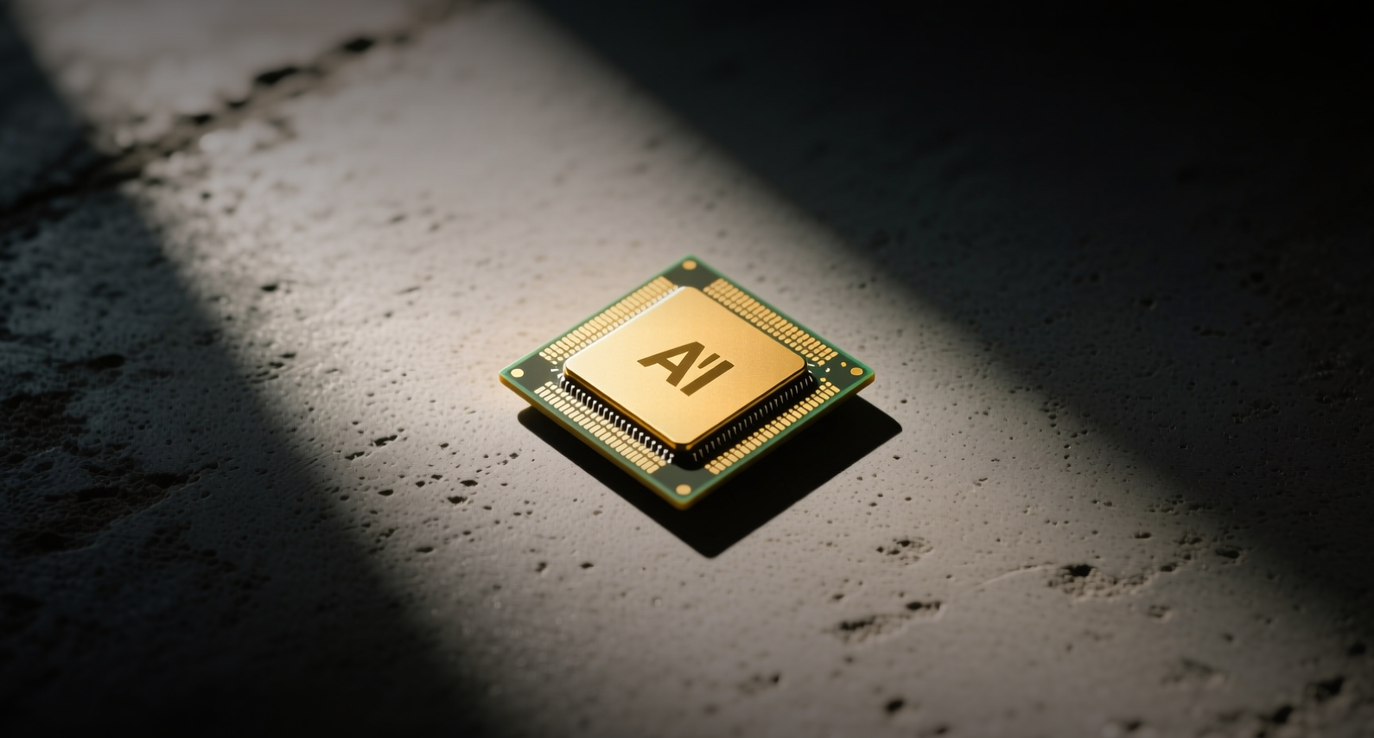
The artificial intelligence buildout remains in its early stages, with the US holding a technology lead over China for the first time in 30 years and Intel staging a credible turnaround, Dan Ives of Yorkville Ives & Co said.
"We're in the third inning of the AI revolution," Ives, partner and senior managing director at Yorkville Ives & Co, said on Bloomberg Intelligence. "For the first time in 30 years, the US is ahead of China when it comes to tech."
Intel delivered a standout second quarter, with revenue rising 25% year over year to $16.1 billion and non-GAAP earnings per share of $0.42, surpassing expectations. Its Data Center and AI segment surged 59% to $6.3 billion, affirming the company's participation in the AI infrastructure cycle. Non-GAAP gross margin improved to 41.8%, with third-quarter guidance maintaining that momentum.
The bullish framing comes ahead of next week's tech earnings reports, which will test whether the sector can sustain its valuation premium. Nvidia's recent blockbuster results reinforced Wall Street's conviction that AI spending has further to run, with analysts describing the boom as nowhere near its peak.
Intel's Foundry Pivot Gains Credibility
Intel's turnaround hinges on its foundry strategy, which aims to manufacture chips for external customers using advanced process nodes. The company's 18A node (equivalent to roughly 1.8nm, offering improved transistor density and power efficiency) is on track for production in 2026, with test chips already in the hands of potential clients. TSMC, the dominant foundry with more than 90% market share in advanced nodes below 7nm, faces its first credible challenger in decades. Intel's DCAI revenue of $6.3 billion suggests its server chip roadmap is also gaining traction, though the company still trails Nvidia in AI accelerator market share by a wide margin.
China's AI Push Creates a Counter-Narrative
While Ives argued the US has regained its tech lead, Chinese AI startups are making inroads in the American market. Moonshot's Kimi K3 chatbot, launched in July, saw US downloads surge 387% in its first week, while DeepSeek's V4 model and Z.ai's GLM-5.2 have attracted users seeking cheaper alternatives to Anthropic's Claude and OpenAI's GPT. Goldman Sachs wrote in a July research report that Chinese AI models are reaching a "critical stage" for wide adoption, particularly as agentic AI usage drives demand for cost-effective inference. Most Chinese models are open-source, giving them a distribution advantage over the closed systems of US frontier labs.
For investors, the AI cycle's "third inning" framing suggests continued capital expenditure growth across the semiconductor supply chain. Nvidia trades at roughly 35 times forward earnings, reflecting expectations that its data center revenue will sustain 50 percent plus growth. Intel, by contrast, trades at a discount that prices in execution risk on its foundry pivot. If Intel delivers on its 18A timeline and wins external customers, the current valuation leaves room for multiple expansion. The wild card is China: if US export controls on advanced chips tighten further, it could accelerate Chinese self-sufficiency efforts and create a bifurcated global supply chain.
This article is for informational purposes only and does not constitute investment advice.
