
Apple's $60 billion Texas investment, part of a $600 billion U.S. manufacturing commitment, is designed to shield margins from tariff shocks as John Ternus takes over as CEO on Sept. 1.
Apple's $60 billion Texas investment, part of a $600 billion U.S. manufacturing commitment, is designed to shield margins from tariff shocks as John Ternus takes over as CEO on Sept. 1.
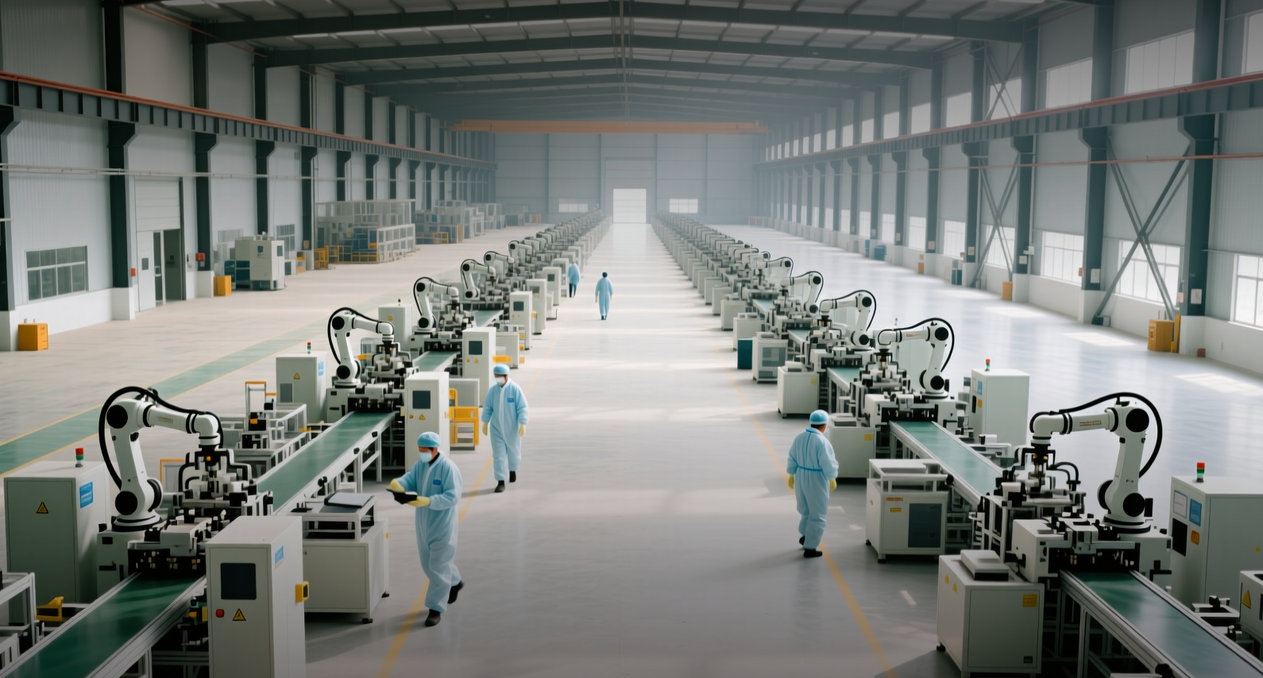
Apple is committing $60 billion to Texas manufacturing as part of a $600 billion, four-year U.S. supply chain program, a move to protect margins from tariff volatility weeks before John Ternus succeeds Tim Cook as CEO on Sept. 1.
"This marks our largest-ever American manufacturing program commitment," Cook said on Apple's fiscal Q3 earnings call. "It's also an important step forward in our work to build an end-to-end silicon supply chain here in the U.S."
The Houston facility, which opened its Advanced Manufacturing Center on Aug. 13, will begin producing the Mac mini this year and already ships advanced AI servers. Apple also signed a long-term agreement with Broadcom expected to exceed $30 billion for custom silicon and wireless components.
Apple's Q3 gross margin of 50.1 percent included 2 percentage points from tariff refunds, and diluted EPS grew 29 percent year over year to $2.02, including $0.11 from refunds. Management guided Q4 gross margin to 47 percent to 48 percent, including a one-point refund benefit, while describing the current memory price surge as a "100-year flood."
Tariff Insurance in Action
The Supreme Court ruled in February 2026 that certain tariffs were unlawful, triggering refunds Apple is reinvesting into the U.S. supply chain. But the ruling doesn't eliminate the risk of new tariffs under different statutes, which is why Cook accelerated domestic manufacturing.
The Houston build-out moved fast: Apple invested hundreds of millions of dollars in less than nine months, stood up a factory, and shipped the first advanced AI servers. "We are moving at an incredible pace because we want to build more than great products. We want to build the future of American manufacturing," Cook said at the center's opening.
The 20,000-square-foot Advanced Manufacturing Center offers free training to small- and medium-sized businesses, covering machine-learning-driven quality control and advanced automation. Curriculum topics range from classroom sessions on final assembly principles and printed circuit board design to interactive workshops using the site's production equipment. The center builds on the Apple Manufacturing Academy in Detroit, which has trained nearly 1,000 workers since opening in August 2025.
U.S. Secretary of Commerce Howard Lutnick called the opening "an important step in Apple delivering on its promise to bring its manufacturing back to America."
The domestic push distinguishes Apple from rivals such as Samsung, which continues to rely on Asian manufacturing hubs for most of its device production. Apple still won't assemble iPhones in the U.S. — the cost would force meaningfully higher prices — but shifting more of the supply chain to American sources helps the company manage future changes in trade policy.
What Ternus Inherits
The supply chain resilience gives Ternus, Apple's senior vice president of hardware engineering, more room to focus on product development. Analysts expect Apple to grow earnings at a low double-digit rate over the long term.
The near-term pressure point is memory costs. Management described the surge in memory pricing as a "100-year flood," which will pressure Q4 margins. But the domestic supply chain investments serve as long-term tariff insurance, helping keep earnings and margins more stable in the event of future policy changes.
Apple shares trade at $319.70 with a market cap of $4.6 trillion. The stock has delivered a 2,000%-plus return since Cook took over in 2011. Broadcom, Apple's silicon partner, trades at $368.79.
The investment also carries implications for the broader U.S. manufacturing sector. Apple's commitment to domestic production, combined with its training programs for small- and medium-sized businesses, could help build a more skilled American manufacturing workforce. The company's push into AI server production in Houston positions it to compete more directly in the data center infrastructure market, where demand for advanced computing capacity continues to grow.
This article is for informational purposes only and does not constitute investment advice.
