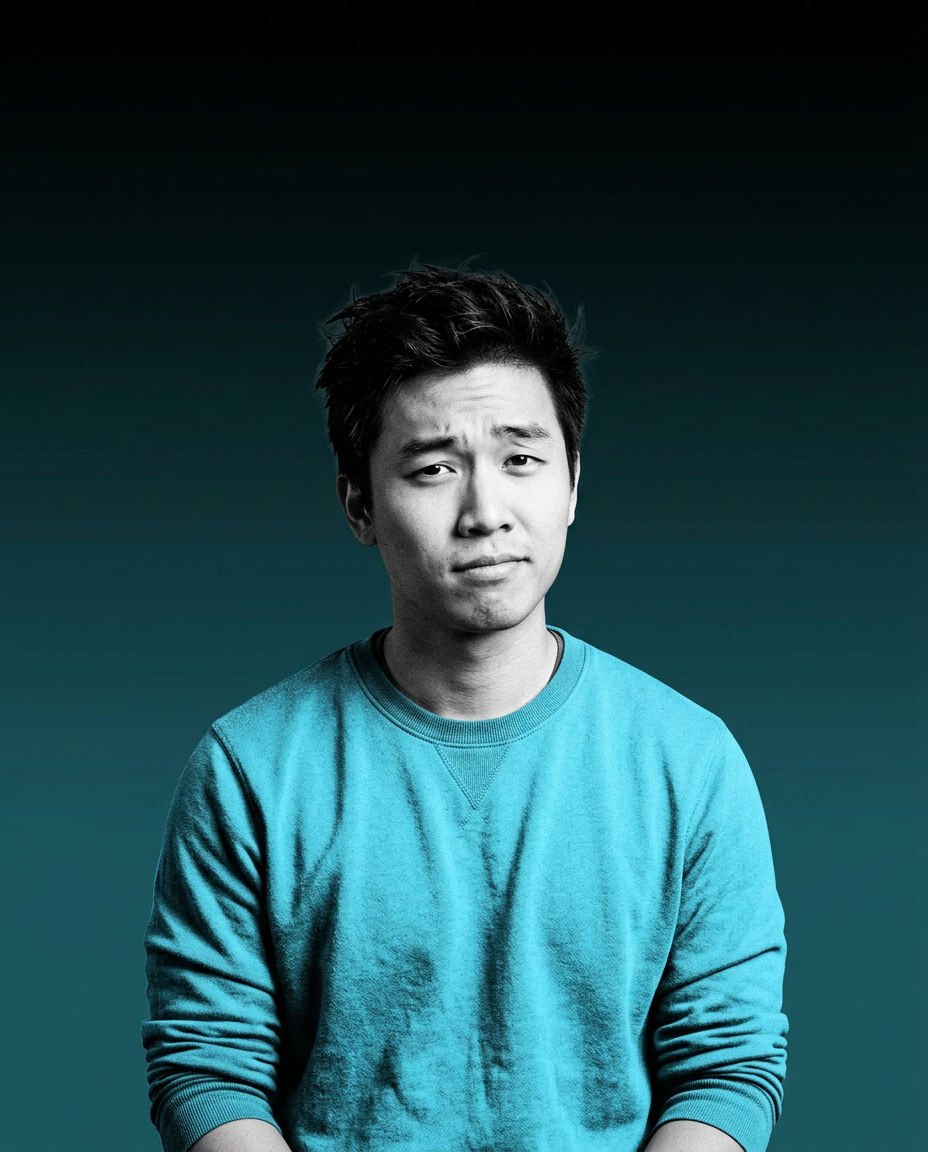
John Ternus inherits an Apple whose $416 billion revenue engine faces its biggest test yet: catching up in AI after abandoning in-house model development.
John Ternus inherits an Apple whose $416 billion revenue engine faces its biggest test yet: catching up in AI after abandoning in-house model development.
John Ternus becomes Apple's third CEO on Sept. 1, inheriting a $416 billion revenue machine whose AI strategy — now built on Google's Gemini after Apple abandoned in-house models — will define his tenure.
"He needs to oversee an AI comeback and decide how much of the technology should be built in-house," Bloomberg's Mark Gurman wrote, describing the incoming chief's mandate.
Ternus, a 25-year Apple hardware veteran, takes the helm eight days before the Sept. 9 iPhone event expected to debut the company's first foldable device. The new Siri AI, positioned as a ChatGPT rival, rolls out fully in September after Apple scrapped its own large-language-model effort and paid to license Gemini.
The transition carries direct investor stakes: Apple's market value grew roughly 15-fold under Tim Cook, who stays on as executive chairman handling relations with Washington and Beijing. Whether Ternus can extend that run hinges on the foldable iPhone and AI hardware bets landing as the company faces a talent exodus.
Apple's decision to license Google's Gemini rather than ship its own foundation model marks a strategic retreat. The move followed the departure of Apple's AI chief and a reorganization of the Siri team after the first Apple Intelligence release underperformed. Internal resentment ran deep: the head of Apple's large-language-model group and several core members quit for better-paying rivals after the pivot.
The stakes are commercial, not just technical. Apple's long-term plan is to charge users or developers for Siri AI, or monetize through third-party app integration. That model only works if Siri wins back user trust — a tall order for an assistant that has trailed Amazon's Alexa and Google Assistant for years. Apple's Services business, worth more than $100 billion annually, is the natural home for that revenue, but growth there has slowed.
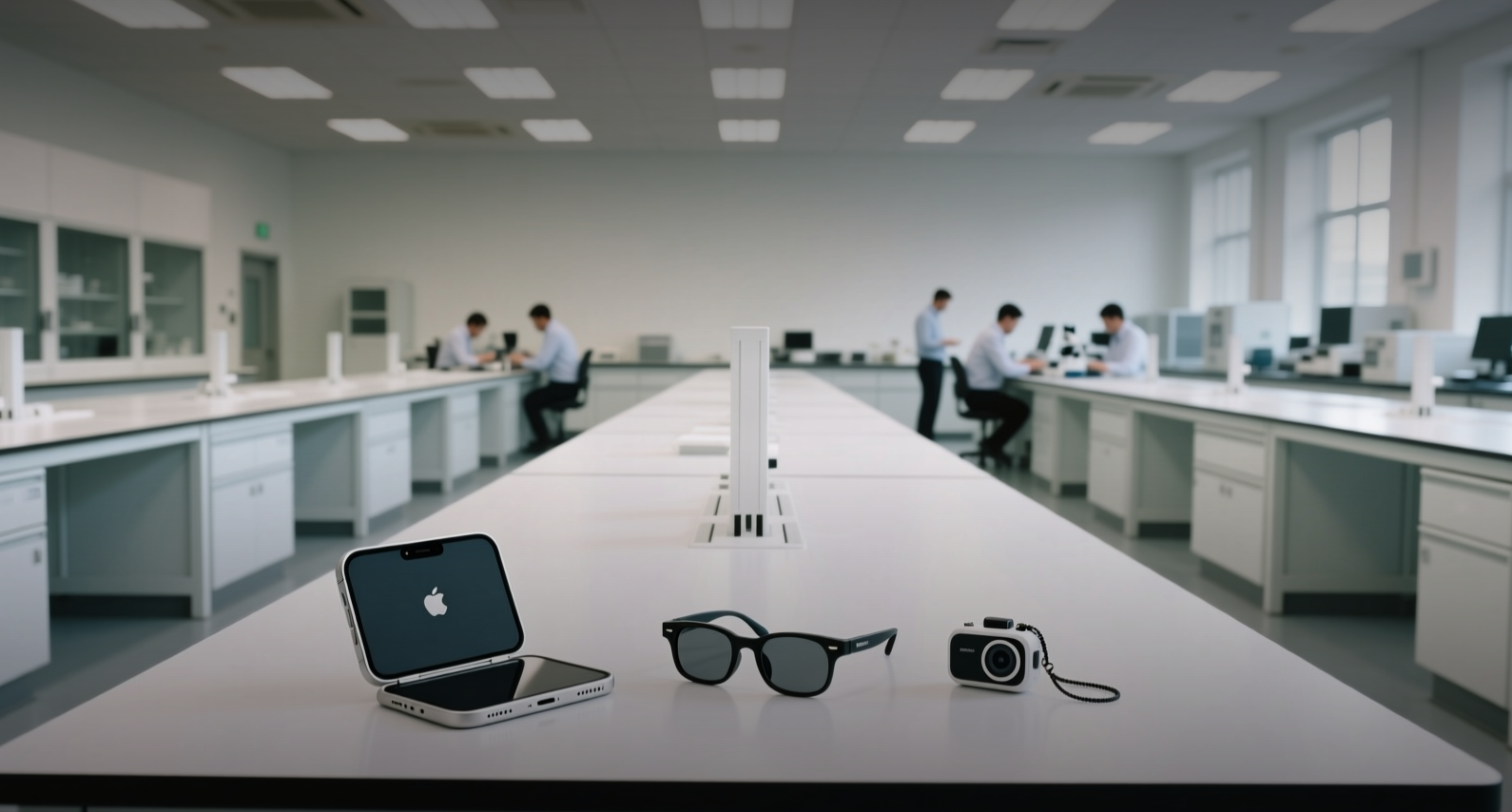
Ternus, who rose from Mac engineer to run all of Apple's hardware engineering, has an unusually ambitious product slate. This fall brings the first foldable iPhone — a device that folds to roughly 5.5 inches and opens to about 7.8 inches, near iPad mini proportions — plus a smart display that recognizes speakers and personalizes content. Later come AirPods with cameras, smart glasses, a home security system, a robotic-arm display, and a wearable camera pendant.
The foldable is the commercial linchpin. Samsung has spent years building the category; Apple enters at the premium end. The question is whether Apple can make foldables mainstream as overall smartphone shipments decline. Ternus has also cooled on the Vision Pro, the mixed-reality headset Cook championed, calling it too bulky and expensive for the mainstream. He has cut Vision Pro team staff and backs the N50 smart glasses project instead, though he would shrink the category if head-worn devices fail to catch on.
Apple's pull as a destination for top hardware engineers is fading. Hundreds of former Apple employees now work in OpenAI's hardware division, and Apple has sued OpenAI alleging trade-secret theft — a case Ternus approved. He has handed iPhone design staff tens of thousands of dollars in retention bonuses and personally intervened to keep engineers, including one Singapore-based designer who still left for OpenAI.
The risk runs to the top. Roughly half of Apple's executive team may depart within a few years, according to people familiar with the matter. Chief Hardware Officer Johny Srouji, 61, told Cook last year he wanted to leave; he stayed after being given broader duties and a role in the CEO handover, but may still exit within a year or two. Marketing, services, and retail chiefs, each with about four decades at Apple, could retire soon.
For investors, the September event is the first read on whether Ternus can do what Cook could not: create a new premium product category rather than refine an existing one. Apple's latest quarter delivered $109.4 billion in revenue, and the company counts more than 2.5 billion active devices. But the stock's next leg depends on the foldable selling and Siri AI converting users into paying customers — two outcomes that remain unproven as Ternus takes the stage.
This article is for informational purposes only and does not constitute investment advice.
