

ASML is pushing for higher EUV lithography prices just as its largest customer, TSMC, pushes back — setting up a clash over who bears the cost of the next chip-making leap.
ASML is pushing for higher EUV lithography prices just as its largest customer, TSMC, pushes back — setting up a clash over who bears the cost of the next chip-making leap.
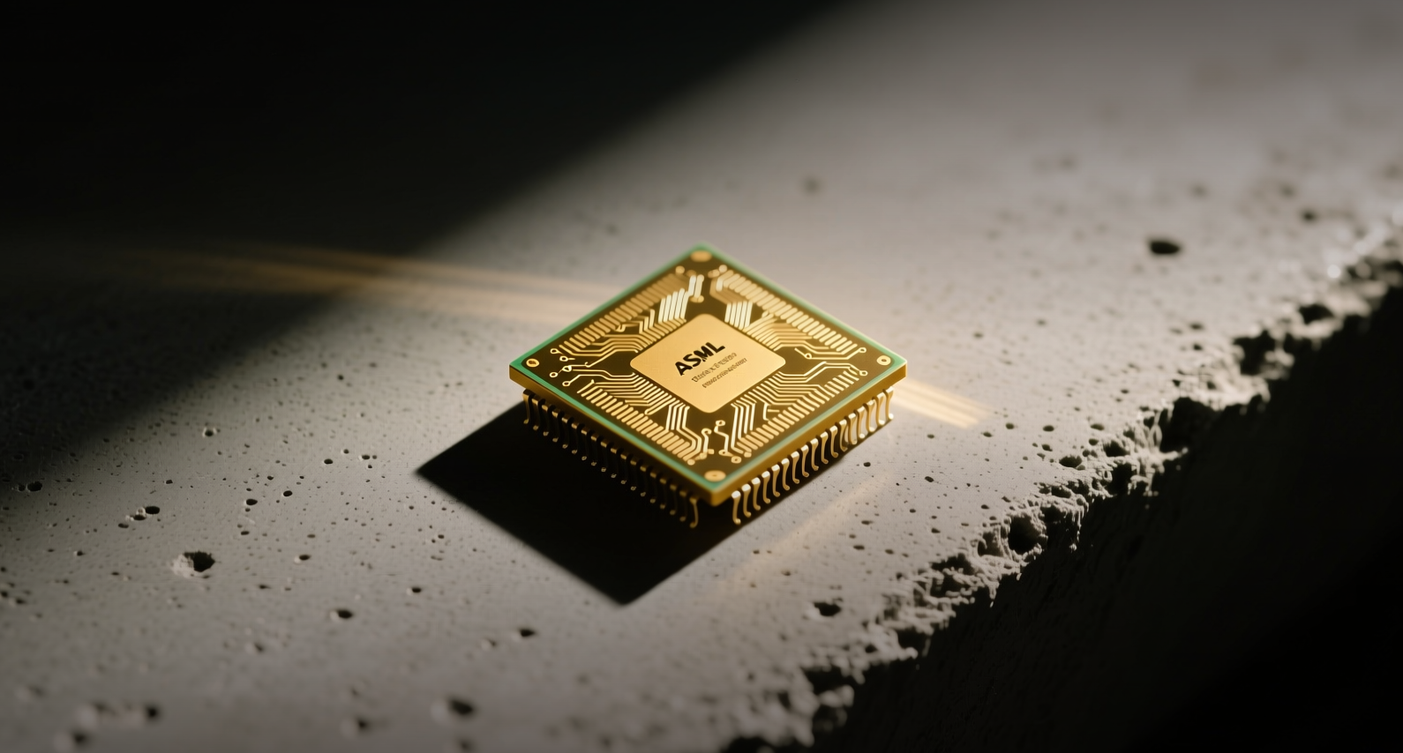
ASML is pushing for higher EUV lithography prices just as its largest customer, TSMC, pushes back — setting up a clash over who bears the cost of the next chip-making leap.
ASML Holding NV plans to raise prices on its extreme ultraviolet lithography machines, betting that surging AI-driven demand gives it pricing power, even as top customer Taiwan Semiconductor Manufacturing Co. resists the increase.
"We continue to improve production efficiency for Low NA EUV systems, which provides considerable room for future price adjustments," ASML Chief Financial Officer Roger Dassen said on a Wednesday earnings call, though he cautioned the changes would not take effect immediately given long order lead times.
The Dutch equipment maker raised its full-year 2026 sales forecast for the second time this year, now expecting net sales of €43 billion to €45 billion ($49.2 billion to $51.5 billion), above analyst consensus. RBC Capital Markets analyst Srini Pajjuri wrote in a report Monday that strong performance from ASML's key customers — including TSMC, Samsung Electronics Co. and SK Hynix Inc. — has created conditions that "support price increases."
The pricing dispute comes as ASML's most advanced tool, the High NA EUV lithography system, enters commercial production. TSMC has said the machines cost more than €350 million ($410 million) each, deeming them too expensive for mass production and limiting their use to research and development. Intel Corp., by contrast, has already deployed High NA EUV on its Intel 18A process node to manufacture a subset of its Core Ultra Series 3 processors, ASML confirmed Wednesday — a milestone Chief Executive Christophe Fouquet called evidence of commercial viability.
The divergent strategies of ASML's two biggest customers highlight the stakes. Intel's early adoption of High NA EUV — the first chipmaker to use the next-generation tool for actual production — gives it a potential edge in shrinking transistor dimensions on the 18A node (equivalent to roughly 1.8 nanometers). TSMC, which dominates advanced chip manufacturing with an estimated 62% market share, has taken a more cautious approach, arguing the technology needs further cost reductions before it makes economic sense for high-volume manufacturing.
The price gap is stark. ASML's current Low NA EUV systems sell for roughly €180 million each, while the High NA version costs nearly double that. A single High NA tool can process about 150 wafers per hour, compared with roughly 200 for Low NA, meaning chipmakers must weigh higher per-machine costs against the ability to print smaller, more power-efficient transistors needed for AI accelerators and next-generation processors.
ASML's raised guidance reflects an industry racing to meet AI infrastructure demand. The company now expects 2026 net sales of €43 billion to €45 billion, up from its prior forecast, driven by orders from chipmakers expanding capacity for Nvidia Corp.'s AI processors and other high-performance computing chips. ASML is the sole supplier of EUV lithography systems, giving it near-monopoly pricing power in the most critical step of advanced chip production.
For TSMC and other foundry customers, higher equipment costs could pressure gross margins, which TSMC has targeted at 53% or higher for 2026. The Taiwanese chipmaker's opposition to ASML's price increase suggests it will push for volume discounts or longer payment terms before committing to High NA EUV purchases at scale. Samsung and SK Hynix, both expanding memory chip capacity for AI applications, face similar cost calculations.
ASML shares fell 0.41% on Wednesday, reflecting the near-term uncertainty around pricing negotiations. The company trades at roughly 35 times forward earnings, a premium reflecting its monopoly position in EUV lithography. For investors, the key question is whether ASML can translate AI-driven order momentum into higher margins — or whether customer pushback will cap the pricing upside. Morgan Stanley and RBC Capital have maintained overweight ratings on ASML, with price targets implying 15% to 20% upside from current levels near $1,815.
This article is for informational purposes only and does not constitute investment advice.
