
Only about 30 million barrels of Iranian crude remain floating, Treasury Secretary Scott Bessent said, a sign sanctions enforcement is draining Tehran's export buffer.
Only about 30 million barrels of Iranian crude remain floating, Treasury Secretary Scott Bessent said, a sign sanctions enforcement is draining Tehran's export buffer.
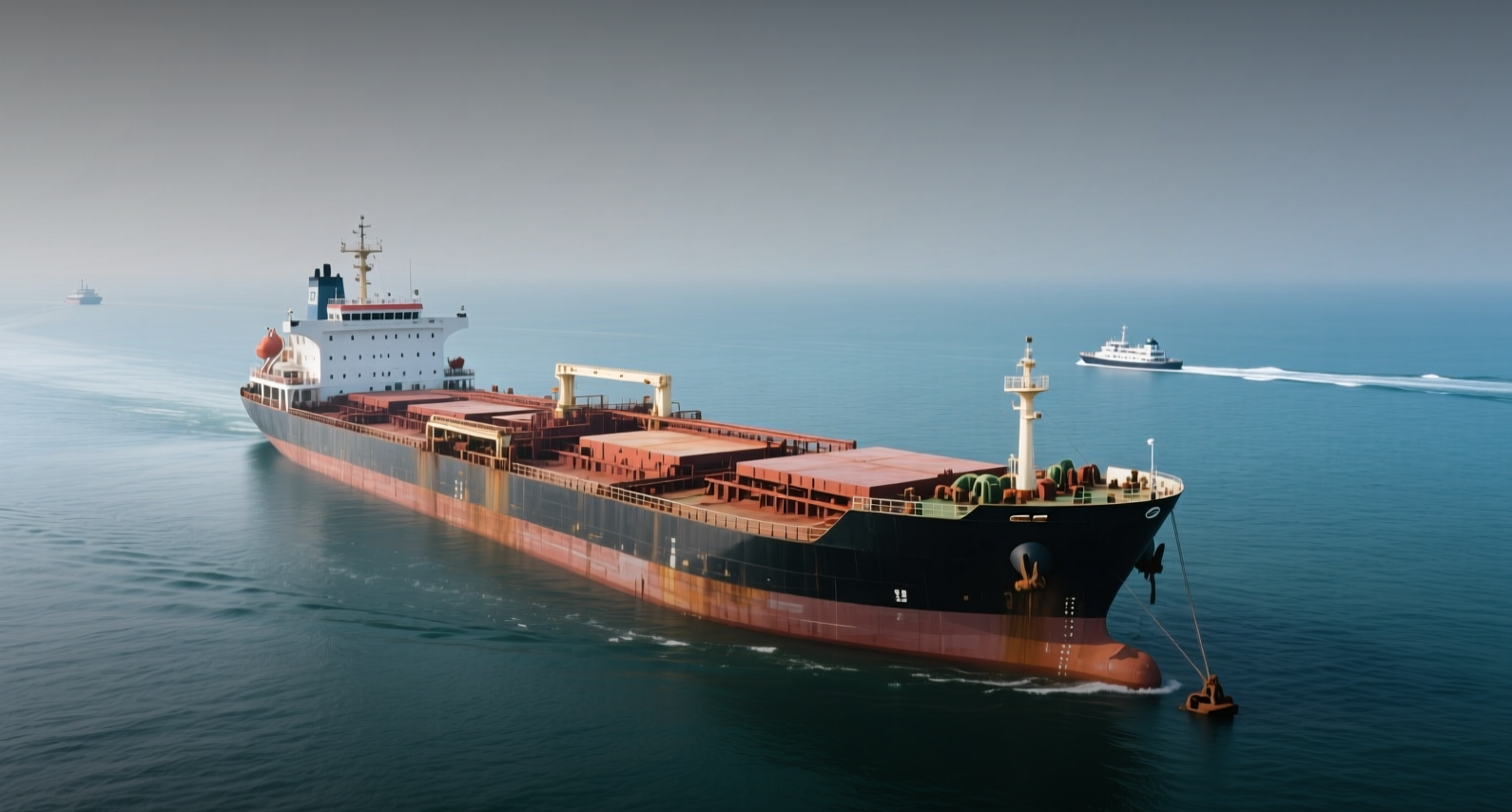
Only about 30 million barrels of Iranian oil remain floating on the water, Treasury Secretary Scott Bessent said, a sign that sanctions enforcement has cut Tehran's export buffer to a fraction of its pre-war level and tightened global crude supply.
Kpler estimates 40 million to 50 million barrels of Iranian oil remain on the water in Asia, down from an earlier estimate of around 80 million barrels, Homayoun Falakshahi, head of crude oil analysis at Kpler, told Iran International.
China is discharging Iranian crude at close to one million barrels a day, Falakshahi said, leaving the remaining stockpile to unload over roughly 50 days. Iran loaded about 260,000 barrels a day for export in August, down more than 80 percent from 1.7 million barrels a day a year earlier, Kpler data show.
If the maritime blockade holds, Iran's oil revenues could fall to zero within three to four months, Falakshahi estimated. Brent crude gained $2.11, or 2.4 percent, to $90.20 a barrel Monday, while West Texas Intermediate rose $1.89, or 2.3 percent, to $85.30, as fresh U.S. strikes on Iranian territory revived supply-risk fears.
From Tankers to Banks
The floating-stockpile figure is the latest marker of how Washington's economic campaign has tightened around Tehran. Operation Economic Outcast, launched Aug. 24, pairs the naval blockade with financial pressure on the foreign banks that let Iran convert oil revenue into usable currency. On Friday, the Treasury's Financial Crimes Enforcement Network proposed cutting Banque Misr's UAE branches off from U.S. correspondent banking, saying they processed about $1.8 billion for 103 companies tied to Iranian shadow-banking networks.
The supply math is tightening even as other Gulf producers recover. Goldman Sachs said oil flows through the Strait of Hormuz have recovered to around two-thirds of pre-war levels, or 15 million to 16 million barrels a day, still 7 million to 8 million barrels below normal. JPMorgan estimates each additional month of disruption could add $7 to $8 a barrel to Brent, with average monthly prices near $114 if the standoff runs three months.
The Revenue Cliff
The lag between the collapse in fresh exports and the loss of revenue gives Tehran a window. Chinese buyers generally have one to two months to pay Iranian sellers, Falakshahi said, and Iran's petroleum ministry said it has transferred $7.5 billion in oil-sale proceeds to the central bank over four months, enough to cover foreign-currency spending through early January 2027. But with China buying effectively all of Iran's crude and condensate exports, and 90 percent to 95 percent of its petroleum exports including products, the buffer is finite.
Iranian leaders are acknowledging the strain. President Masoud Pezeshkian said foreign trade has fallen 25 percent to 35 percent under sanctions and the blockade, while annual inflation hit 66 percent last month. Supreme Leader Mojtaba Khamenei called on the government to address "the chain of economic and livelihood challenges," including inflation and unemployment.
For global markets, the question is how long the supply gap persists. Goldman's base case assumes tensions ease, with Brent averaging $80 a barrel in the fourth quarter and $75 next year, but the bank warns prices could reach $120 if Hormuz disruptions outlast expectations. The last time Iranian exports collapsed this sharply, in the 2018-19 sanctions round, Brent fell from about $86 in October 2018 to near $50 by year-end as other producers filled the gap — a precedent that now hinges on whether Saudi spare capacity can offset a tighter Iranian shortfall.
This article is for informational purposes only and does not constitute investment advice.
