
Key Takeaways: Treasury Secretary Scott Bessent's plan to tame US borrowing costs is colliding with a bond market demanding higher yields on $40 trillion of federal debt.
Key Takeaways: Treasury Secretary Scott Bessent's plan to tame US borrowing costs is colliding with a bond market demanding higher yields on $40 trillion of federal debt.
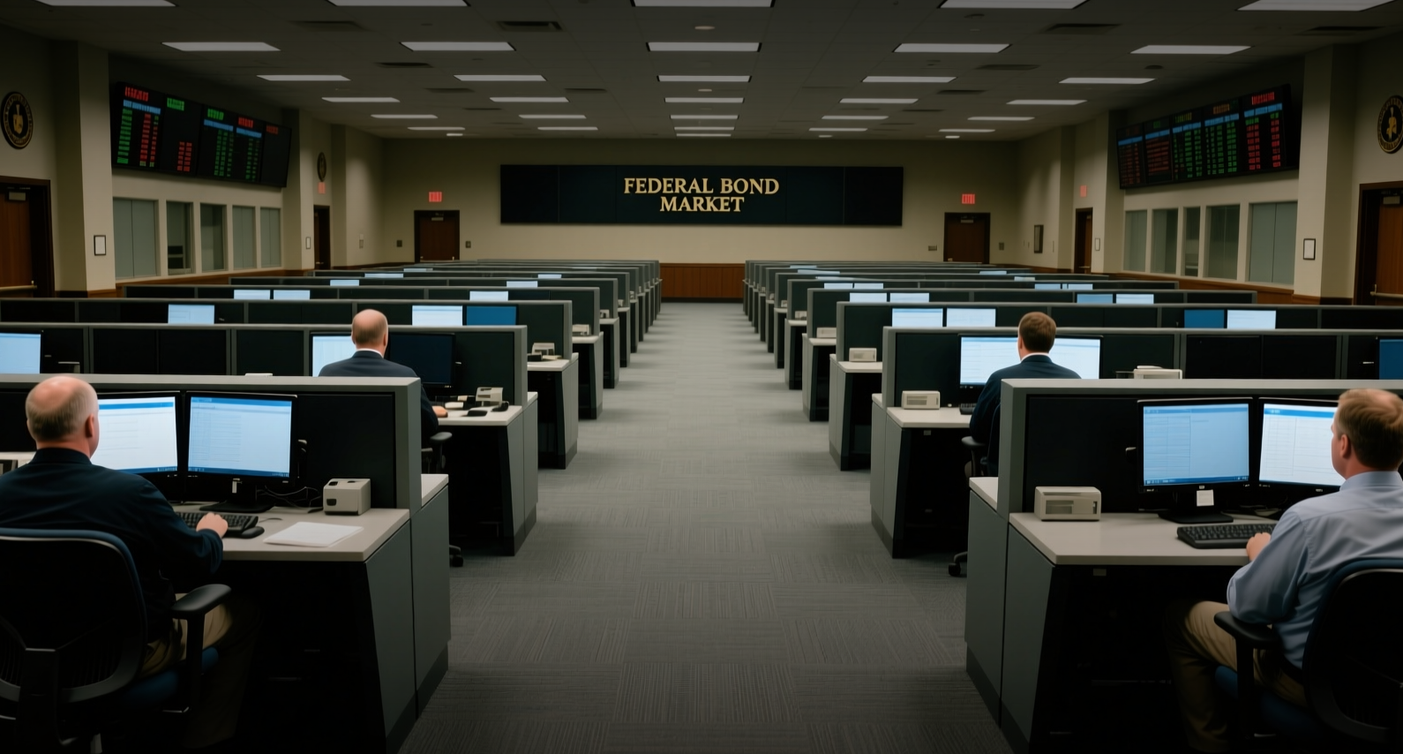
Treasury Secretary Scott Bessent's plan to tame US borrowing costs is colliding with a bond market demanding higher yields on $40 trillion of federal debt.
Treasury Secretary Scott Bessent's plan to tame US borrowing costs is running into a brick wall, with the 10-year yield near 4.7 percent and the 30-year at a 19-year high as investors demand more compensation for $40 trillion of debt.
"Warsh is saying the Fed needs to speak less so that the price signals from the bond market are cleaner, and then Bessent wants to distort those signals by intervening. It makes no sense," said Erik Bregar, director of FX and precious metals risk management at Silver Gold Bull in Toronto.
The Treasury said Aug. 19 it would at least double scheduled long-duration bond repurchases to $4 billion, and reports suggest it may tap the $950 billion General Account for more aggressive buybacks. The 2-year yield rose 6.6 basis points to 4.29 percent, its highest in a month, while the 10-year held at 4.68 percent and the 30-year eased to 5.17 percent. CME FedWatch data show a 55.5 percent probability of a September rate hike, up from 35.4 percent a day earlier.
The standoff matters because higher long-term yields translate into costlier corporate borrowing and mortgages, while the Fed's "higher-for-longer" stance keeps pressure on growth stocks. If inflation stays sticky, Fed Chair Kevin Warsh may be forced to hike in September — a move that would deepen the rift with the White House, which has pushed for lower rates.
Why the buyback plan is failing
Three structural forces are working against Bessent's intervention. First, inflation remains entrenched: the annual rate hit a three-year high of 4.2 percent in May, and 54 percent of goods and services in the PCE basket showed price increases above 3 percent over the past 12 months, Warsh said in his Jackson Hole speech Friday. When inflation runs well above the Fed's 2 percent target, bond investors demand higher yields to offset the erosion of purchasing power.
Second, Warsh's removal of forward-looking guidance from FOMC statements has made the bond market more volatile. Without the Fed's traditional guidance, traders react to each data release, widening swings at the long end of the curve. The last time the Fed withheld such guidance was in the early 2000s, a period marked by sharp yield swings as markets groped for direction.
Third, the debt burden itself is the biggest obstacle. US total debt surpassed $40 trillion on Aug. 19, and the federal government has run a deficit every year since 1970 except four under Bill Clinton. Annual shortfalls have ranged from $1.37 trillion to $3.1 trillion over the past six years, pushing long-duration yields higher as investors demand a juicier premium for the growing risk of unsustainable borrowing.
The cross-asset fallout
The bond market's resistance is rippling across asset classes. The dollar index edged up 0.05 percent to 99.18, while the euro slipped 0.03 percent to $1.1646. Sterling softened 0.06 percent to $1.3585 as investors pared expectations for a Bank of England rate hike this year. Gold prices hit their highest level in more than three months as the Middle East conflict and political uncertainty fueled a rally.
Equities have absorbed the shock unevenly. The Dow Jones Industrial Average rose 153 points to 53,722 on Friday, while the S&P 500 was flat and the tech-heavy Nasdaq slipped 0.1 percent. Growth stocks remain the most exposed: higher discount rates compress the present value of distant earnings, hitting high-multiple technology names hardest. Financials, by contrast, benefit from wider net interest margins.
The next test comes Sept. 16-17, when the FOMC meets. If the August jobs report and inflation data show continued stickiness, Warsh's hawkish Jackson Hole tone — "we must be confident that underlying inflation is moving to our objective, clearly and at sufficient speed. Otherwise, we have work to do" — points to a hike. If data soften, he may hold to buy peace with the administration through the election. Either way, Bessent's buyback program looks unlikely to move yields on its own.
This article is for informational purposes only and does not constitute investment advice.
