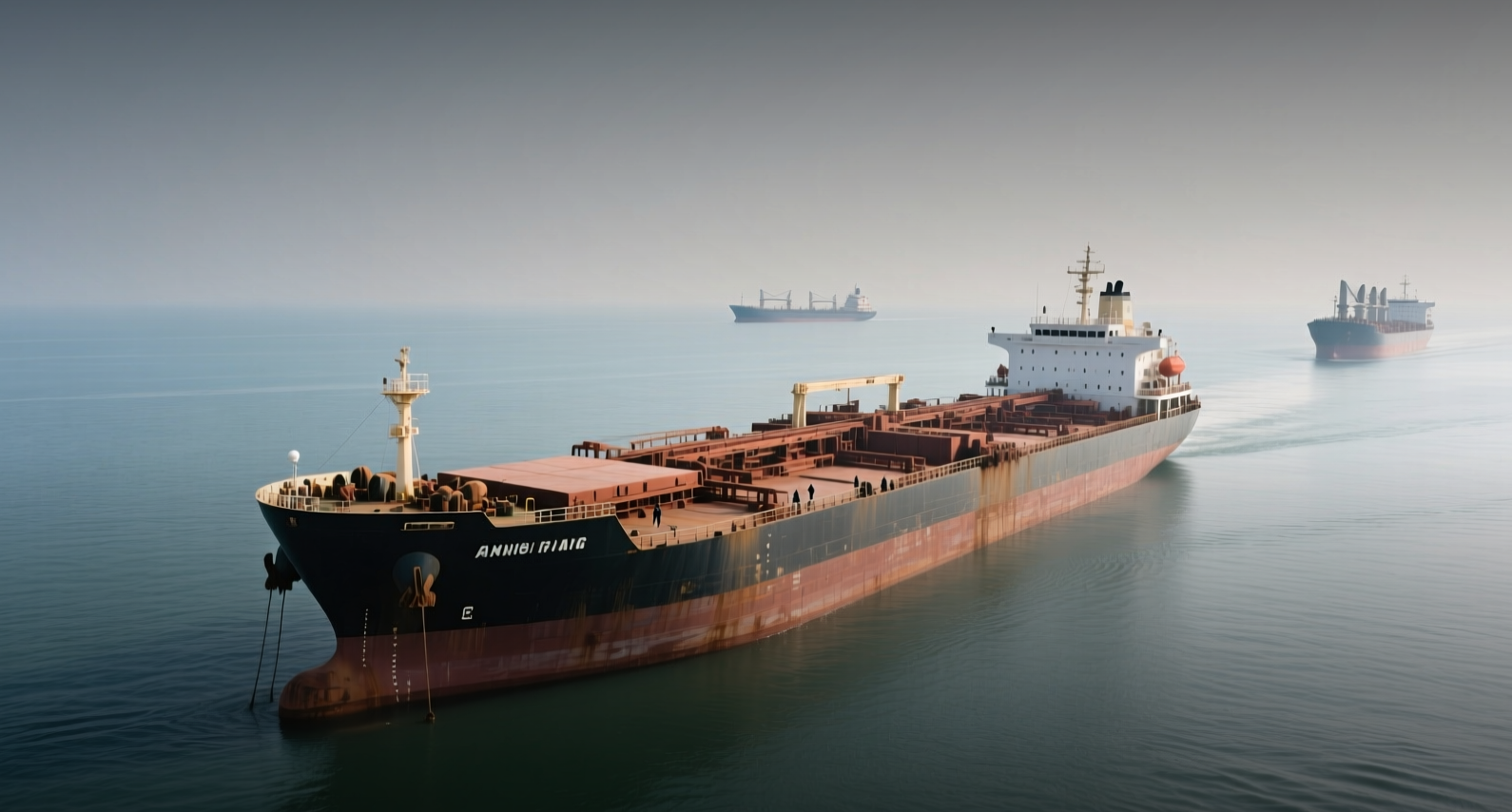
The S&P 500 fell 0.3% Wednesday as Brent crude topped $100 a barrel for the first time since July 24, with escalating Middle East attacks threatening oil shipments through the Strait of Hormuz.
"Recent developments only reinforce the view that we're still some way from a restart in talks, and the absence of a credible path back to negotiations is likely to keep a sizable geopolitical risk premium in prices," Warren Patterson, head of commodities strategy at ING, said in a note.
The Dow Jones Industrial Average lost 320 points, or 0.6%, while the Nasdaq composite slipped 0.5%. Front-month Brent for November delivery climbed 3.3% to $101.13 a barrel, and benchmark U.S. crude gained 2.4% to $95.28. The average price for a gallon of regular gasoline ticked up 7 cents overnight to $4.22, more than a dollar above a year earlier, while diesel reached an all-time high of $5.94 a gallon, according to AAA. Treasury yields held relatively steady in the bond market.
The oil surge lands days before Friday's Consumer Price Index report, which economists expect to show inflation easing to 3.3% from July's 3.4% — still well above the Federal Reserve's 2% target as the central bank meets next week. Traffic through the Strait of Hormuz has fallen to about 1 million barrels a day this week from roughly 8 million in late August, according to Rystad Energy, tightening the supply picture that underpins the risk premium.
The selloff tracked a broader de-risking across global markets. France's CAC 40 slipped 1.6% to 8,183.80, Germany's DAX declined 1.4% to 25,648.34, and Britain's FTSE 100 fell 0.9% to 10,711.42, while Asian markets were mixed. The dollar weakened to 153.55 yen from 153.99, and the euro inched up to $1.1633.
Energy-linked assets gained as crude climbed. The State Street Energy Select Sector SPDR ETF rose 0.85%, and oil funds including the United States Oil Fund advanced more than 2%. Meta Platforms jumped more than 5% in premarket trading after the parent of Instagram and Facebook launched Muse, a personal artificial intelligence agent for scheduling and shopping tasks.
The resilience that had kept oil markets stable — inventories, alternative export routes and shifts in Chinese buying — is becoming a growing risk as stockpiles are depleted, said Claudio Galimberti, chief economist at Rystad Energy. The key question is whether attacks on tankers curb ship-to-ship transfers in the Gulf of Oman that have supplied global markets and kept a lid on prices, according to Hamad Hussain of Capital Economics.
With the Fed's decision due next week and Japan's central bank also meeting, Friday's inflation print will shape whether the oil-driven cost shock forces a more hawkish response. A hot CPI reading would compound the margin pressure that higher energy prices already place on companies, potentially extending the equity selloff into next week.
This article is for informational purposes only and does not constitute investment advice.