
Ottawa's counter-duties on US goods went live Tuesday, escalating the North American trade dispute as Prime Minister Mark Carney urged Canadians to brace for a prolonged standoff with Washington.
Ottawa's counter-duties on US goods went live Tuesday, escalating the North American trade dispute as Prime Minister Mark Carney urged Canadians to brace for a prolonged standoff with Washington.
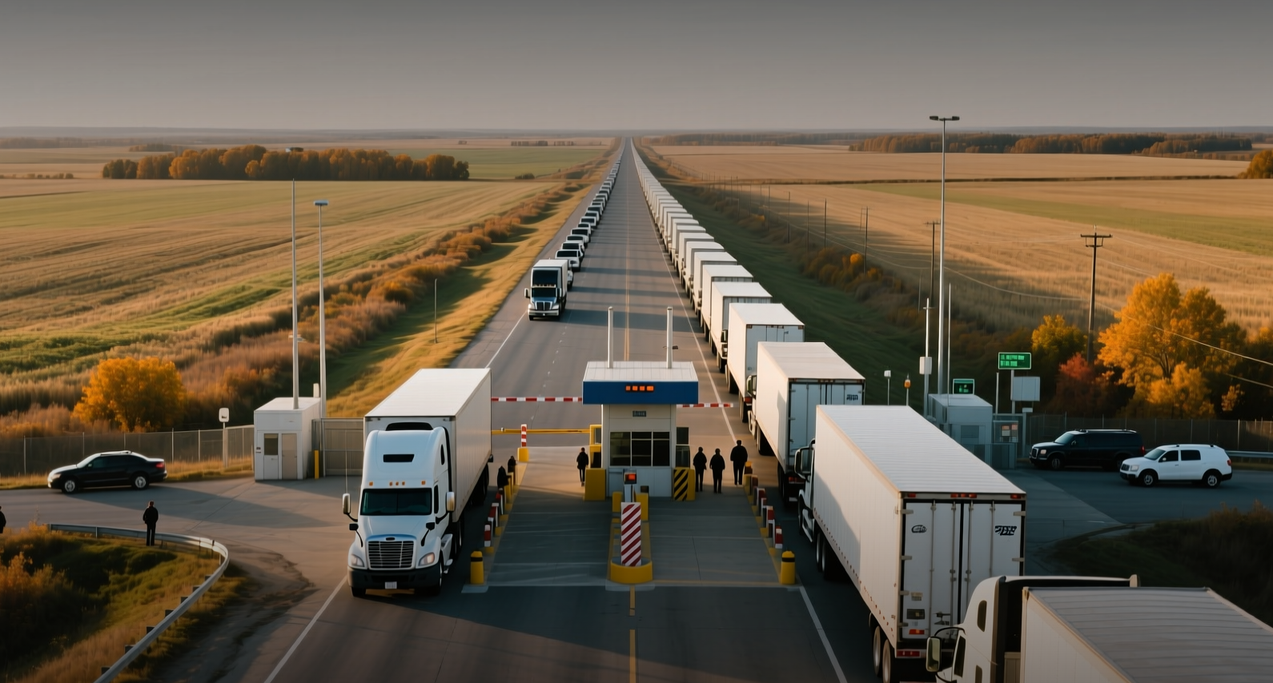
Canada's dollar-for-dollar retaliation on $20 billion of US imports took effect at 12:01 a.m. ET Tuesday, matching Washington's 50 percent duties and locking the two economies into a trade conflict with no scheduled exit. The counter-tariffs, ranging from 15 percent to 50 percent, mark the first time Ottawa has matched US levies measure-for-measure since the dispute began in July.
"Canada will match Washington's new tariffs dollar for dollar in order to protect Canadian workers, farmers, families, and businesses," Prime Minister Mark Carney told reporters in late August, after suspending trade negotiations with the United States.
The duties hit steel, aluminum, household appliances, agricultural equipment, dairy and pulp and paper across more than 700 products, with fish and seafood removed from the list to shield domestic producers. Ottawa paired the measures with a $5.42 billion support package for affected small and medium-sized businesses and workers. The Kiel Institute for the World Economy estimates US importers and consumers absorb 96 percent of the tariff burden, a cost that could push up prices on roughly 550 consumer goods from Canada.
The escalation threatens the most integrated bilateral trade relationship in the world. Canada is the largest buyer of US-manufactured cars, and Michigan alone absorbed $23 billion of Canadian-bound goods in 2025, making it the state's top export market. US automakers and aerospace suppliers that depend on frictionless cross-border supply chains now face restructuring procurement pipelines that took decades to build.
Carney's national video address Tuesday, delivered hours after the tariffs took effect, signaled Ottawa expects the standoff to persist. Using an ice-hockey metaphor, he urged Canadians to buy domestic goods and travel within the country, framing the conflict as a test of national unity. "Every time we choose to buy Canadian goods, travel in Canada, we send a signal — in this country, no one is in the stands; all 40 million Canadians are on the ice," he said.
The White House has shown no appetite for de-escalation. President Donald Trump, who imposed the 50 percent duties in July citing "discriminatory treatment" of US products, threatened Sunday to block Bombardier from selling planes in the US unless the manufacturer builds them there. He has also signed an order renaming Lake Ontario "Lake America" for federal use, and Treasury Secretary Scott Bessent has publicly mocked Canada's military capacity.
The last comparable rupture came in 2018, when Trump's steel and aluminum tariffs drew Canadian retaliation that remained in place for over a year before the USMCA replaced NAFTA. That episode cut bilateral trade flows by roughly $3 billion in the first months, according to trade data, before a deal was reached. Analysts see a longer road this time, given the collapse of August negotiations and the absence of any scheduled bilateral meetings.
For markets, the risk concentrates in trade-sensitive equities on both sides of the border. Canadian exporters in autos, lumber, agriculture and energy face higher input costs and weaker demand, while US companies with heavy Canadian revenue exposure — particularly automakers and agricultural-equipment makers — confront margin pressure. The Canadian dollar has come under downward pressure as the conflict lengthens, and economists warn the retaliatory measures will inject billions of dollars in added costs into the domestic economy, marginally elevating consumer-price inflation.
The path forward remains unclear. Canadian officials confirm no bilateral meetings are scheduled, leaving businesses in suspended animation. If the tariffs harden into permanent structural barriers, the temporary measures could permanently rewire North American supply chains — a scenario that would raise costs for consumers on both sides of the border well beyond the $20 billion now in dispute.
This article is for informational purposes only and does not constitute investment advice.
