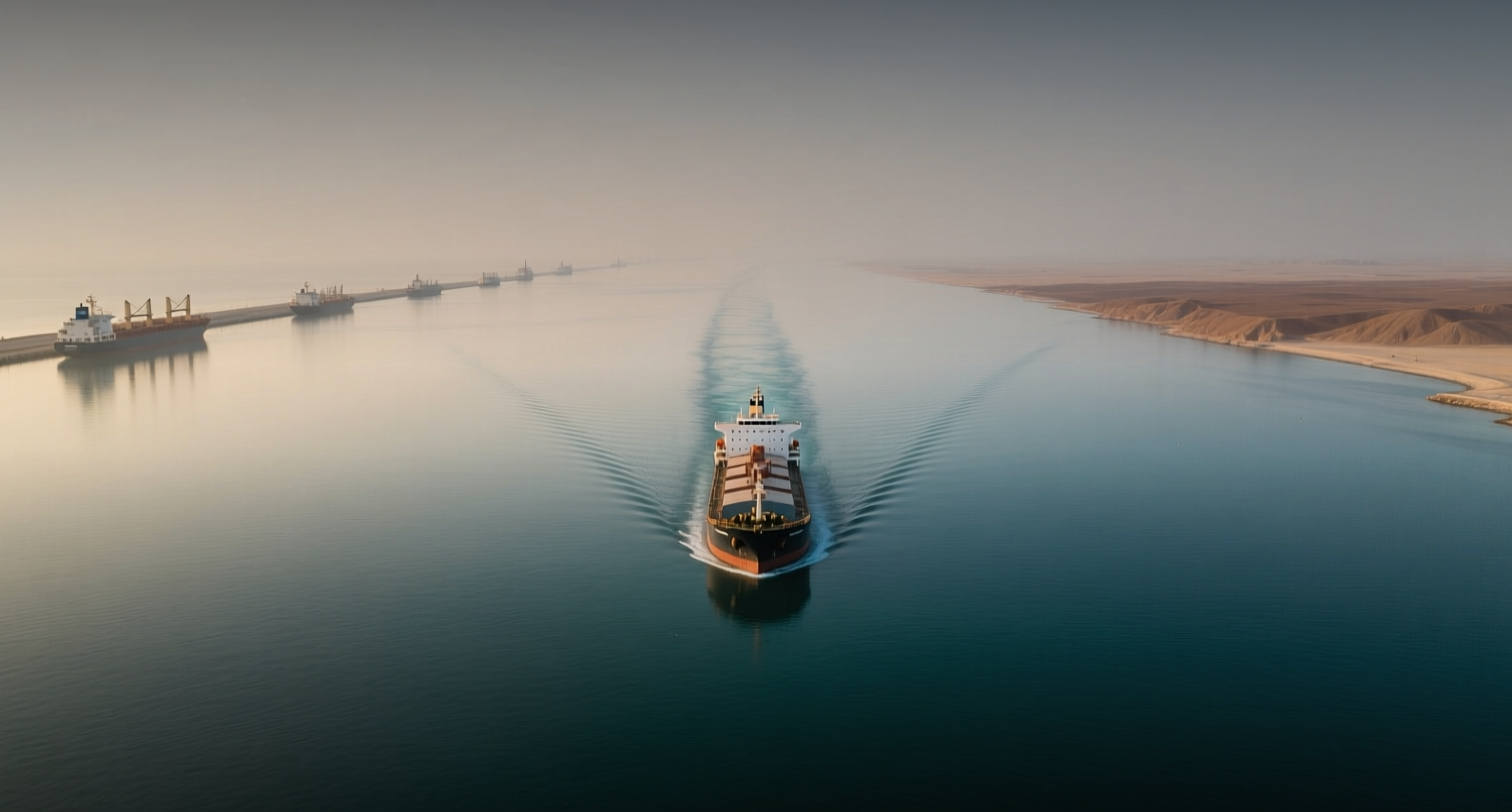
European natural gas prices could more than double to exceed 100 euros a megawatt-hour this winter if Qatari LNG exports through the Strait of Hormuz stay constrained, Goldman Sachs warns.
European benchmark gas futures climbed to 67 euros a megawatt-hour Monday morning, the highest since early 2023, as low storage and constrained Qatari LNG shipments tighten the market before the Northern Hemisphere winter.
"In the absence of an improvement in LNG exports through the Strait of Hormuz, European gas prices would need to rise to discourage Asia LNG demand, thereby freeing incremental cargoes to be sent to Europe to help manage European gas storage levels," said Samantha Dart, co-head of global commodity research at Goldman Sachs.
European gas storage stands at 61.68 percent, well below the 15-year seasonal average of 72.5 percent, with August injections widening the miss against expectations. Dutch front-month futures, the continent's benchmark, have eased 7 percent this week to around 54 euros a megawatt-hour, but remain elevated after Qatar's LNG facilities were damaged by Iranian attacks. July LNG imports into northwest Europe fell short of expectations, leaving end-month inventories near 43 percent and adding to the pressure to refill before winter.
The stakes are steep. In the most alarming scenario, where Persian Gulf energy exports recover only gradually through 2027, Goldman estimates December 2026 TTF may need to exceed 100 euros a megawatt-hour — more than double the previous 50-euro base case — while Asian JKM prices could approach $35 per million British thermal units. "Because LNG prices have only been this high once, during the 2022 European energy crisis, our conviction in the scale of demand response at such price levels is low, and we would see it more as a price-discovery process," Dart said.
Hormuz Flows Are the Swing Variable
Whether LNG traffic through the Strait of Hormuz recovers is the core variable determining European prices this winter. Qatar, which until recently supplied about 17 percent of global LNG, has become an unreliable source after Iran's attacks damaged its facilities, forcing Europe to compete more aggressively with Asia for available cargoes.
There are early signs of easing. TotalEnergies' chief executive said Monday that crude is moving through the critical waterway "very quietly," and the newly opened, US military-supervised shipping corridor off Oman has seen a 400 percent surge in commercial transits. Treasury Secretary Scott Bessent has announced what he called the "single greatest financial offensive ever marshaled against an adversary" targeting Iran.
Yet the pressure extends beyond gas. Europe faces a parallel diesel crunch, with refining capacity constrained and product inventories thin. The last time TTF traded above 100 euros was during the 2022 energy crisis, when the loss of Russian pipeline gas sent prices to record levels and forced governments across the bloc to roll out emergency support packages.
What Happens Next
Goldman's scenarios hinge on the pace of Hormuz recovery. If exports resume smoothly, TTF could fall back to around 40 euros a megawatt-hour, roughly 20 percent below the original forecast. If they recover slowly, prices may rise above 100 euros in December, about 110 percent above the 50-euro baseline.
For European utilities, manufacturers, and households, the outcome determines heating costs and industrial competitiveness through the winter. Energy-intensive sectors face margin pressure if prices hold near current levels, while higher energy costs could feed into inflation expectations and complicate European Central Bank policy decisions. The market will watch weekly storage injections and Hormuz shipping data for the first signal of which path prices take.
This article is for informational purposes only and does not constitute investment advice.