
Iran's missile strike on Jordan's Al-Azraq Air Base marks a sharp escalation in the Middle East conflict, pushing WTI crude toward $92 a barrel.
Iran's missile strike on Jordan's Al-Azraq Air Base marks a sharp escalation in the Middle East conflict, pushing WTI crude toward $92 a barrel.
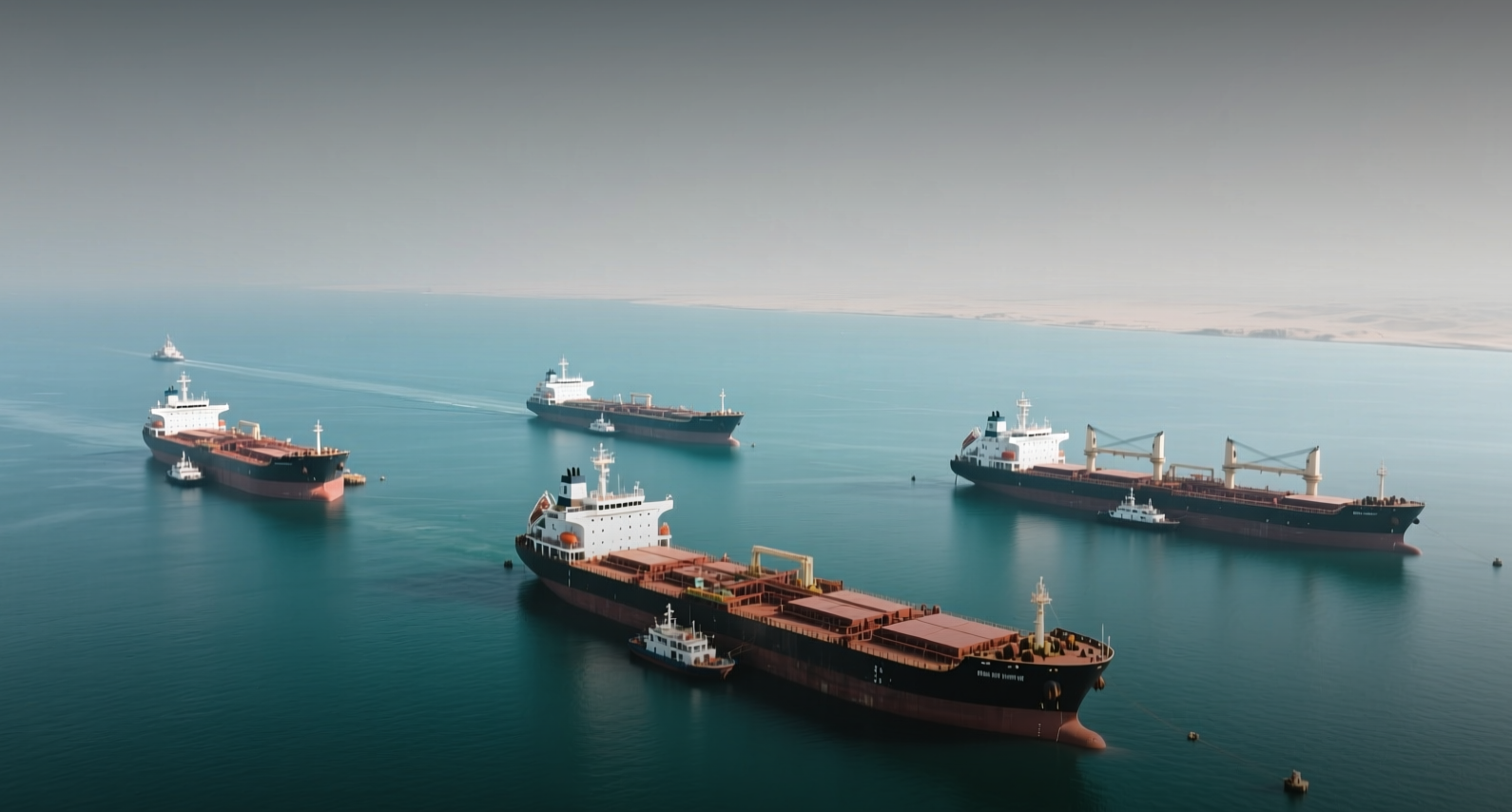
Iran launched missiles at Jordan's Al-Azraq Air Base, a facility hosting US military assets, in the latest escalation of a conflict that has already lifted WTI crude to about $92 a barrel. The strike, reported by Iran's FARS news agency, came as Tehran claimed drone attacks targeting "aircraft hangars, aviation maintenance hangars and a barracks" at the base, per statements carried by Iranian state media.
"Significant uncertainty remains regarding crude oil transportation through the Strait of Hormuz," Commerzbank analysts said, noting marked differences in assessments of daily actual throughput across various channels. The market needs to confirm whether the decline in transportation volume is short-term risk aversion or a persistent supply bottleneck, they said.
The escalation follows 13 consecutive nights of US airstrikes on Iranian targets, with US Central Command saying it aims to "hold Iran accountable and diminish threats from the Islamic Revolutionary Guard Corps to commercial shipping." Iran has attacked more than 30 commercial vessels transiting the Strait of Hormuz over the past three months, according to CENTCOM, while shipping data from Kpler shows daily transits through the waterway have fallen to roughly 10 vessels, a multi-month low. Eighteen US service members have been killed and at least 482 wounded since the war began, according to the Pentagon's Defense Casualty Analysis System.
The stakes extend well beyond energy. The Strait of Hormuz handles roughly 20 percent of global seaborne oil trade, and the Bab el-Mandeb Strait at the southern end of the Red Sea carries another 7 to 9 percent. If WTI holds above $90 and moves higher, costs for gasoline, aviation fuel, and industrial energy are likely to rise, complicating inflation control efforts across major economies and shifting capital flows among the dollar, bond yields, and risk assets.
Strait of Hormuz transits fall to multi-month low
WTI crude rebounded to about $92 a barrel during Asian trading, while Brent briefly topped $100 before retreating to $99.48, according to FactSet data. The moves reflect a repricing of supply uncertainty rather than immediate changes in spot inventories, as the market prices in the risk that declining transportation efficiency leads to future supply reductions. Gold has drawn safe-haven bids as investors hedge against further escalation, while equity markets face risk-off pressure from rising energy costs.
Iran's Revolutionary Guard has threatened to strike "infrastructure and bridges across the region, including energy facilities in which the United States has interests" if Washington targets Iranian bridges or power plants, per the semi-official Tasnim news agency. President Trump has warned of "major military punishment" against Iran and its Houthi allies, while US Energy Secretary Chris Wright said the United States would maintain its naval presence in the region and push for stricter limits on Iranian crude exports.
Oil above $90 tests inflation outlook
The conflict has already exacted a heavy toll beyond the battlefield. Iraq has lost more than $40 billion in revenue, mostly from a sharp decline in oil exports, a government official said. The EU's aviation safety agency has added Jordan to its list of Mideast airspace to avoid, following repeated Iranian attacks on the kingdom. US gasoline prices have climbed, with the national average reaching $4.09 a gallon, up from $3.94 a week earlier, AAA data shows.
The last time oil prices sustained moves above $100 a barrel was in 2022, following Russia's invasion of Ukraine, when Brent crude peaked above $120 before retreating over subsequent months as supply concerns eased. The current trajectory depends on whether the US escalates its military response to the Al-Azraq strike or whether diplomatic channels reopen. If shipping data shows a recovery in crude transportation, the risk premium priced into futures could unwind quickly; conversely, if daily transits continue to decline, WTI may test previous highs again.
This article is for informational purposes only and does not constitute investment advice.
