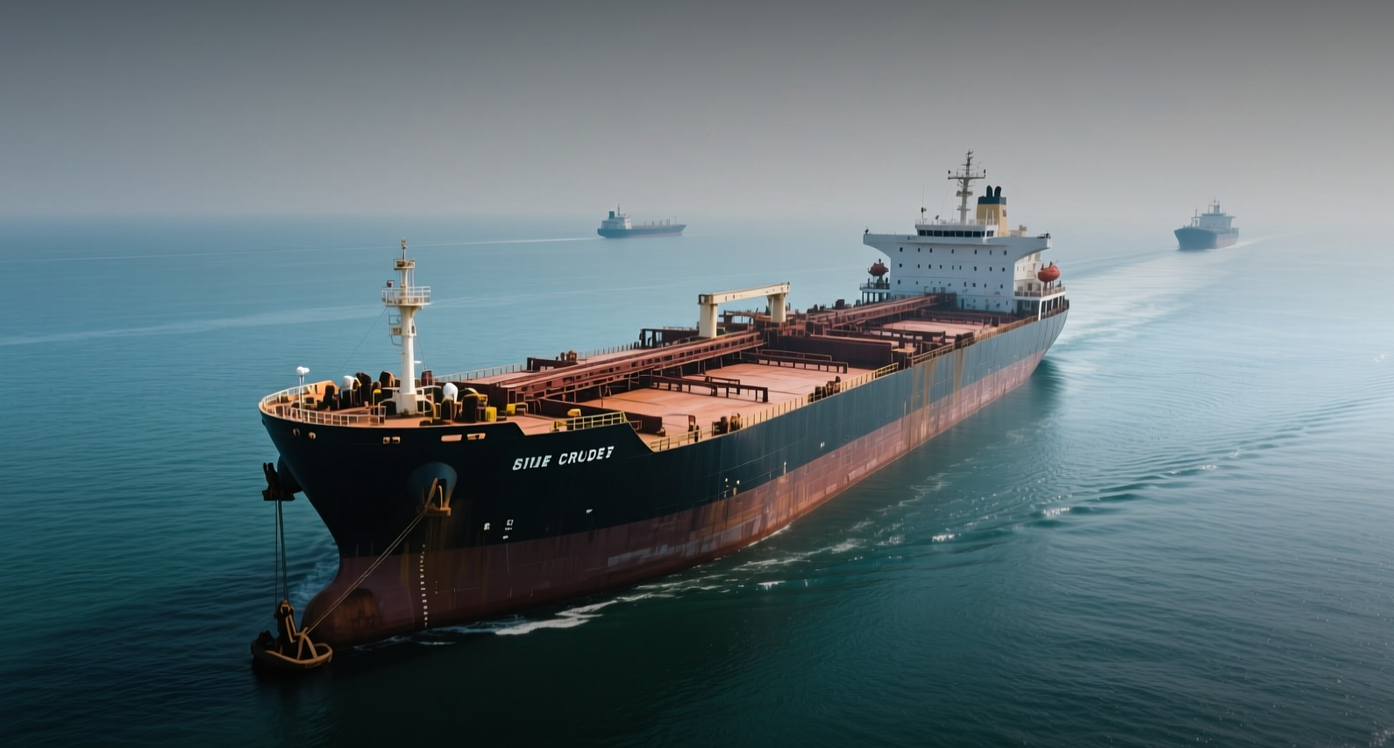
A blunt threat from Israel's defense minister — that any Iranian attack would draw a response sending Tehran "back to the Stone Age" — has reignited the supply-disruption premium in crude, with Brent settling 5.11 percent higher at $95.10 a barrel as traders braced for a possible closure of the Strait of Hormuz.
"The escalation risk is now squarely back on the table after weeks of relative calm," said Elena Fischer, a geopolitical risk analyst tracking Middle East energy flows. "The market is pricing insurance against a worst-case closure of the strait, not an actual loss of barrels today."
The warning follows a fresh wave of US strikes on Islamic Revolutionary Guard Corps positions, launched after two oil supertankers attempting to leave the Strait of Hormuz were hit by projectiles. US Central Command said the strikes targeted launchers preparing to place mines in the waterway, which handles roughly 21 percent of global oil trade. Iran has responded with attacks on the United Arab Emirates and Jordan and warned it could halt oil exports from the Gulf.
Oil shipments through the strait had recovered to about half of pre-war levels during the recent lull in fighting, and the renewed escalation threatens to reverse that progress. West Texas Intermediate gained 5.62 percent to $90.54 a barrel, while US diesel prices touched a 52-month high and the diesel crack spread — a measure of refining margins — climbed to a record near $106 a barrel. The last time tensions reached this pitch, in the first direct US-Iran exchange since July, Brent swung more than 8 percent within a week as traders weighed the risk of a full closure of the waterway.
The stakes extend beyond crude. Higher energy costs feed directly into inflation, complicating the Federal Reserve's path as it weighs rate policy against Treasury yields that have already climbed to their highest level since January 2025. Gold, typically a beneficiary of geopolitical stress, fell 2.7 percent to $4,326.99 an ounce as a stronger dollar and rising yields outweighed safe-haven demand, while a firmer greenback pressured other currencies.
For investors, the central question is whether the rhetoric hardens into sustained conflict or fades as it did after the July exchange. ING analysts caution that Brent's elevated risk premium could unwind quickly if de-escalation takes hold, refocusing the market on soft Chinese demand — forecast to fall by 1 million to 1.6 million barrels a day in 2026 — and rising non-OPEC+ supply from the United States. If instead the strikes continue, the premium could widen further, with Iran's threat to block Gulf exports representing the tail risk that would send prices sharply higher.
This article is for informational purposes only and does not constitute investment advice.