Morgan Stanley's exclusion from SK Hynix's record $26.5 billion US listing has exposed the cost of its bearish calls on Korean semiconductors.
Morgan Stanley was shut out of SK Hynix Inc.'s $26.5 billion US depositary receipt listing, the largest foreign IPO in American history, as its repeated warnings on Korean memory chips backfired on its investment banking business.
"Morgan Stanley has been in a self-reflective mode lately as its deals in Korea continue to fall through," the head of a major Korean investment firm said. "It was also a significant shock to be left out as the sole lead underwriter for SK Hynix's US listing."
Bank of America Corp., Citigroup Inc., Goldman Sachs Group Inc. and JPMorgan Chase & Co. were selected as joint lead underwriters for the offering, which at a 0.5 percent fee rate would generate roughly $130 million in total commissions. Morgan Stanley, which had touted its role on mega-IPOs including SpaceX and Anthropic and was considered a frontrunner for OpenAI's listing, was the only top-tier Wall Street bank excluded.
The snub threatens to compound Morgan Stanley's struggles in one of Asia's most important investment banking markets. The firm has seen multiple Korean mandates collapse, from the Mirae Asset Securities Co. dispute over SpaceX share allocation to the failed 73 trillion won ($55 billion) IGIS Asset Management Co. sale, raising questions about its ability to win future business in the country.
The Bearish Analyst Behind the Backlash
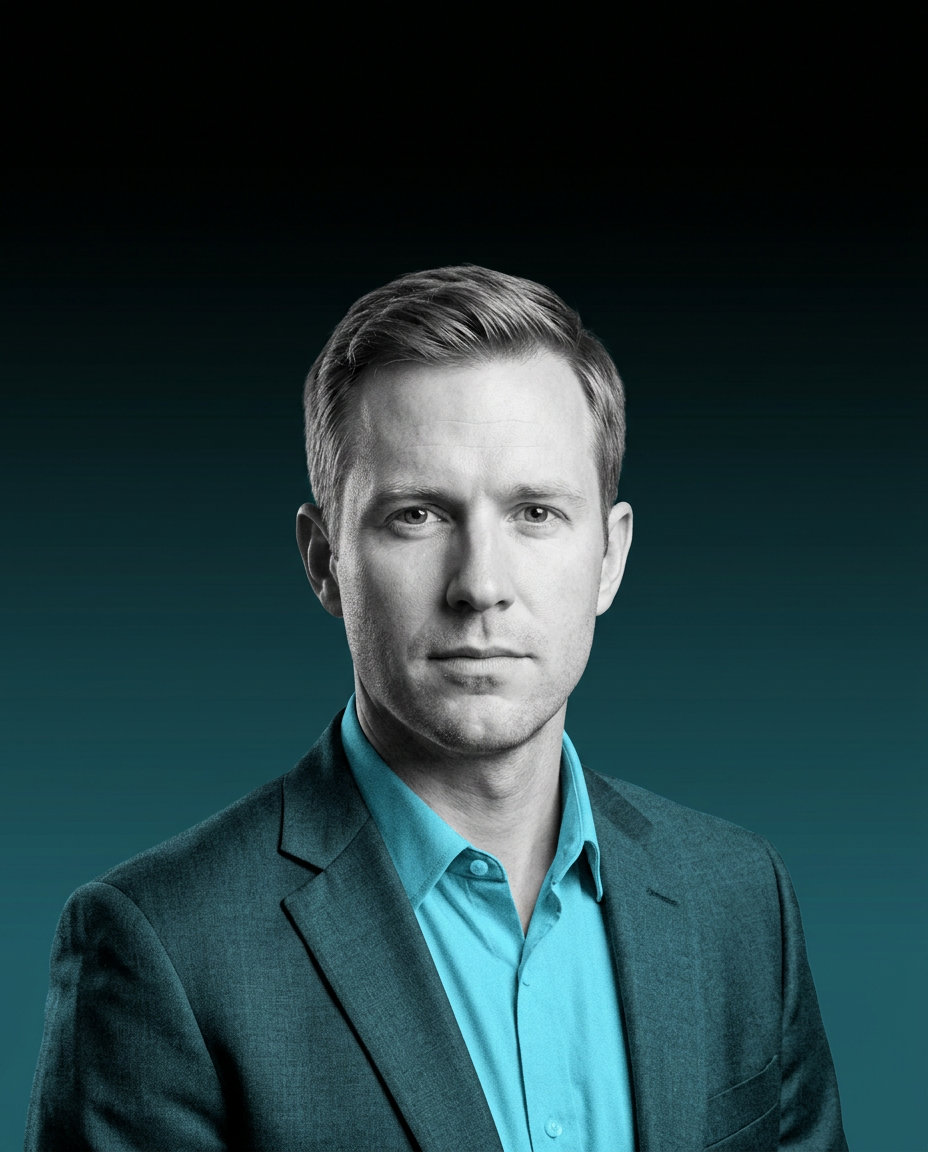
The figure at the center of the controversy is Shawn Kim, a Korean-American managing director who joined Morgan Stanley in 2002 and now oversees technology research for Europe and Asia from London. Over the past decade, he has issued a series of high-profile warnings on Korean semiconductors that earned him the nickname "Korea's semiconductor grim reaper."
In August 2021, Kim published a report titled "Memory, Winter is Coming" that presaged a two-year downturn in the chip cycle. He followed with a September 2024 note questioning whether high-bandwidth memory supply would outrun demand, a call Morgan Stanley later acknowledged was wrong on SK Hynix's near-term earnings. On July 6, the equity strategy team led by Chief Investment Officer Michael Wilson recommended reducing exposure to memory stocks including Samsung Electronics Co., SK Hynix and Micron Technology Inc. — a move Korean market participants described as "rubbing salt in the wound" as the market was already correcting.
Kim's latest report on July 21 warned that memory contract prices would peak in the fourth quarter, citing NAND module inventory rising to about 13 weeks — near the pandemic-era peak of 15 weeks — and the earnings upgrade ratio falling to 77 percent from a high of 92 percent. The report triggered a selloff that sent SK Hynix and Samsung Electronics down more than 7 percent each intraday and briefly triggered a circuit breaker on the Kospi index.
Deal Failures Pile Pressure on Seoul Office
The SK Hynix exclusion is not an isolated incident. Morgan Stanley's Seoul office has faced a string of setbacks that have fueled internal discontent.
In the SpaceX IPO subscription, Mirae Asset Securities said it applied for $1.14 billion through Morgan Stanley's system between June 5 and June 10 and received a confirmation, only to receive zero shares. Mirae Asset has since filed a civil lawsuit against Bloomberg LP over a report that blamed the brokerage for the failed allocation, while South Korea's Financial Supervisory Service completed an on-site inspection with results expected in months.
Morgan Stanley also jointly advised IGIS Asset Management, the country's largest real estate manager with 73 trillion won in assets including 2 trillion won from the National Pension Service, on its sale. The deal collapsed after preferred bidder Hillhouse Capital, a Singapore-based firm founded by a Chinese entrepreneur, withdrew due to funding issues. Competing bidder Heungkuk Life Insurance Co. filed a police complaint alleging pricing information favoring Hillhouse was leaked exclusively to the firm.
Internal frustration has surfaced within Morgan Stanley's fundraising teams. "How are we supposed to conduct business?" one person involved in the Korean operations said, according to local media. A former Morgan Stanley executive noted that "there's a growing sentiment in the Seoul office that Shawn Kim's reports might have cost us the deal."
The tension reflects a structural conflict facing global investment banks: research independence versus business interests. Kim's 2017 and 2021 calls proved prescient, while his 2024 HBM forecast missed the mark. Morgan Stanley's US semiconductor analyst Joseph Moore holds a more optimistic view, arguing that AI data center investment will keep DRAM supply constrained through 2028.
For now, Morgan Stanley's Korean franchise faces an uncertain path forward. Samsung Electronics and SK Hynix trade at about 1.7 times and 2.5 times book value respectively, below recent highs but above long-term averages — a valuation zone that reflects the market's ambivalence about whether memory chips remain cyclical or have been transformed by AI demand. The next test will be whether Morgan Stanley can rebuild trust with Korean corporates before the next major mandate comes to market.
This article is for informational purposes only and does not constitute investment advice.