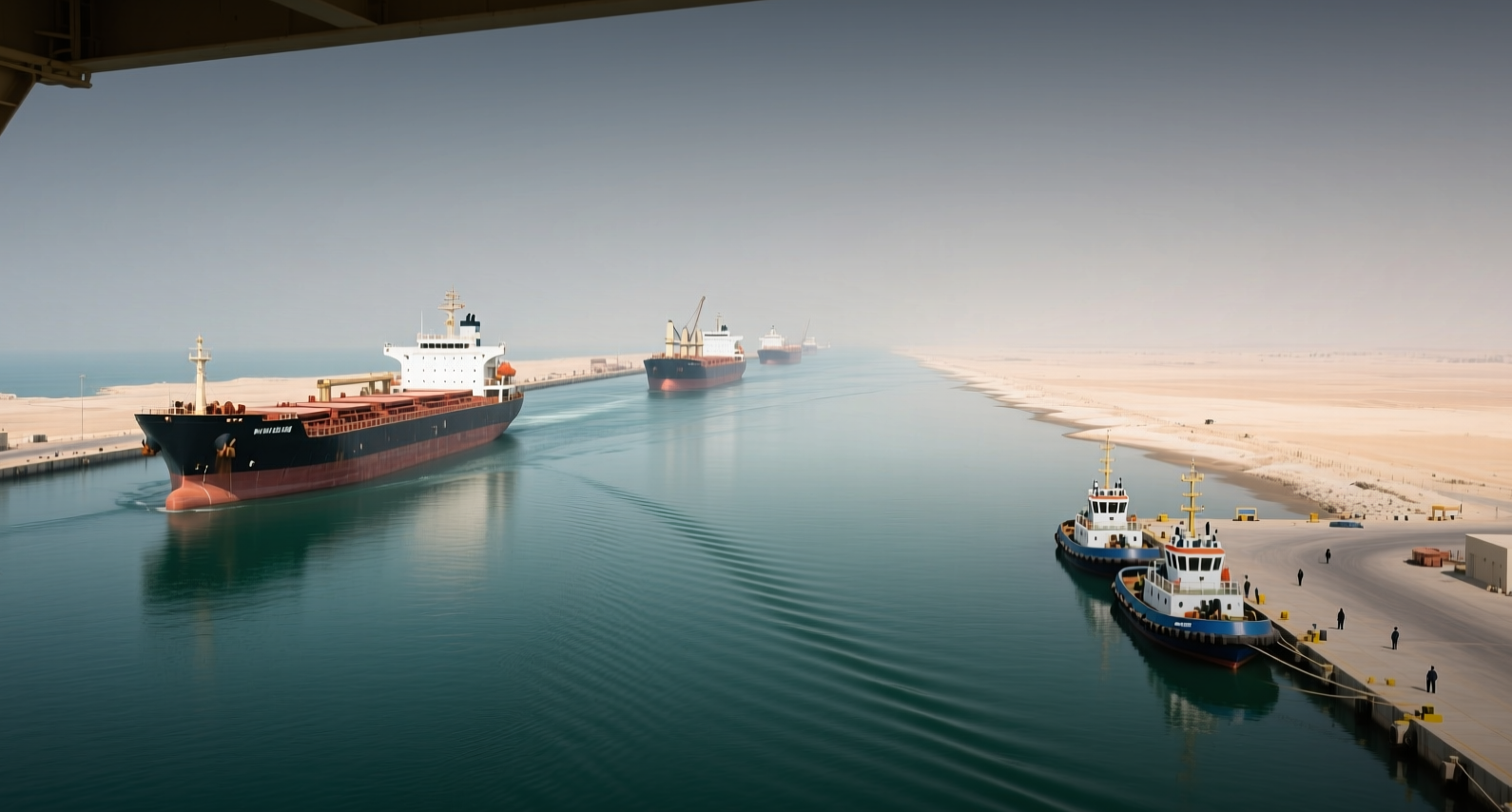
OPEC crude production declined in August after the war in Iran disrupted Saudi exports and a reinstated U.S. naval blockade cut Iranian shipments to zero, tightening a market where Brent has already crossed $100 a barrel.
"The balance of power has tilted against Iran a bit," said Arash Azizi, an Iranian analyst, noting that the U.S. blockade is hitting Iranian oil flows hard. U.S. Treasury Secretary Scott Bessent told Fox News the combination of the blockade and sanctions amounts to "one of the most powerful one-two punches in the history of economic isolation," adding: "We are going to asphyxiate this regime."
The supply loss is concentrated in two places. Iran loaded roughly 260,000 barrels per day for export at its ports in August, an 80% slump from 1.7 million bpd in August 2025 and less than half the 740,000 bpd loaded in July 2026, according to Kpler data cited by CNBC. TankerTrackers.com estimates Iranian flows out of the Persian Gulf fell 100% last month against the January-February 2026 pre-war baseline, with no Iranian vessel clearing the blockade since mid-July. On the Saudi side, Houthi drone and ballistic missile strikes on Aramco installations in the kingdom's south triggered fires at multiple oil sites, including the 400,000 bpd Jizan refinery, and wounded at least 73 people, Riyadh said.
The price response has been unambiguous. Brent crude futures rose about 3% on Wednesday to cross $100 a barrel for the first time in roughly two months, while WTI gained more than 2% to push past $95. Brent had already ended the prior week up 6% near $95. "Oil investors are expressing their view about the impact of the latest bout of escalation in the Middle East in an unambiguous way," said Tamas Varga, an analyst at PVM Oil Associates. "They are voting with their dollar, and this vote strongly indicates that unless the Strait of Hormuz re-opens, and oil starts flowing again uninterruptedly, supply will not be aligned with demand in the foreseeable future."
The squeeze is sharpest in refined products rather than crude itself. The U.S. national average diesel price hit $5.85 a gallon, breaking the 2022 record, with nationwide stocks at a record seasonal low and East Coast inventories at an all-time low even as American refiners run at maximum capacity. Middle distillate cracks alone now exceed outright crude prices. Gasoline above $4 a gallon marked the highest-ever Labor Day weekend reading in nominal terms.
OPEC+ freezes quotas as the war blocks its hikes
The group is expected to hold October 2026 quotas steady at 31.01 million bpd, pausing the unwinding of its remaining 1.65 million bpd of supply cuts until at least 2027 because the conflict caps what Middle Eastern producers can actually lift. That gap between announced barrels and delivered barrels is the core of the story: OPEC+ has capacity on paper that cannot reach a tanker.
Saudi Arabia's workaround is running through the Red Sea, and it is now contested. Saudi seaborne crude exports through Bab al-Mandeb between March and mid-July were eight times higher than the same period in 2025, which is precisely why the Houthis have pushed toward the strait's western approaches. The Houthis declared a blockade on Saudi shipping in July. In 2024, about 4.1 million barrels of crude and petroleum products passed through Bab al-Mandeb daily, roughly 5% of the global total.
Saudi Aramco kept its October Arab Light selling price to Asia at a $2 a barrel discount to Oman/Dubai, the lowest since June 2020, defying expectations of an increase even as Dubai backwardation steepened in August. The pricing choice suggests Riyadh is prioritizing volume retention in its largest market over capturing the war premium.
Diesel cracks feed straight into rate expectations
The inflation channel is already visible. U.S. payrolls rose 162,000 in August, beating every forecast, with unemployment at 4.1%, and futures now price roughly a 60% probability of a September Fed hike rather than a cut. Spot gold fell more than 2% below $4,400 an ounce on that jobs print, showing the safe-haven bid competing with, and losing to, the rate repricing. Energy-driven headline inflation that central banks cannot offset with policy is the least comfortable version of this shock.
The last time Brent traded above $100 for a sustained stretch, in 2022, U.S. diesel peaked at $5.81 a gallon and the Fed delivered four consecutive 75 basis point hikes. Diesel has now exceeded that level.
Europe's benchmark TTF gas futures climbed past €72 per MWh, the highest since December 2022, as stalled Qatari LNG exports intensify competition with Asia. Taiwan has set aside $13.3 billion for energy subsidies, including roughly $7.4 billion for spot LNG purchases, warning of a shortfall of about 70 cargoes through December. Bangladesh's Petrobangla paid $28.03 per MMBtu for a single cargo from BP, the highest since 2022, to ease blackouts that have disrupted 40% to 50% of the country's knitwear production.
The next test is the OPEC+ October quota decision, where holding at 31.01 million bpd would confirm the group cannot offset the lost barrels. Iran's new Supreme National Security Council secretary, Mohsen Rezaei, has warned that "economic warfare will be met by a maritime exclusion zone across the Persian Gulf to the blockade perimeter." Two months before U.S. midterm elections, with gasoline and diesel at records, the political tolerance for that escalation is the variable traders cannot price.
This article is for informational purposes only and does not constitute investment advice.