

Key Takeaways
- Peter Schiff declared the AI stock bubble has popped, citing SpaceX's decline
- SpaceX shares fell 47% from their peak, losing $1 trillion in market value
- Lockup expirations in August could unleash 911.5 million additional shares
Key Takeaways
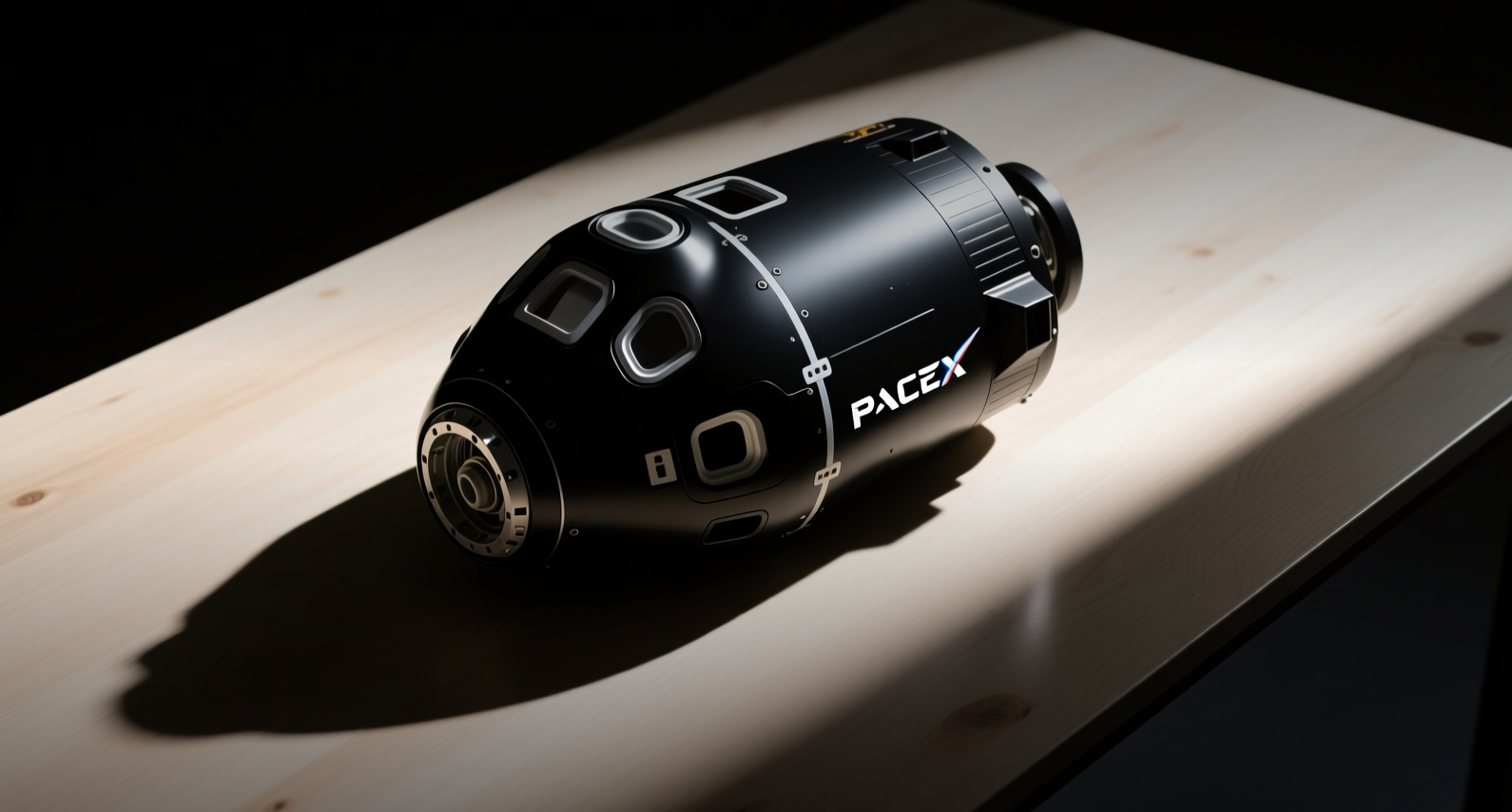
Peter Schiff says the artificial intelligence stock bubble has burst, and SpaceX's $1 trillion market value wipeout is the evidence.
The AI stock bubble has popped, economist Peter Schiff declared, as SpaceX shares lost $1 trillion in market value since their post-IPO peak and closed at a fresh low below $120.
"The chart is not looking good," Schiff, co-founder of Echelon Wealth Partners, said on social media. The bearish call from the longtime gold advocate adds to mounting skepticism around AI-company valuations.
SpaceX (SPCX) shares fell more than 3% Monday to close at roughly $119, marking seven consecutive sessions of losses. The stock has dropped 47% from its record high above $225 set three days after the company's historic June IPO, according to exchange data. The decline has erased roughly $1 trillion in market capitalization, reducing the company's value to about $1.6 trillion from a peak of $2.64 trillion.
The selloff threatens to chill the broader AI IPO pipeline. OpenAI and Anthropic, both reportedly weighing public listings, may reconsider their timing as SpaceX's post-IPO volatility spooks prospective issuers. Short sellers have added to the pressure, with S3 Partners estimating short interest at roughly 30% of the float.
Lockup Expiration Looms as Next Test
A more immediate catalyst for further downside arrives next month. SpaceX's first earnings report as a public company is expected in August, and two trading days afterward, roughly 911.5 million shares — representing 20% of early-release-eligible shares — will become available for sale as lockup agreements expire, according to SEC filings. Even a partial selloff by employees and early investors could pressure the stock further.
The company has also faced operational setbacks. SpaceX aborted a Falcon 9 launch Monday morning and scrubbed a Starship flight test last Thursday, adding to negative sentiment around the stock.
Wall Street Remains Bullish Despite the Rout
Not everyone is selling. Cathie Wood's ARK Invest added about $18 million worth of SpaceX shares during the recent decline, and Wall Street analysts remain overwhelmingly bullish. Of 37 analysts covering the stock, 30 rate it a buy, with a consensus 12-month price target of $235.34 — roughly 90% above Monday's close, according to Bloomberg data. UBS, Bernstein and Raymond James reaffirmed their buy ratings Friday.
Giverny Capital Asset Management, in its second-quarter letter, described the current market as one where "people are betting on moonshots," noting that massive AI IPOs from SpaceX, OpenAI and Anthropic are testing investor appetite. The firm's David Poppe wrote that "some terrific companies are being left behind" as momentum chases AI names.
The AI Bubble Debate Intensifies
Schiff's call taps into a growing divide between AI bulls and skeptics. The S&P 500 generated a 10.2% return in the first half of 2026, yet 210 stocks in the index posted negative returns, according to Giverny Capital. The dispersion suggests investors are rotating aggressively into AI winners while abandoning laggards — a pattern that historically precedes sharp reversals.
The comparison to past technology bubbles is unavoidable. Railroad construction in the 1880s created enormous national wealth while bankrupting early investors. The dotcom boom of the late 1990s produced similar outcomes, with stocks like Cisco Systems and Lucent soaring before collapsing. Whether AI follows that trajectory or delivers on its promise of transforming cancer research and physics remains the central question for markets.
This article is for informational purposes only and does not constitute investment advice.
