
Remixpoint converted its full ether, solana, XRP and dogecoin holdings into ¥878.8 million in proceeds, realizing a ¥117.8 million gain while pivoting to a bitcoin-only corporate treasury.
Remixpoint converted its full ether, solana, XRP and dogecoin holdings into ¥878.8 million in proceeds, realizing a ¥117.8 million gain while pivoting to a bitcoin-only corporate treasury.
The Tokyo-listed energy firm disposed of its full altcoin stack on Sept. 1, converting roughly $5.5 million of ether, solana, XRP and dogecoin into a realized ¥117.8 million profit — its largest single crypto trade of the fiscal year. The company now carries approximately 1,506 BTC, worth about $115 million, as its only digital asset exposure.
The decision followed a review of market conditions, risk-return characteristics and the company's financial strategy, Remixpoint said in its Sept. 2 disclosure. Concentrating the portfolio around bitcoin aims to "clarify investment strategy" and "improve capital efficiency," the firm said.
The disposal covered 901.45 ETH, 13,920 SOL, 1.19 million XRP and 2.8 million DOGE. Ether produced the largest gain at ¥60.2 million, followed by solana at ¥49.3 million and XRP at ¥11.5 million. Dogecoin was the only position sold below its fiscal-year opening value, recording a ¥3.3 million loss.
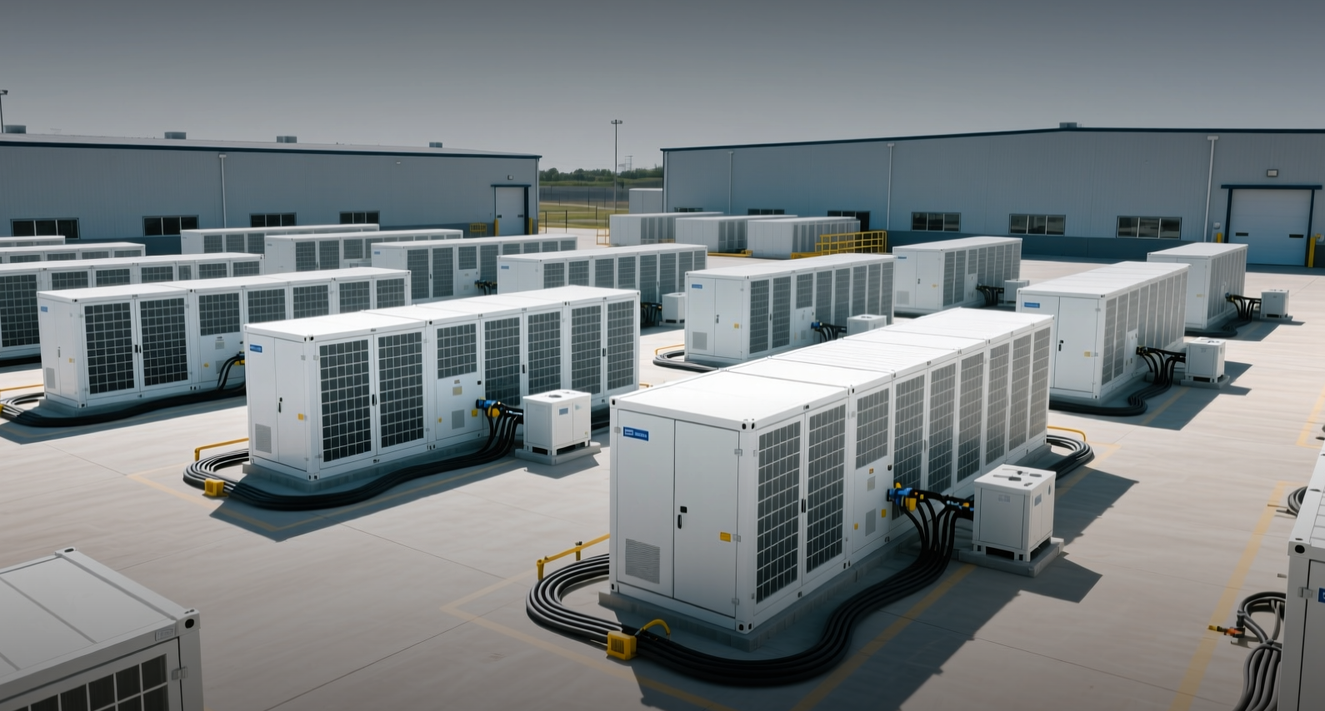
The ¥117.8 million gain will book as Q2 FY2027 revenue for the quarter ending Sept. 30, with proceeds directed toward grid-scale battery storage expansion and shareholder value measures.
Remixpoint's exit places it inside a growing cohort of Japan-listed firms consolidating digital asset holdings into bitcoin. Metaplanet, the country's largest bitcoin treasury, recently added 2,823 BTC and launched a U.S. vehicle called Superplanet, while smaller firms such as ANAP have also entered the space.
The trend extends beyond Japan. Strategy, the largest corporate bitcoin holder, resumed purchases with a 4,603 BTC acquisition for $369.7 million, taking its total to 845,050 BTC. The company authorized bitcoin sales for credit and dividend purposes but said it will remain a net buyer.
Remixpoint's approach differs from peers in one respect: it sold its altcoin sleeve to fund battery storage projects rather than to buy more bitcoin outright. The company also generates yield from its BTC position through lending, earning 14.92 BTC between February and August, while its combined ETH and SOL staking added ¥29.87 million over the same window.
The XRP exit is notable given Japan's regulatory direction. Lawmakers are advancing a bill to treat bitcoin, ether and XRP like stocks, which could cut crypto tax toward 20 percent. SBI Holdings continues to expand XRP payment rails, and gaming firm Gumi is adding both BTC and XRP, suggesting Remixpoint's exit reflects mid-cap treasury de-risking rather than a broader abandonment of the asset.
The sale was executed into a turbulent tape — bitcoin fell below $77,000 on Sept. 1 as U.S. military strikes in Iran triggered a broad risk-off selloff — yet Remixpoint still closed its altcoin positions in profit relative to fiscal-year opening book value, indicating a planned strategy close-out rather than capitulation. The company's decision reinforces a structural shift among public companies toward bitcoin as the standard corporate crypto reserve, with implications for how other treasuries allocate across digital assets.
This article is for informational purposes only and does not constitute investment advice.
