
Russia's gray zone operations against Europe have climbed to roughly 15 per month since April, up from about 10, as Moscow escalates pressure on NATO.
Russia's gray zone operations against Europe have climbed to roughly 15 per month since April, up from about 10, as Moscow escalates pressure on NATO.
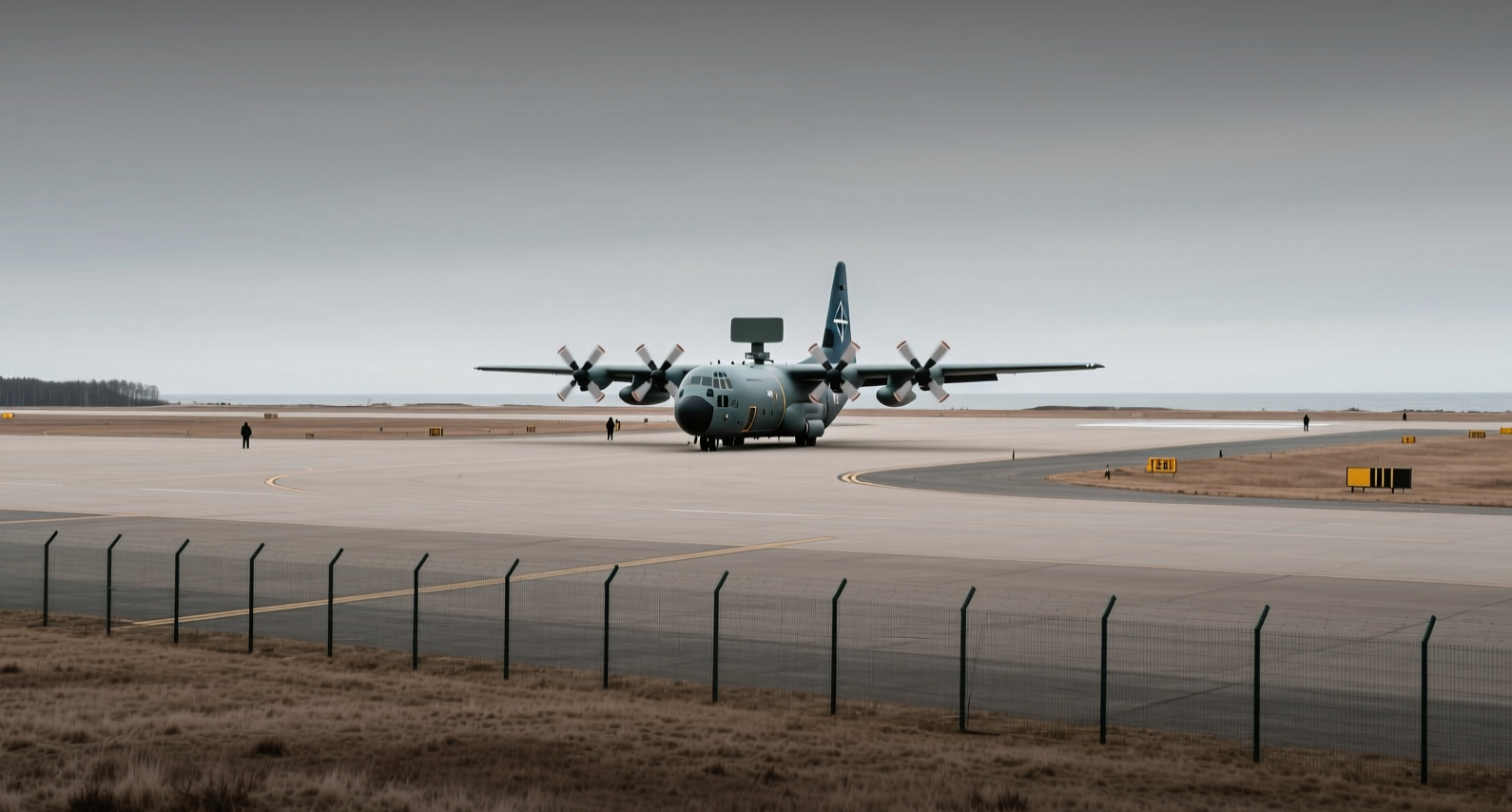
Russia's gray zone operations against Europe have climbed to roughly 15 per month since April, up from about 10, as Moscow escalates pressure on NATO.
Russia has intensified gray zone operations across Europe, with documented incidents rising from about 10 per month to roughly 15 since April, as Moscow seeks to curb Western military aid to Ukraine and fracture NATO unity.
"Russia is looking for ways to reduce support among NATO countries for Ukraine and, one of the secondary effects they are also pursuing is spreading panic," said Remigijus Bridikis, director of Lithuania's civilian intelligence agency.
The escalation spans drone incursions, sabotage, and cyberattacks. Three explosive drones were discovered in or near a German airport — one beneath a Ukrainian cargo plane — while Russian drones have repeatedly entered NATO airspace, including one shot down over Romania. Dutch intelligence warned that Russian state actors are systematically conducting digital espionage by hacking web-linked cameras to spy on aid shipments to Ukraine.
The stakes extend beyond individual incidents. New U.S. intelligence reports assess that Russia could test NATO's resolve with a limited assault on a member country within the next few years, ranging from a cyberattack to a small-scale land incursion — a scenario that would trigger the alliance's Article 5 collective defense commitment.
The acceleration comes as Ukraine has carried out increasingly successful strikes deep inside Russia, battering its oil and gas sector and other industries feeding Moscow's war machine. The Kremlin is now mirroring those tactics against Ukraine's supply lines, which extend far into NATO territory.
CIA Director John Ratcliffe made a surprise trip to Moscow this week, in part to warn Putin's government that the U.S. stands by its NATO allies, according to people familiar with the visit. Ratcliffe met with FSB chief Aleksandr Bortnikov and delivered a bleak assessment of Russia's military and economic position, urging Moscow to reach a deal before conditions deteriorate further, The New York Times reported. The visit echoes a November 2021 trip by then-CIA Director William Burns, who warned Putin against invading Ukraine — three months before Russia launched its full-scale attack.
European authorities have accused Russia of hiring local agents over Telegram and other social-media platforms to conduct sabotage, espionage, and vandalism meant to stoke divisions. Estonia is investigating whether Russia-linked sabotage was behind an arson attack on defense company Milrem Robotics, while recent explosions and fires at munitions facilities in Italy, Bulgaria, and Finland have drawn suspicion of Russian involvement. Slovak police said they thwarted an attempted attack on a drone factory by "three foreigners," whose nationality they didn't identify.
The Kremlin gains from riling domestic politics ahead of coming elections in NATO countries including Germany, France, Finland, Estonia, and Poland. Poland is particularly prone to disruption because tensions with Ukrainian refugees have been mounting.
"The primary interest is to change the status quo in Europe," said Marko Mihkelson, an Estonian lawmaker. "It's an extension of the election interference you've seen them try to carry out" in other countries, he said. Officials in the U.S., U.K., Hungary, and Romania have accused Moscow of trying to skew national voting in recent years.
There is little evidence the plan is working. The alliance's easternmost members show some of the strongest support for maintaining military aid to Ukraine and boosting defense spending at home.
Romania, which had a strong Russia-sympathetic electorate in the years after Russia's invasion, has seen sentiment harden against Moscow following a series of drone incursions. Three drones were shot down over Romania last month, and a drone incursion in May started a fire on the roof of a residential building. Romania expelled a Russian diplomat last month; the Kremlin responded by expelling a Romanian diplomat in Moscow.
Whether Putin is behind all the mayhem or not, getting credit for it can boost Moscow's reputation for influence and impact. Russia's approach to conflict, dating back to Soviet times, blurs lines between covert subversion and outright warfare.
For European markets, the escalation carries direct implications. Defense spending across NATO members is set to rise further, benefiting defense contractors and cybersecurity firms, while energy infrastructure threats could add a geopolitical premium to oil and gas prices. European indices face risk-off pressure as investors price in the possibility of direct confrontation between Russia and NATO.
This article is for informational purposes only and does not constitute investment advice.
