
Key Takeaways: Venezuela is weighing an exit from OPEC, the cartel it helped found in 1960, as Washington negotiates a large stake in its oil fields.
Key Takeaways: Venezuela is weighing an exit from OPEC, the cartel it helped found in 1960, as Washington negotiates a large stake in its oil fields.
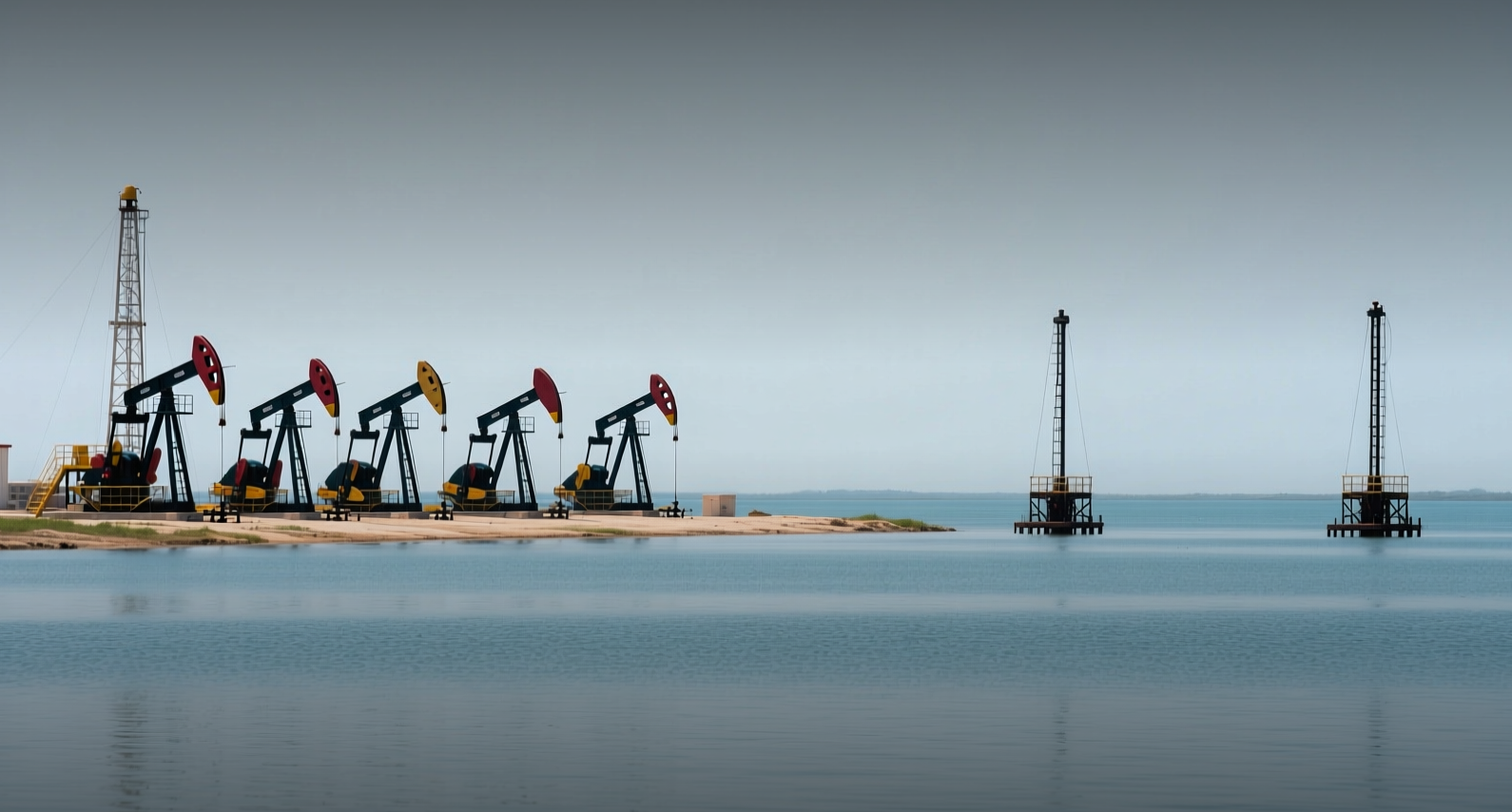
Venezuela is weighing an exit from OPEC, the cartel it helped found in 1960, as Washington negotiates a large stake in its oil fields — a realignment that could erode the group's grip on crude prices.
"This is real and being discussed at the highest levels of the US and Venezuelan governments," one person familiar with the talks told Reuters.
Negotiators have floated a 100-year lease on several fields, with a list of 17 assets spanning green fields in the Orinoco Belt and mature areas in Lake Maracaibo. Venezuela pumps about 1.16 million barrels a day, up roughly 300,000 barrels since US forces captured former leader Nicolás Maduro in January and installed acting President Delcy Rodríguez.
A US-Venezuela oil alliance would hand Washington a guaranteed crude supply at a time of war-driven volatility — Brent traded near $104 a barrel — while dealing a fresh blow to an OPEC already weakened by the UAE's exit four months ago.
The talks mark an almost unprecedented US intervention in another country's economy, in keeping with President Donald Trump's so-called Donroe Doctrine of extending American influence across the Western Hemisphere. Trump has described Venezuela as the 51st state and said the US controls its crude. Since Maduro's capture on Jan. 3, Washington has controlled Venezuelan oil sales while easing sanctions to let US companies and contractors return.
Venezuela's potential exit would be a victory for Trump, a longtime critic of OPEC's ability to push up fuel costs for American consumers. The country was one of five producers that founded OPEC in 1960, largely through the diplomatic efforts of its then-oil minister Juan Pablo Perez Alfonzo, and later helped create OPEC+ in 2016. Yet its influence has ebbed as sanctions and domestic turmoil gutted its petroleum industry — output of 1.16 million barrels a day is less than half the level of a decade ago.
Given that diminished production, a Venezuelan exit would have little immediate effect on global supply, which is dominated by the shockwaves of the US war with Iran and Tehran's move to strangle shipping through the Strait of Hormuz. But it would heighten doubts over whether OPEC, led by Saudi Arabia, can hold together after the UAE's departure. Some American officials envision an oil powerhouse built from a US-Venezuela alliance that would greatly diminish OPEC's influence, one person said.
The US has yet to disclose how much revenue it has generated from Venezuelan crude sales since taking control. Washington is also seeking to replenish its Strategic Petroleum Reserve, which holds about 290 million barrels — roughly 41 percent of capacity — after drawing it down following Russia's invasion of Ukraine in 2022 and again after the Iran war began in February.
Foreign producers are moving in. Oilfield giant SLB and independent producer Hunt Oil signed contracts with the Venezuelan government this month, while more risk-tolerant independent drillers and investors are jumping into what many view as the biggest oil opportunity since the fall of the Soviet Union. US Energy Secretary Chris Wright is planning a trip to Caracas as soon as next week, Axios reported.
The deal's legal structure remains unresolved. Current Venezuelan hydrocarbons regulation does not include acreage leases for oil areas, and the constitution reserves the industry's core activities to the state, raising constitutional questions that could invite legal challenges. A "lease" is under consideration as the legal model, with a possible auction or tender to allocate fields among US producers, one source said.
If Venezuela exits OPEC, it would free the country from any potential production quotas and let Washington pursue its plans for the oil sector unfettered by obligations to another group, one person said. That could add to the global oil surplus forecasters expect in coming years, keeping downward pressure on prices that have spiked on the Iran conflict.
This article is for informational purposes only and does not constitute investment advice.
