
Ukraine's tech-driven battlefield gains face uncertainty after Zelensky fires the reformer who championed them.
Ukraine's tech-driven battlefield gains face uncertainty after Zelensky fires the reformer who championed them.
Ukraine's tech-driven battlefield gains face uncertainty after Zelensky fires the reformer who championed them.
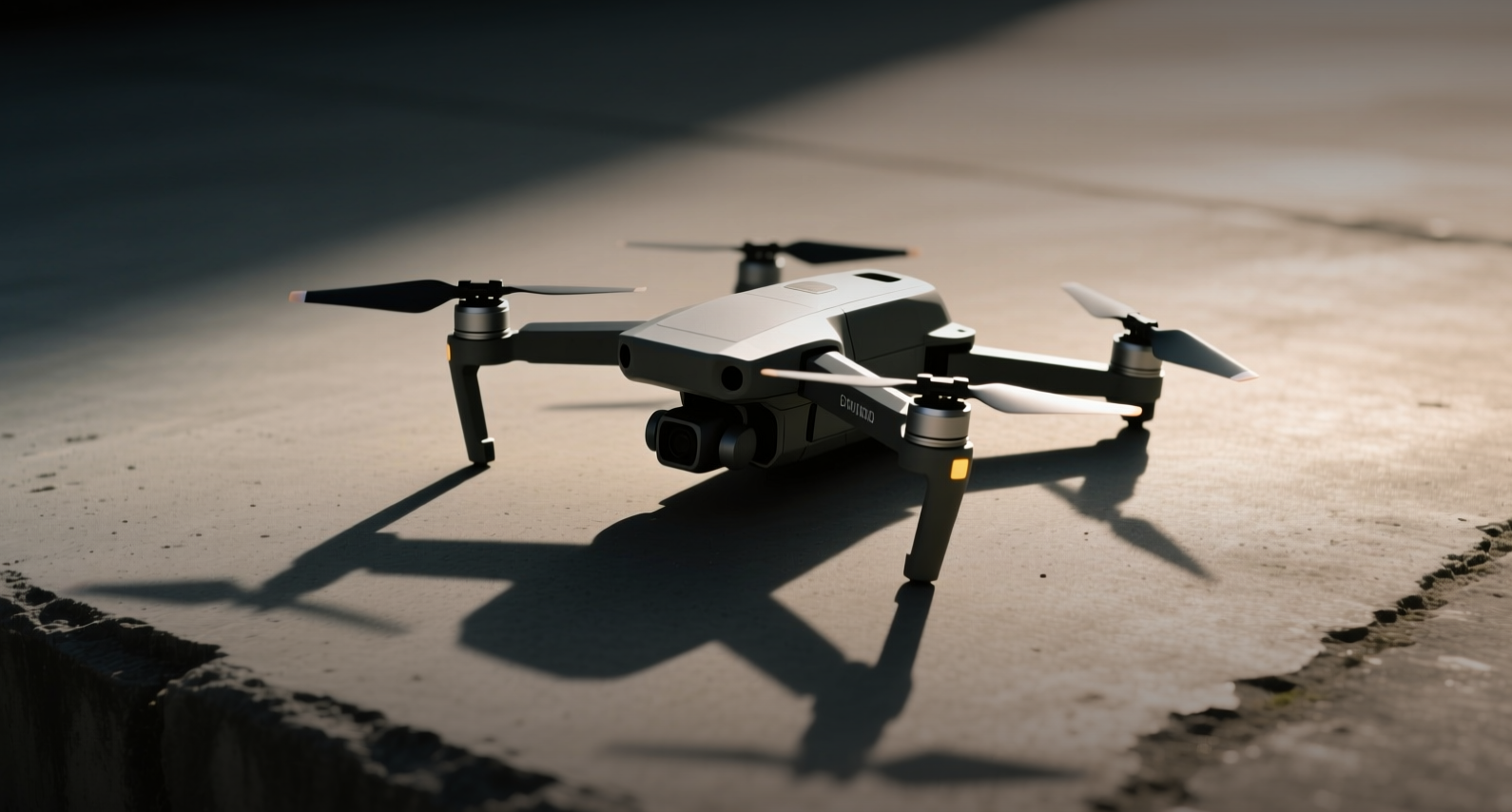
Ukrainian President Volodymyr Zelensky fired Defense Minister Mykhailo Fedorov on July 15 after months of feuding with the nation's top general, triggering street protests in Kyiv and raising questions about the future of the drone-centric strategy that had shifted momentum in the 4½-year war.
"War has changed completely. Drone technology and command systems change multiple times a year. We cannot rely on what worked two years ago," Fedorov said at a press briefing the day after his ouster, accusing Commander-in-Chief Oleksandr Syrskyi of "weaving intrigues" and blocking reforms.
Thousands gathered in central Kyiv on July 18 to demand Syrskyi's dismissal, with protesters holding signs reading "Fedorov is hell for Russia" and "If it ain't broke, don't fix it." The demonstrations continued for a second night as Russia launched one of its largest ballistic-missile attacks on the capital since the war began. Ukraine's air force said it intercepted 18 of 41 incoming missiles. Zelensky held meetings with senior military commanders for two consecutive days to defuse the growing discontent, including with Maj. Gen. Mykhailo Drapatyi, who has publicly praised Fedorov.
The dismissal threatens to derail the battlefield momentum Ukraine had built since early 2026, when Fedorov's reforms began producing results. Ukrainian forces had launched long-range drone strikes deep into Russia, destroyed three oil depots in the Stavropol region and hit three oil tankers in the Black Sea — operations that relied on the tech-driven approach Fedorov championed. On July 18, Ukraine struck logistics hubs of a Russian e-commerce company that it said were used for delivering components for military drones.
The Fedorov-Syrskyi Rift
Fedorov, 35, was appointed in January with a mandate to overhaul military procurement, introduce competitive tendering and root out corruption. A former marketing executive with no military background, he quickly clashed with Syrskyi, 60, a Soviet-trained general who commanded the successful defense of Kyiv in 2022 but has since drawn criticism for micromanagement and indifference to casualties.
The conflict reflected a deeper struggle between Ukraine's tech-savvy reformers and its Soviet-era military establishment. Fedorov pushed for AI-driven drones that could identify targets without human pilots, ground robots for supply and medical evacuation, and a data-driven approach to unit performance — including a controversial points system that rewarded the most effective brigades. He also convinced Elon Musk's SpaceX to shut down unauthorized Russian Starlink access on the battlefield, a move frontline troops described as a significant advantage.
Syrskyi blocked many of these initiatives, Fedorov said, preferring to maintain traditional command structures. The general's allies in the Navy and Air Assault Forces issued statements backing him on July 18-19, warning that public criticism of military leadership "divides our society and plays into the enemy's hands."
Commodity and Market Risks
The political turmoil comes as both sides escalate long-range strikes. Ukraine's drone attacks on Russian oil infrastructure — three tankers in the Black Sea and three depots in Stavropol — add to supply-side risks in energy markets already pricing in war premiums. The Black Sea route handles a significant share of global grain and oil product trade, and any disruption to tanker movements could push freight rates higher.
Zelensky appointed Yevhen Khmara, former head of the state security service's Alpha unit, as interim defense minister. Khmara has been involved in drone strike operations, suggesting the technology-focused strategy may continue. But the question remains whether any defense minister can operate effectively while Syrskyi retains command.
The last time a Ukrainian defense minister was dismissed amid such public controversy was in September 2023, when Oleksii Reznikov was removed over corruption allegations. That change did not alter the trajectory of the war. This time, the stakes are higher: Ukraine had begun to seize the initiative after four years of largely defensive operations, and the disruption at the top of its defense establishment risks ceding that advantage back to Russia. Russian military bloggers have already celebrated the ouster, with one writing that Fedorov "was too smart and effective for an enemy."
This article is for informational purposes only and does not constitute investment advice.
