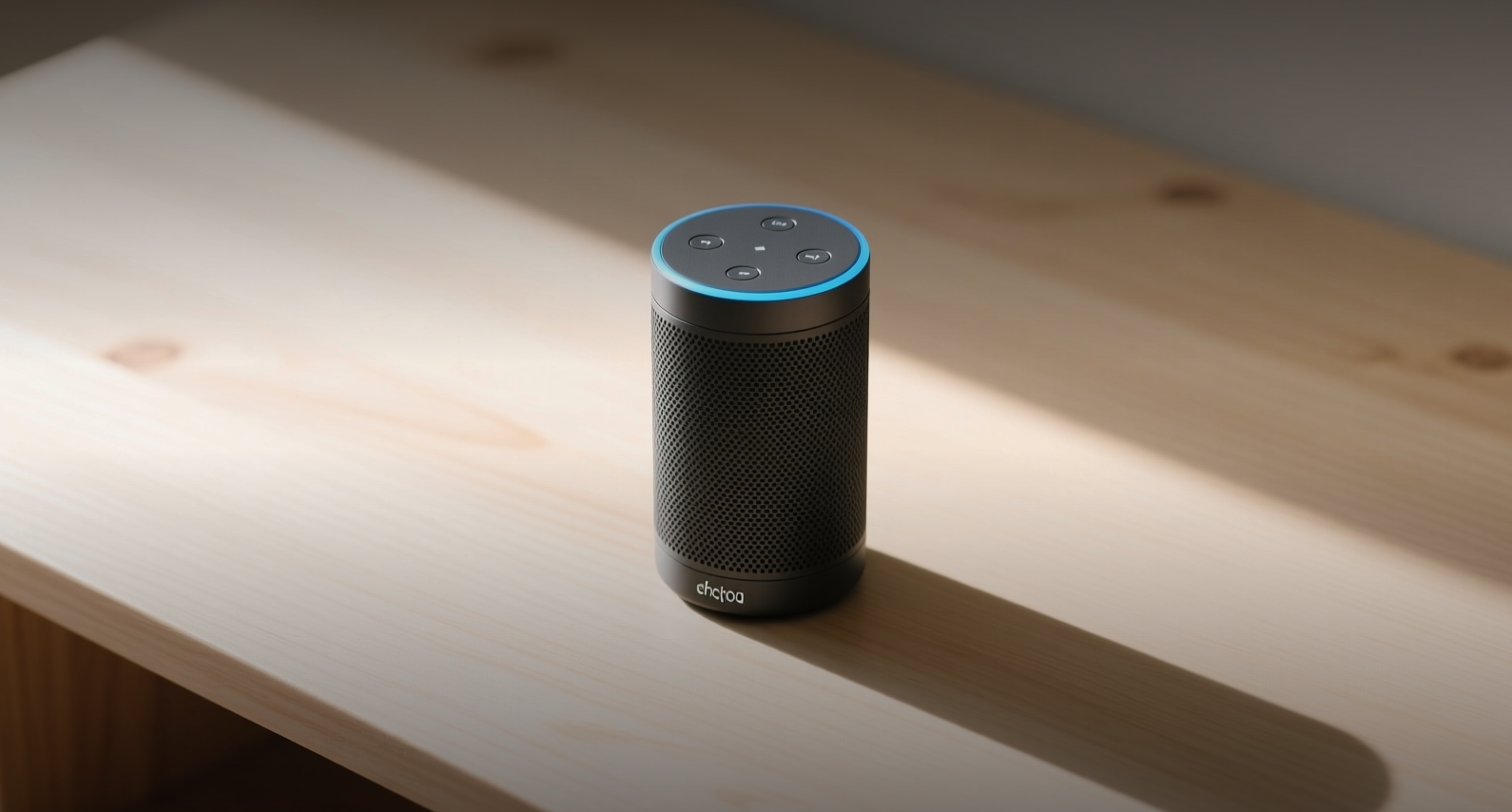
Amazon's Moonraker project aims to turn Alexa into an AI agent capable of completing multiple tasks from a single request — but the initiative carries a $100 million-plus price tag that underscores the steep cost of building more capable artificial intelligence.
Amazon is developing a project codenamed Moonraker to upgrade Alexa with agentic AI capabilities, enabling the assistant to handle multi-step tasks such as booking a ride and messaging a friend simultaneously from a single voice command. The initiative pushes Amazon into the AI agent race alongside OpenAI, Google and Anthropic, which have all introduced products that can browse the web and complete multistep workflows.
"Moonraker pushes Alexa into the AI agent race," one internal planning document reviewed by Business Insider said, describing the project as Alexa+'s "highest cost" new initiative.
Internal documents project more than $100 million in GPU costs for 2026 alone, with Amazon preparing hundreds of Nvidia GPUs and using Anthropic's Sonnet model for advanced reasoning and visual response functions during testing. The investment comes as Amazon's broader AI business gains momentum — Bedrock customer spending grew 170 percent quarter over quarter in the first quarter, processing more tokens than all prior years combined, while AWS's AI business has reached a $15 billion-plus annual revenue run rate, CEO Andy Jassy said on the company's earnings call.
The Moonraker bet is that a smarter Alexa will drive more commerce. Customers using Alexa+ are placing online orders three times more often than before, Jassy said in his annual shareholder letter, adding that engagement has doubled. The agentic shopping market is projected to reach $5 trillion in global commerce volume by 2030, according to industry estimates, and AI-driven traffic to US retail sites surged 393 percent year over year in the first quarter of 2026.
The Cost of Smarter AI
Moonraker's ambitions come with a hefty price tag that has become a growing internal concern. One planning document from early this year called it Alexa+'s "highest cost" new initiative, and some Amazon leaders feel the team has overspent on the AI models powering Alexa, according to a person familiar with the matter. The pressure reflects a broader reckoning across Silicon Valley as companies grapple with the rising cost of deploying advanced AI systems.
The project also highlights the infrastructure demands of agentic AI. Amazon is preparing hundreds of Nvidia GPUs to support Moonraker, with separate planning documents from late last year showing the company using an Anthropic Sonnet model for advanced reasoning functions as engineers tested the system ahead of a wider rollout.
Data Infrastructure as the Hidden Bottleneck
For agentic commerce to work at scale, the data layer beneath it must be structured and consistent — a challenge most retailers have not yet solved. Less than 1 percent of e-commerce product pages currently meet the minimum standards for recommendation by AI agents, according to Mirakl. Product identifiers vary between supplier systems, inventory status lags behind reality, and location data lacks standardization across fulfillment networks.
When a human shopper encounters bad data, they notice the wrong variant or know the inventory system is running behind. An AI agent has no such instinct — it reads the data it is given and completes the transaction, or fails to do so. Poor data quality costs organizations at least $12.9 million a year on average in environments where humans are still in the loop, according to Gartner. In agentic commerce, every automated transaction the agent gets wrong compounds that cost.
Investment Implications
Amazon shares trade at roughly 22 times forward earnings, and the Moonraker investment — while costly in the near term — positions the company to capture a larger share of the agentic commerce market. The broader AI infrastructure buildout also benefits Nvidia, whose GPUs power the Moonraker project, and Anthropic, whose Sonnet model is being used for advanced reasoning functions. However, the $100 million-plus GPU cost projection for a single initiative highlights the capital intensity of the AI arms race, raising questions about margin pressure across the sector.
This article is for informational purposes only and does not constitute investment advice.