


Archer Aviation is buying Boeing's Wisk Aero, SkyGrid and Insitu units in a deal that hands the aerospace giant a nearly 20 percent stake.
Archer Aviation is buying Boeing's Wisk Aero, SkyGrid and Insitu units in a deal that hands the aerospace giant a nearly 20 percent stake.
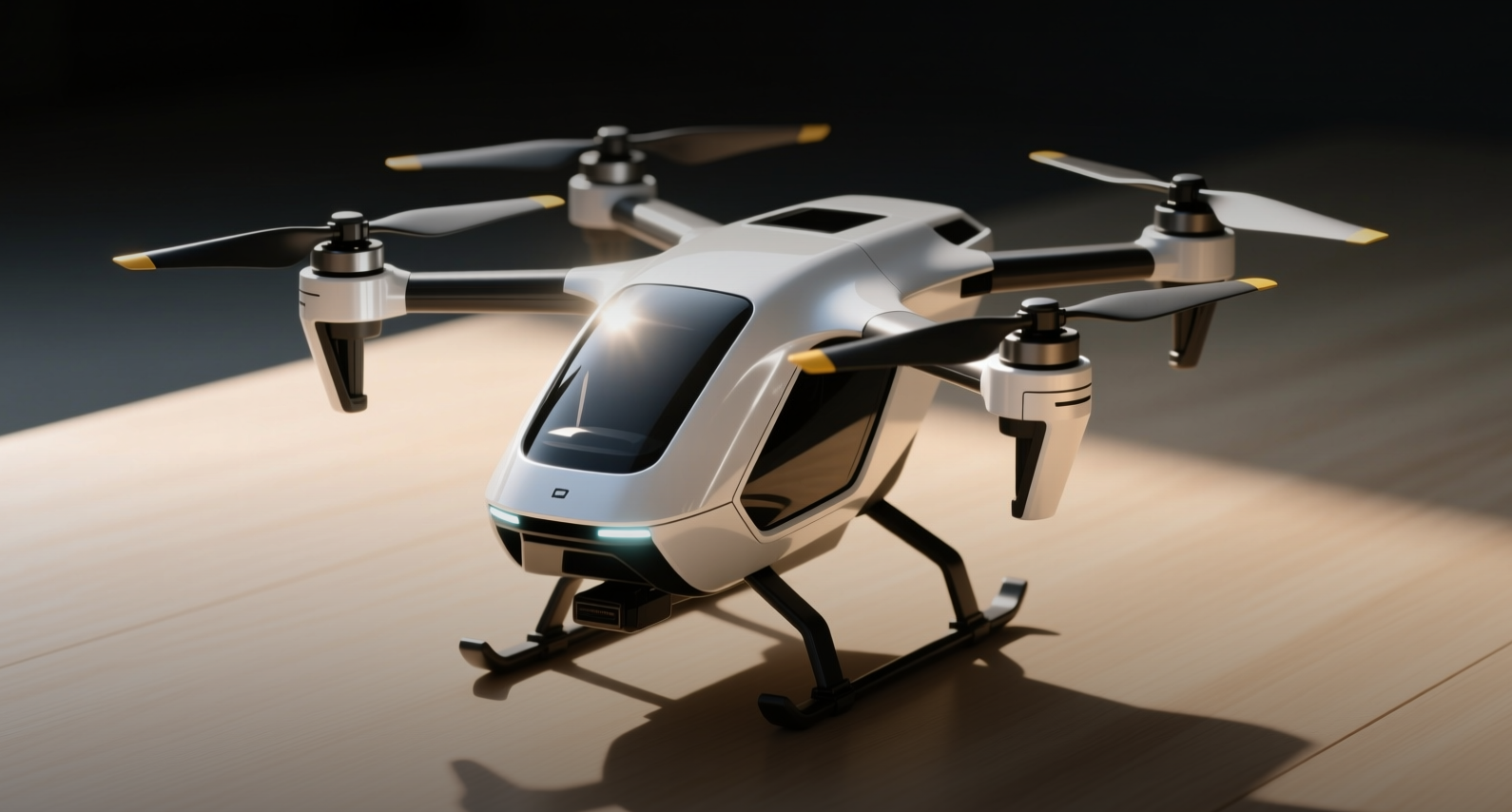
Archer Aviation agreed to buy Boeing's Wisk Aero, SkyGrid and Insitu units, handing the aerospace giant a nearly 20 percent stake while adding a defense business generating more than $200 million in annual revenue to the eVTOL maker's portfolio.
"This transaction is a win-win for Boeing and Archer," said Brian Yutko, Boeing's vice president of Commercial Airplanes Product Development. "It allows Wisk, SkyGrid and Insitu to accelerate capability development and time to market while ensuring Boeing capitalizes on its investments in these technologies over the past two decades."
Insitu operates across 35 countries and has fielded more than 3,500 unmanned aircraft systems used in intelligence, surveillance and reconnaissance. Wisk has built and flown six generations of electric vertical takeoff and landing aircraft over 16 years, completing more than 1,700 flight tests. SkyGrid provides ground-based air traffic management for automated airspace. The three businesses have nearly 2 million combined flight hours.
Boeing will retain access to Wisk's autonomous flight technology for its commercial and defense aircraft through a collaboration and technology-sharing arrangement, and will be entitled to nominate one director to Archer's board. The transaction requires approval under the Hart-Scott-Rodino Antitrust Improvements Act and is expected to close by the end of 2026.
Archer shares rose 6.88 percent on the announcement, while Boeing gained 0.96 percent. Moelis & Company is advising Archer on the deal, with J.P. Morgan Securities advising Boeing.
The deal marks the latest consolidation in an eVTOL sector that has struggled to convert years of development into commercial revenue. Archer and rival Joby Aviation have both leaned on defense contracts to fund certification, while cash-strapped startups have sought mergers or shut down. Boeing's decision to hand Wisk to Archer rather than fund it independently reflects the capital intensity of autonomous flight development.
The acquisition gives Archer a revenue-generating defense arm to fund its ZEE physical-AI platform, which pairs autonomous flight with air-traffic management. Insitu's government contracts across 35 countries provide a steadier cash base than Archer's pre-revenue eVTOL program, which is still working toward commercial certification. The defense unit's recurring revenue could help Archer extend its cash runway as it funds certification of its Midnight aircraft, a cost that has drained balance sheets across the sector.
For Boeing, the divestiture lets it capture value from two decades of autonomy investment while refocusing on core commercial and defense aircraft programs. The nearly 20 percent stake keeps Boeing exposed to urban air mobility upside without carrying the development cost. The move echoes Boeing's broader portfolio reshaping, which has seen it shed non-core units to concentrate capital on its narrow-body production ramp and defense backlog.
The deal is expected to close by the end of 2026, pending Hart-Scott-Rodino antitrust review. If approved, Archer would consolidate Wisk's autonomy technology, SkyGrid's airspace software and Insitu's defense drone operations under one roof, putting it against rivals including Joby Aviation in the race to commercialize electric air taxis. Archer's ability to fund certification while absorbing three new businesses will determine whether the deal delivers on its promise, with the defense revenue stream offering a buffer against the sector's high cash burn.
This article is for informational purposes only and does not constitute investment advice.
