
Global oil inventories have drained at a record 3 million barrels per day since February, with Citi warning the drawdown is approaching a critical threshold last seen during the 1970s oil crisis.
Global oil inventories have drained at a record 3 million barrels per day since February, with Citi warning the drawdown is approaching a critical threshold last seen during the 1970s oil crisis.
Global oil inventories have drained at a record 3 million barrels per day since February, with Citi warning the drawdown is approaching a critical threshold last seen during the 1970s oil crisis.
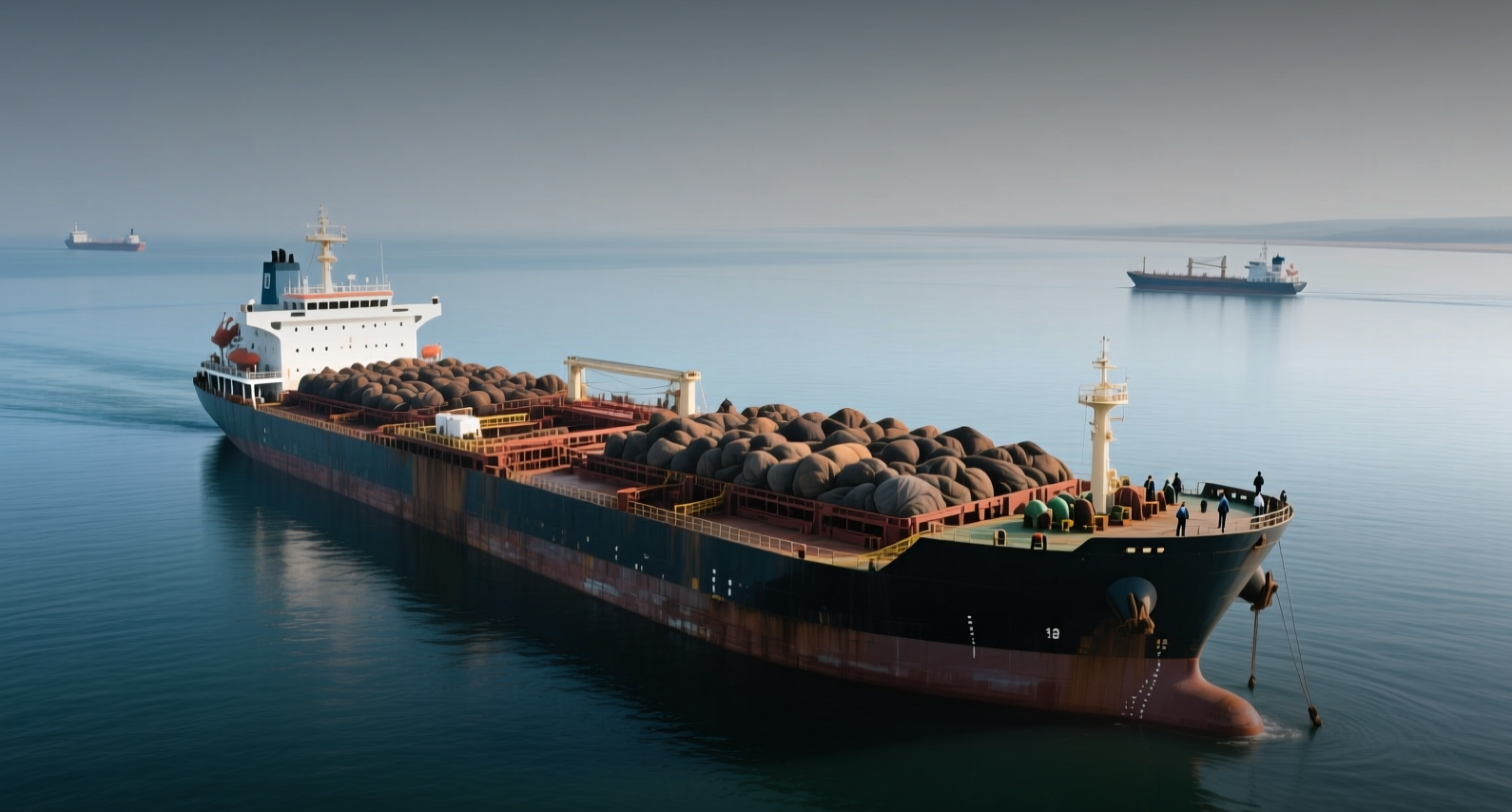
The US-Iran conflict has depleted global observable inventories by 519 million barrels since February, a drawdown Citi warns could push OECD stockpiles to a 70-day coverage line by end-2027. The Strait of Hormuz blockade has removed an estimated 11 million to 20 million barrels per day from global supply, with shipping traffic through the waterway collapsing to about nine vessel transits daily from roughly one-fifth of global consumption before the war began Feb. 28.
"Specific refined products — particularly diesel — are already under strain and could deteriorate further, meaning localized, product-specific crises will emerge before the aggregate timeline suggests," Citi analysts wrote in the report.
Brent crude traded at $93.82 a barrel Friday, up more than 7 percent over five consecutive sessions, while West Texas Intermediate climbed above $86.78, an 8 percent gain over the same stretch. Both benchmarks have rebounded more than $13 and $11 respectively from early-August lows near $80 and $75. US wholesale diesel prices now command a premium of more than $100 a barrel over WTI, and weighted refining margins have surged roughly 350 percent this year to $33 a barrel.
The 70-day coverage line carries historical weight. When OECD inventories last approached that threshold during the second oil crisis of the late 1970s and early 1980s, energy spending reached about 8 percent of global GDP — equivalent to all-in landed prices above $200 a barrel in today's terms, versus roughly $120 currently, Citi said. That gap suggests prices would need to rise well beyond current levels to match the previous crisis's economic strain.
Refined-Product Squeeze Bites Before Crude Metrics
The aggregate inventory picture masks a more urgent pressure point. Diesel cracks exceeding $100 a barrel and refining margins at $33 — roughly 350 percent above year-start levels — signal that product-specific shortages are emerging before headline crude metrics hit crisis thresholds. US distillate inventories sit about 13 percent below their five-year average, according to EIA data, even as refiners run at 97.2 percent of capacity.
The strain extends beyond the United States. German diesel prices hit a three-month high as supply and transport costs climb, while Iran's central bank said oil exports have fallen to zero during the war and sanctions. The UAE suspended all financial and commercial transactions with Iran this week, and US Treasury Secretary Scott Bessent pledged the "toughest sanctions in history" as part of what he called the "greatest coordinated economic isolation in the history of the world."
Citi's Base Case Still Bets on a Q4 Deal
Despite the record drawdown, Citi maintains its baseline scenario that Washington and Tehran reach an agreement in the fourth quarter, reopening the Strait of Hormuz and allowing Brent to retreat toward the $60 range in 2027. The bank assigns a 50 percent probability to that path, with Brent averaging $110 in the second quarter, $95 in the third and $80 in the fourth.
The bull case carries a 30 percent probability: if flows remain disrupted through end-June, Brent could spike to $150 a barrel, averaging near $130 in both the second and third quarters. Citi also outlined a "super bull" scenario in which the strait stays closed beyond June, an outcome with severe implications for oil spending as a share of global output.
The US government itself expects disruptions to persist through 2027, according to reports, a timeline that would extend the crisis well beyond what many market participants currently price. The IEA projects a 1.8 million barrel-per-day market deficit in the third quarter even as it cuts its 2026 global demand forecast by 1.6 million barrels per day.
The stakes are asymmetric across regions. Asian economies — Japan, South Korea, India and China — source the overwhelming majority of their crude from Gulf producers with limited ability to reconfigure refinery inputs. Developing economies face the sharpest exposure, with oil price increases transmitting directly into inflation, current-account deterioration and potential social instability. For import-dependent nations, the crisis is accelerating the structural case for domestic energy capacity and renewable deployment as a hedge against chokepoint risk.
This article is for informational purposes only and does not constitute investment advice.
