

Key Takeaways:
- D-Wave raised its system sales outlook after record bookings
- Larger deal sizes and recurring revenue expected to drive growth
- Quantum computing adoption accelerates across commercial and government clients
Key Takeaways:
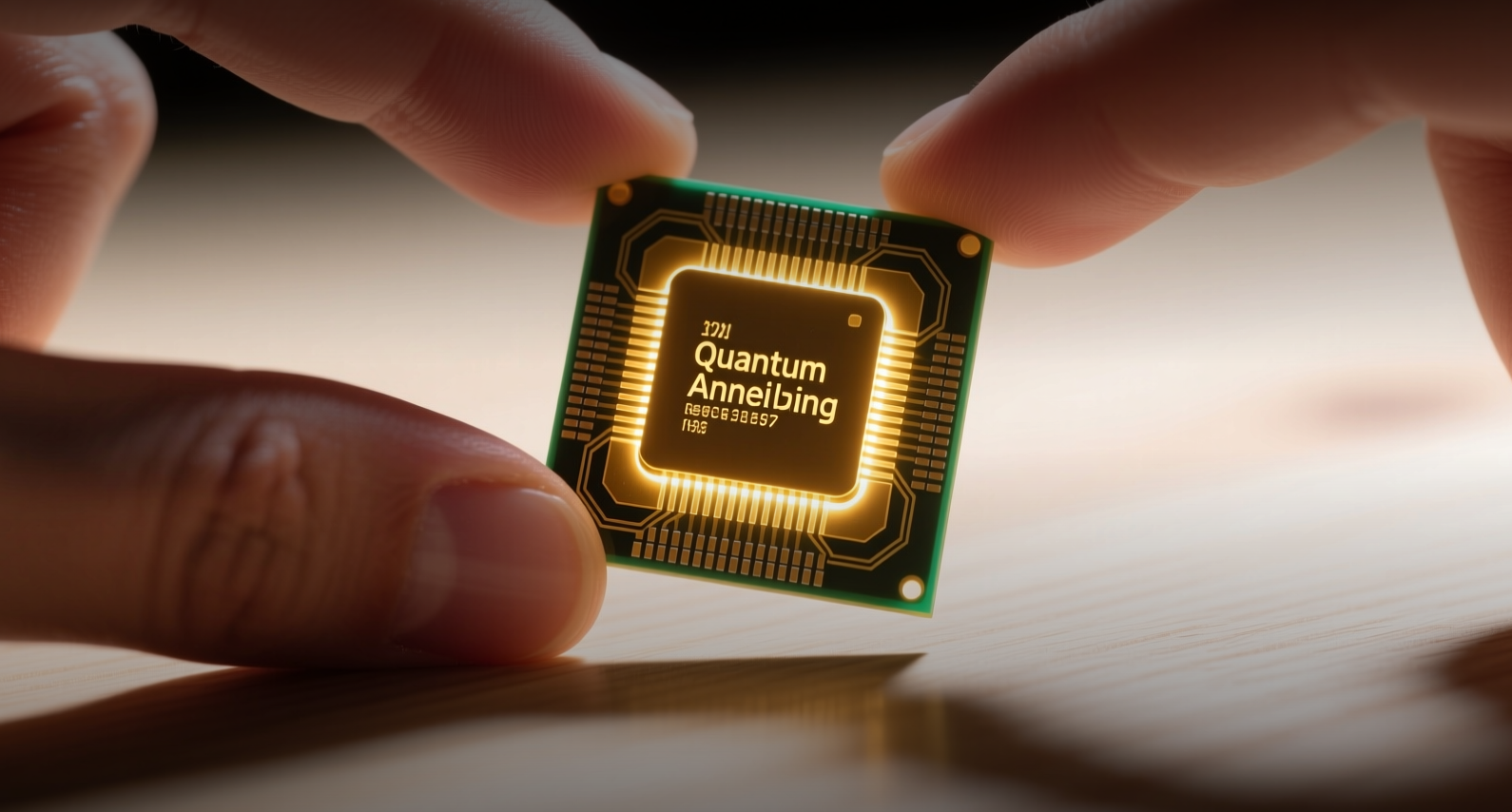
D-Wave Systems Inc. raised its system sales outlook after record bookings, showing accelerating commercial adoption of quantum annealing systems.
D-Wave Systems Inc. raised its system sales outlook after record bookings and surging customer demand, with larger deal sizes and recurring revenue expected to support growth through the second half of 2026. The Burnaby, British Columbia-based company cited strong adoption across commercial and government clients as the primary driver of the improved forecast, without disclosing specific revenue or percentage figures.
The raised outlook reflects a shift toward larger, multiyear agreements and a growing share of recurring revenue from cloud-based quantum services, the company said. D-Wave has been expanding installations of its Advantage quantum computer, which uses more than 5,000 qubits, and its Leap cloud platform, which allows customers to access quantum annealing systems remotely without purchasing hardware. The company reported that customer demand has accelerated as organizations move from pilot programs to production deployments.
D-Wave's guidance upgrade comes as the quantum computing sector gains traction among enterprises exploring optimization, machine learning and materials science applications. The global quantum computing market is projected to reach $8.6 billion by 2030, according to McKinsey, up from an estimated $1.2 billion in 2025, as industries from logistics to pharmaceuticals test quantum algorithms for real-world use cases. D-Wave's focus on quantum annealing positions it to capture a portion of the optimization segment, which analysts estimate could represent 30 percent to 40 percent of near-term quantum computing revenue.
The company competes with IBM's Quantum Network, which offers gate-based systems with more than 1,000 qubits, Google's Sycamore processor and IonQ's trapped-ion architecture, though D-Wave specializes in quantum annealing — a technique suited for combinatorial optimization problems rather than general-purpose quantum computing. This differentiation has helped D-Wave secure customers in logistics, manufacturing and financial services where optimization challenges are prevalent. The company has also been investing in hybrid quantum-classical computing solutions that combine its annealing systems with traditional high-performance computing infrastructure.
The improved sales outlook is likely to boost investor confidence in QBTS stock, which has gained about 15 percent year to date but remains volatile as the sector navigates the transition from research to commercial deployment. D-Wave's ability to convert pilot programs into production contracts will be key to sustaining the momentum through 2027, with the company targeting positive operating cash flow as recurring revenue from cloud services scales. The raised guidance suggests that quantum computing is beginning to deliver measurable business value for early adopters, a milestone that could attract broader enterprise investment in the technology.
This article is for informational purposes only and does not constitute investment advice.
