
Renewed U.S.-Iran hostilities sent Brent crude above $90 a barrel and pushed the Dow down 380 points, reviving inflation and rate-hike concerns.
Renewed U.S.-Iran hostilities sent Brent crude above $90 a barrel and pushed the Dow down 380 points, reviving inflation and rate-hike concerns.
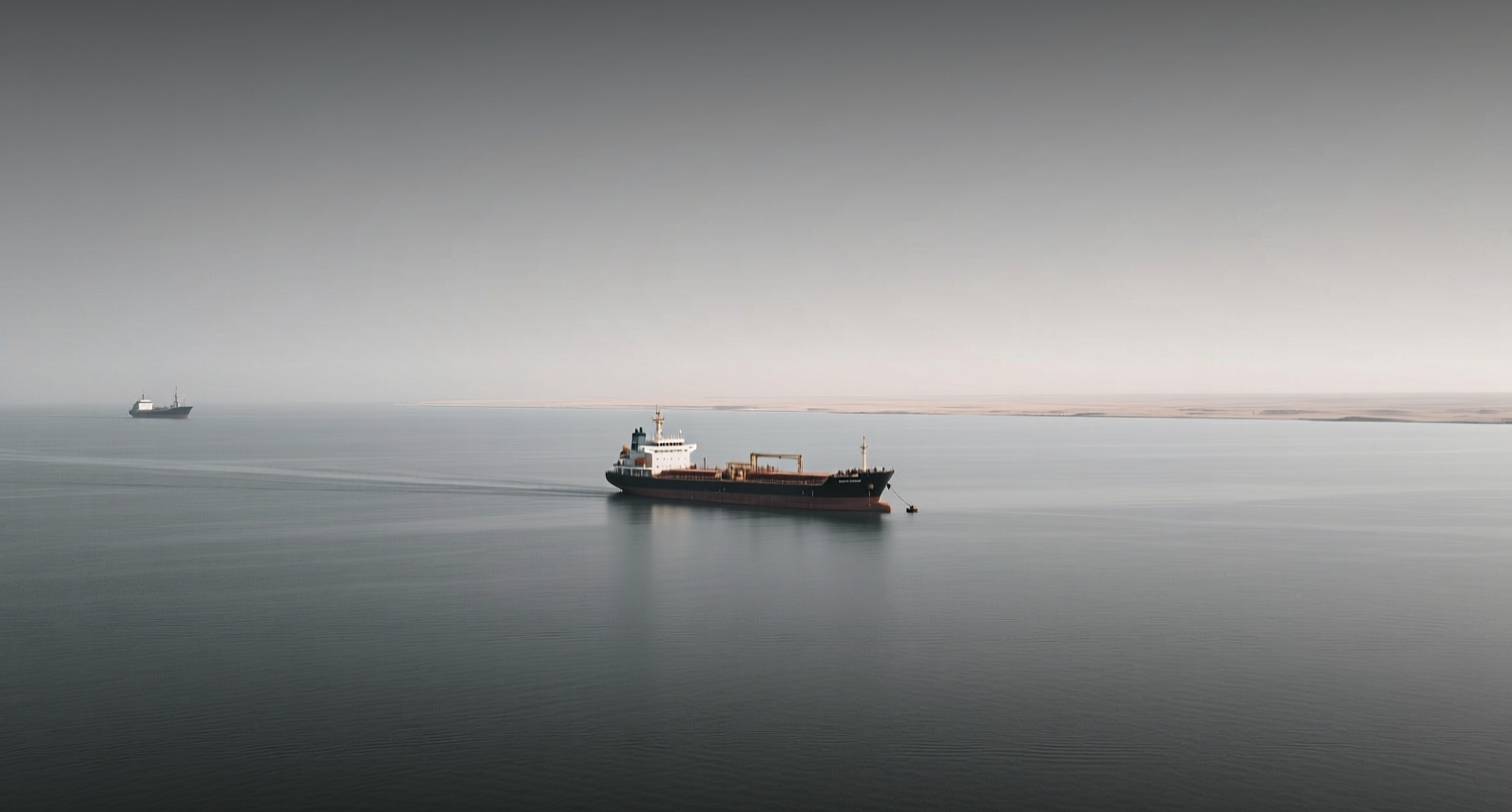
The Dow fell 380 points, or 0.7 percent, Monday as U.S.-Iran strikes pushed Brent crude above $90 and revived rate-hike expectations.
"For oil traders, the move is another reminder of how quickly the geopolitical premium can return," said Stephen Innes, managing partner at Quintex Intel. "Physical flows through Hormuz have improved materially from their worst levels, which is precisely why crude had started giving back some of the fear premium, but the latest exchange shows how fragile that progress remains."
The S&P 500 fell 0.4 percent and the Nasdaq Composite dropped 0.3 percent, with all three benchmarks still on track for monthly gains despite a volatile August. The U.S. struck Iranian rocket launchers on Larak Island in the Strait of Hormuz on Sunday, its first strikes on the country in a month, and Tehran retaliated with missiles targeting U.S. military positions in Jordan. The exchange came as the U.S.-Iran war hit the six-month mark, with the strait — through which roughly a fifth of global crude and gas normally passes — largely closed.
The renewed conflict complicates the inflation outlook just as the Fed weighs its next move. Traders now see a nearly 60 percent chance of a rate hike at the September meeting, up from 41.4 percent a week ago, after Fed Chair Kevin Warsh said policymakers may need to increase rates if inflation doesn't ease to the 2 percent target. The Personal Consumption Expenditures index, the Fed's preferred gauge, came in hotter than expected, and elevated energy costs are adding further pressure.
Brent crude climbed more than 2 percent to trade above $90 a barrel, erasing some of last week's declines as traders repriced supply risk through the Strait of Hormuz. The U.S. Strategic Petroleum Reserve stands at its lowest level since 1982 at 289.7 million barrels, limiting Washington's ability to calm markets through emergency releases. President Donald Trump is scheduled to meet oil refining executives Tuesday to address soaring domestic gasoline prices, which have become a political liability ahead of midterm elections.
Energy stocks were among the few gainers as crude prices jumped, while rate-sensitive sectors faced pressure from the hawkish repricing in Fed expectations. The selloff was broad-based, with the Dow's 380-point decline representing its worst single-day drop in recent weeks.
The market's reaction shows how intertwined the geopolitical and monetary policy narratives have become. Higher energy costs feed directly into inflation readings, and the Fed's response to those pressures now dominates equity positioning. The CME FedWatch tool shows the probability of a September rate hike has surged from 41.4 percent a week ago to nearly 60 percent, a dramatic shift that has rippled through rate-sensitive sectors.
Key U.S. jobs data due Friday will provide the next major test for the market. Any strength in employment numbers would give the Fed room to focus on the inflation side of its mandate, potentially cementing expectations for a September hike. Conversely, a weak print could ease some of the pressure on equities.
All three major indexes remain on track for monthly gains despite Monday's decline, showing the resilience of the August rally even as geopolitical and monetary headwinds intensify. The question for investors is whether the oil-driven inflation shock can be contained or whether it marks the beginning of a more sustained repricing.
This article is for informational purposes only and does not constitute investment advice.
