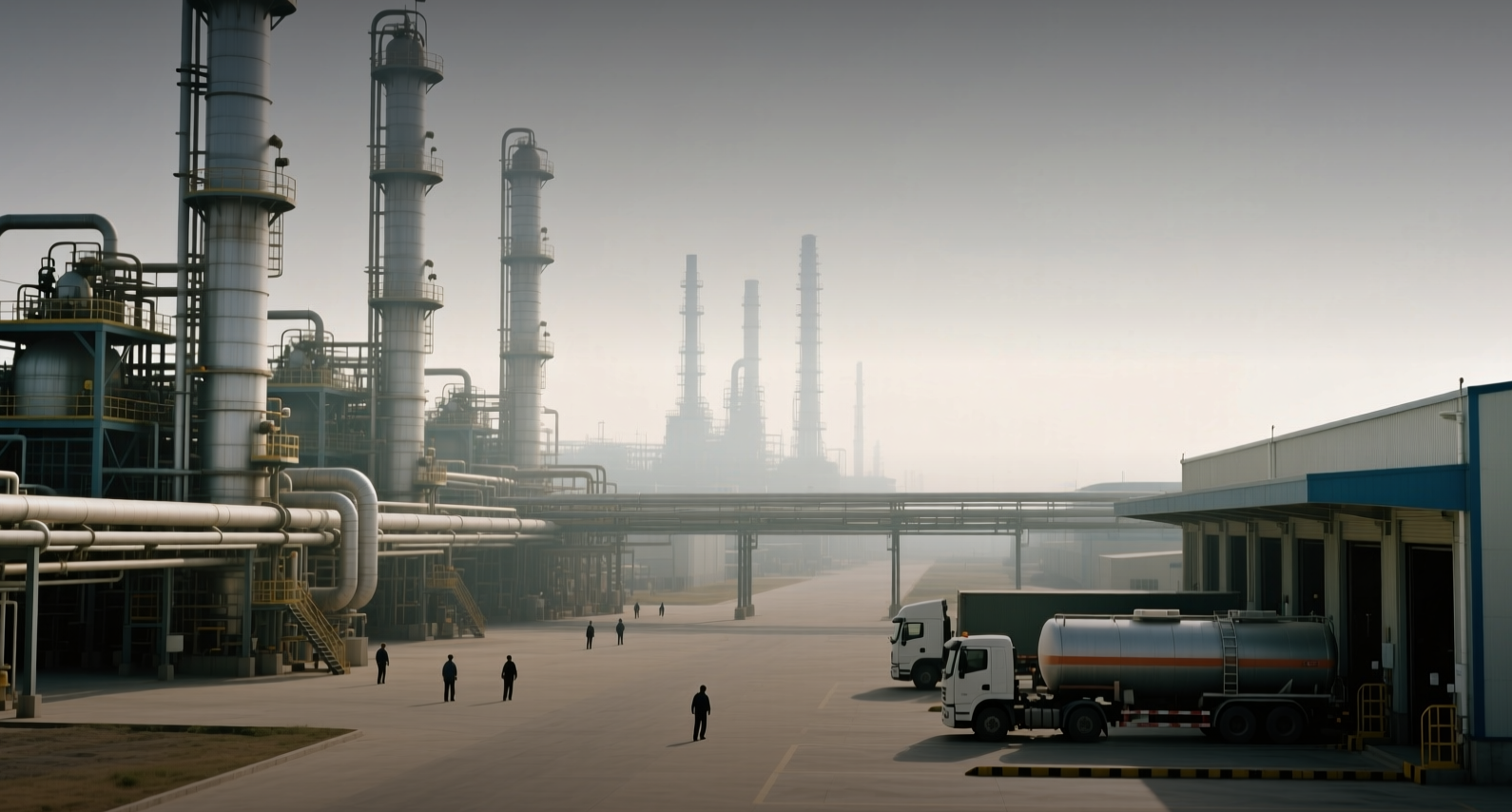
Crude is flowing back through the Strait of Hormuz, but refineries cannot be relocated — and that structural gap is now pricing diesel at record premiums.
Goldman Sachs more than doubled its 2027 diesel refining margin forecasts on Aug. 29, lifting the U.S. outlook to $63 a barrel from $27 and Europe to $49 from $19, as a shortfall in global refining capacity outlasts the crude supply recovery.
"Crude can reroute, but refineries cannot be moved — that is what makes this shortage different from prior supply shocks," Goldman analysts wrote in the report.
Global refined-product exports have fallen about 6 million barrels a day, or 25 percent, year over year, with the Persian Gulf down 3.2 million and Russia down 1.1 million — roughly three-quarters of the shortfall. Persian Gulf crude exports have recovered to 70-80 percent of pre-war levels, yet refined-product exports remain near 40 percent. Diesel margins are up 225 percent year over year and jet fuel 234 percent, versus 34 percent for crude.
The gap is squeezing airlines, freight and trucking while handing record margins to U.S. and European refiners. Goldman expects global refinery utilization to normalize only in the second half of 2027, locking in diesel's premium for more than a year.
Refining Runs Down 7 Million Barrels a Day
Global refinery outages run about 60 percent above seasonal norms, with Goldman estimating refining runs down nearly 7 million barrels a day year over year. U.S. plants are operating at their highest seasonal utilization since 1998, according to EIA data, while Asian refiners face crude supply constraints and new capacity is insufficient to offset persistent outages. Six months of shortfall have begun to drain inventories: U.S. diesel stocks are down 9 percent year over year and gasoline 7 percent, with distillate inventories at a record low of 103.4 million barrels for this time of year.
The divergence between crude and products is stark. Global crude exports are down just 10 percent year over year, while diesel, jet fuel and fuel oil exports have fallen 22 percent, 20 percent and 32 percent, respectively. Since February, diesel has contributed more than 40 percent of the $40-a-barrel rise in global refined-product prices, forcing Goldman to lift its forecasts.
Freight Rates Signal a Slow Recovery
Shipping markets are not pricing a quick fix. Term charter rates for Persian Gulf-to-China voyages for May 2027 delivery have risen about fivefold in a month, suggesting traders expect the disruption to persist well into next year. Brent crude traded near $87 a barrel Thursday, heading for its first weekly decline in three weeks as diplomatic efforts to reopen the Strait of Hormuz advanced, with Qatar's prime minister set to visit Iran and Tehran in talks with Oman over the waterway's oversight.
Yet optimism over Hormuz is outpacing actual supply recovery. ING strategists cautioned that any accord would not automatically normalize oil flows, and a true rebound would require Washington to lift its blockade on Iranian ports and ease sanctions. HSBC trimmed its 2026 Brent forecast to $80 a barrel from $95 on the assumption that Gulf exports normalize by the end of September.
The refining bottleneck reshapes winners and losers across the energy complex. U.S. and European refiners with downstream assets capture record margins as swing suppliers of fuel, while airlines, trucking and freight operators absorb higher costs. For consumers, the strain is visible at the pump: average U.S. gasoline prices rose 6 cents to $3.88 a gallon in the week to July 11, AAA data showed, with stockpiles at their lowest seasonal level since 2012.
This article is for informational purposes only and does not constitute investment advice.