

Apple's first foldable iPhone could debut in the US alone this fall, with output capped at 7 million units and pricing unresolved.
Apple's first foldable iPhone could debut in the US alone this fall, with output capped at 7 million units and pricing unresolved.
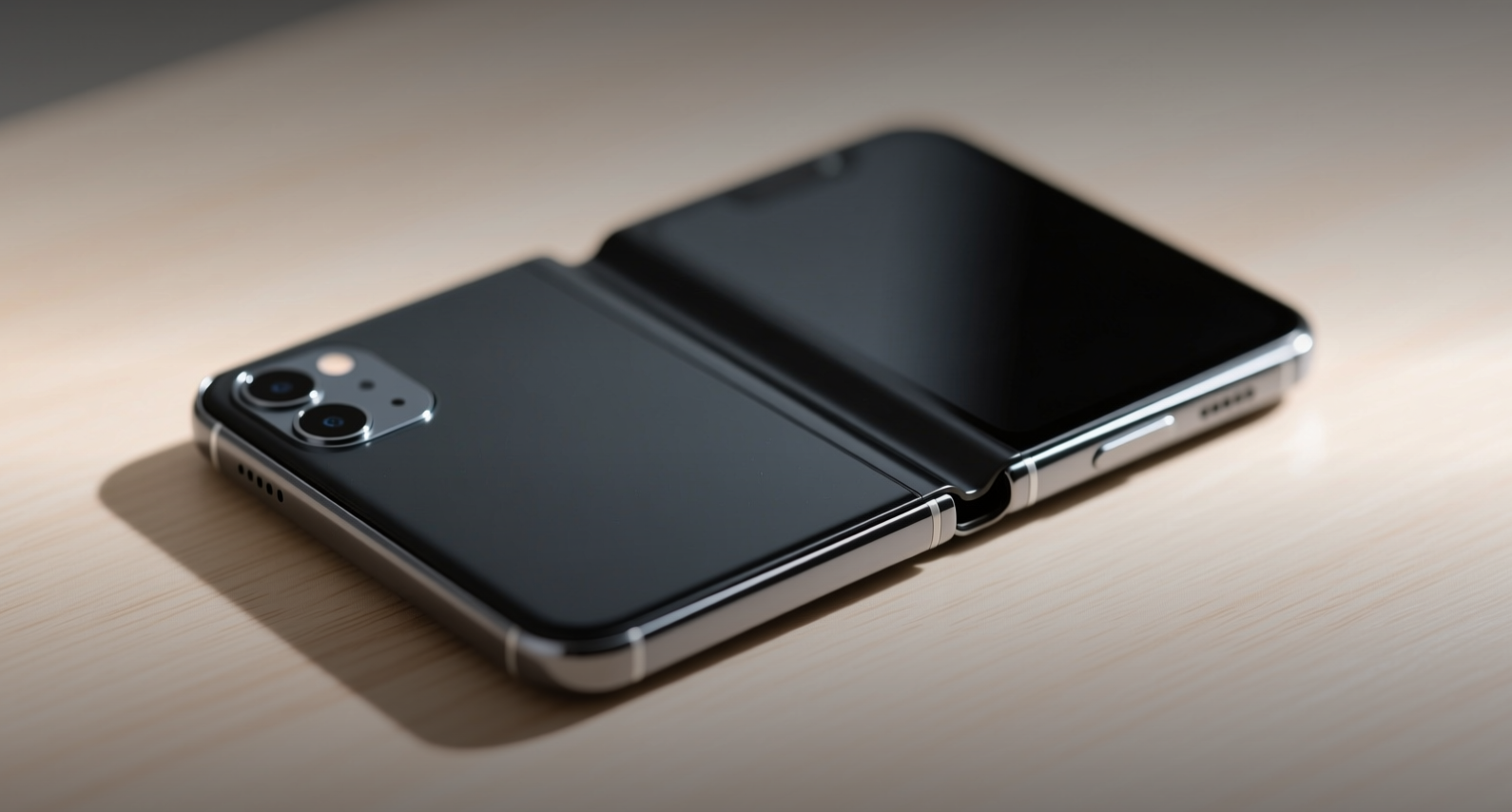
Apple's first foldable iPhone, the iPhone Ultra, may launch in the US only at first, with output capped at 7 million units and pricing unresolved at its September event.
A major Chinese component supplier told ChannelNews Australia that the delay is "primarily down to supply and pricing issues," adding that Apple is "also having testing issues with production models that have already been built."
Mass production, originally planned for June, slipped to early August and has slipped again, with Foxconn still making "adjustments" in late July. Suppliers expect only 7 million units in the second half of 2026, far below a typical iPhone launch. Australian carriers and a major retailer confirmed the foldable will be a "no show" when the iPhone 18 range lands locally, with availability trailing the US by two to three months.
The constrained rollout hands Samsung, whose Fold 8 launched last month at A$2,999 for 256GB, an opening in the premium foldable market. Apple's device is tipped to cost up to A$700 more, and Bloomberg's Mark Gurman said there is "no doubt" the foldable ships after the iPhone 18 Pro and Pro Max in September.
The hinge and foldable display are the sticking points, suppliers said, with current engineering solutions not enough to solve the problems. Apple has used a regional rollout before: the Vision Pro headset launched in the US first before reaching other countries months later. Analyst Ming-Chi Kuo expects suppliers to ship only 7 million to 8 million foldable iPhones during 2026, mirroring the iPhone X, which debuted in September 2017 but did not hit stores until later.
The device is expected to feature a 7.8-inch inner display and a 5.5-inch outer screen, according to recent reports. Apple management is not expected to reveal pricing at the September event, with the foldable tipped to be priced significantly higher than current iPhone models because of the component crisis. Apple has not confirmed the foldable or its launch plans, and 9to5Mac questioned the September 8 date cited by ChannelNews, noting Apple is unlikely to hold its iPhone event immediately after Labor Day on September 7. The report's US-only claim, based on sources in China and Australia, may also overstate the scope of the initial rollout, the outlet said.
Samsung's new foldable range, including the small-format Fold 8, launched last month and is available this week at JB Hi-Fi, The Good Guys and Australian carriers. With Apple's foldable priced up to A$700 above the Fold 8's A$2,999 tag, Samsung holds the premium foldable market to itself for now.
For investors, the staggered launch tempers near-term revenue expectations from a device expected to cost more than $2,000, while marking Apple's entry into a foldable market Samsung has dominated since its first Galaxy Fold in 2019. Component suppliers face pressure from constrained volumes, though a successful rollout could position Apple to capture share in a category that has grown steadily. Apple shares and its supply chain partners could see mixed moves as the market weighs limited initial volumes against the long-term opportunity, with the foldable's eventual pricing and availability likely to determine how quickly the device contributes to revenue.
This article is for informational purposes only and does not constitute investment advice.
