
Iran said it is close to an agreement with Oman on managing Strait of Hormuz shipping, yet crude held near six-week highs as a reported attack on Saudi Aramco's Red Sea facilities kept supply risk elevated.
Iran said it is close to an agreement with Oman on managing Strait of Hormuz shipping, yet crude held near six-week highs as a reported attack on Saudi Aramco's Red Sea facilities kept supply risk elevated.
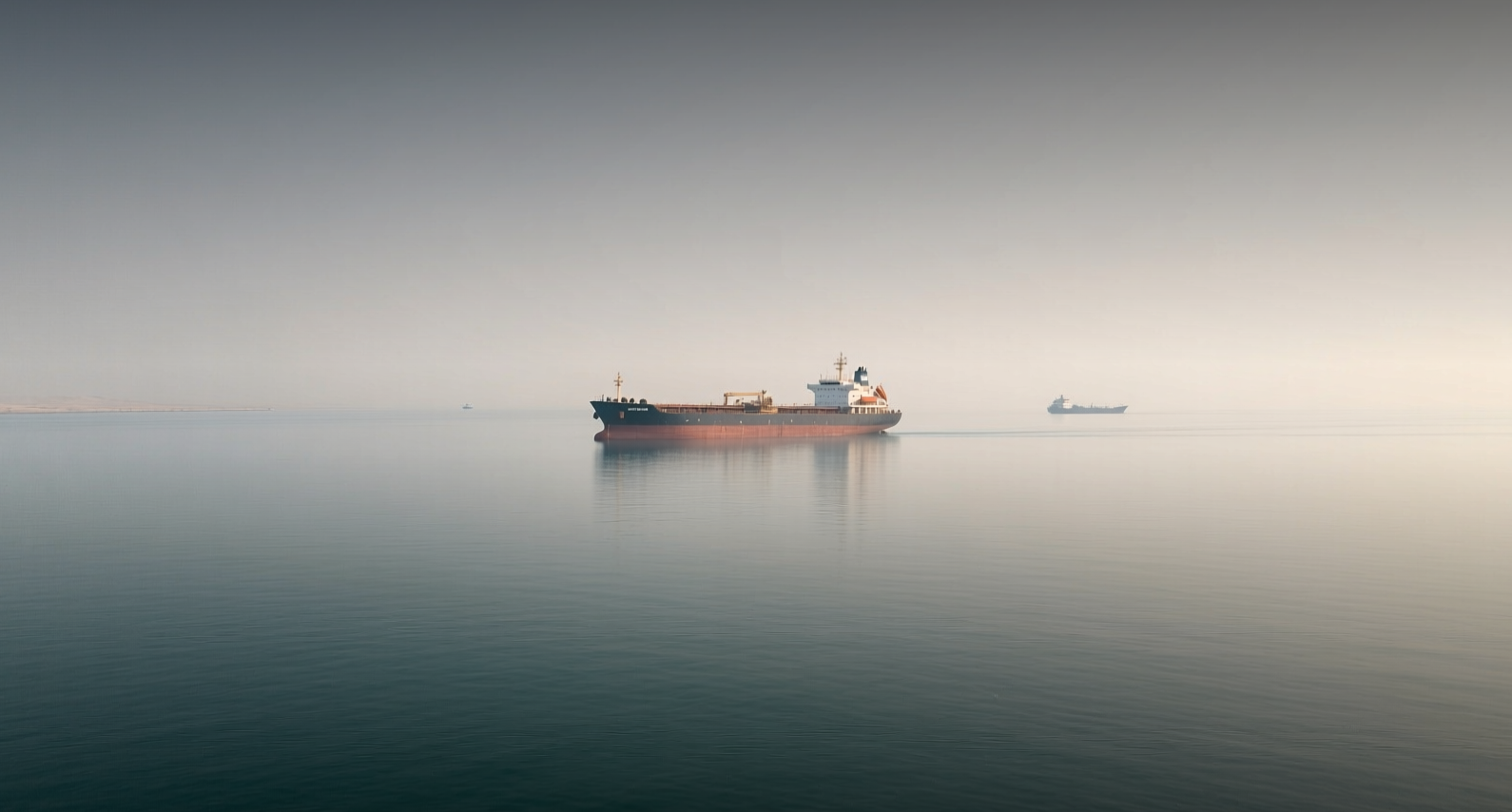
A possible Iran-Oman pact to manage Strait of Hormuz traffic has yet to cool crude, with Brent holding near $97 after a reported strike on Saudi Aramco's Red Sea facilities.
U.S. Energy Secretary Chris Wright said last week that about 8 million barrels of oil a day were still being exported from the Persian Gulf, evidence that flows through the strait have not been severed. Kpler data show an average of only about 10 commodity ships passed through Hormuz daily over the prior 10 days, the lowest level since May.
Brent settled at $96.97 a barrel and West Texas Intermediate at $92.33 on Monday, both at six-week highs, after rising about 1.2 percent on the day. Iran's Islamic Revolutionary Guard Corps said it had targeted three tankers traveling unauthorized routes through the strait, while U.S. forces struck three Iranian oil tankers over the weekend. Crude has climbed more than 30 percent since the war began in late February.
The outcome hinges on whether the Iran-Oman accord, which Tehran says would include temporary safe corridors for transiting vessels, becomes a confirmed deal. If it does, supply disruption risk could ease and pull prices lower; if talks stall or attacks escalate, Goldman Sachs has warned Brent could reach $120 a barrel.
Iran said the agreement with Oman was in its final stages and would include temporary safe corridors for ships crossing the strait, which carries roughly a fifth of global oil supply. Tehran also warned that vessels sailing in waters near Oman face the risk of attack, and threatened retaliation against any new U.S. strikes, saying energy infrastructure across the Persian Gulf remains highly vulnerable.
Some tankers have been sailing with their Automatic Identification System switched off to avoid revealing their location, according to reports. The last time traffic through Hormuz fell to comparable levels was in May, when a similar standoff curbed transits before flows recovered. A sustained reduction in tanker movement would mark a sharper break than that episode, since roughly 20 percent of the world's seaborne crude passes through the waterway each day.
Saudi Aramco's oil facilities in Jizan, near the Red Sea coast, were hit again on Monday, with damage still being assessed, according to the Financial Times. The complex includes a refinery capable of processing about 400,000 barrels of crude a day. No group has claimed responsibility, and Aramco has not commented.
The attack came about a month after an earlier strike temporarily disrupted production at the same refinery. Amin Nasser, Aramco's chief executive, said after that incident that there had been some disruption to output but no material impact on operations or finances. The renewed fighting has also reopened the Bab al-Mandeb Strait as a risk to Saudi exports, which have been rerouted from the Gulf because of the Hormuz restrictions.
For global markets, the two chokepoints compound one another. A prolonged Jizan outage would remove refining capacity on the Red Sea coast at a time when Hormuz transits are already near multi-month lows, tightening product supply across Asia and feeding through to transport costs. Aramco shares closed at 25.96 riyals on Monday, down 0.15 percent, with Saudi trading ending before the scale of any operational effect was known. Traders now watch for an Aramco or Saudi energy ministry statement on the affected units and restart timetable, along with any confirmation of the Oman corridor deal, as the clearest signals of where prices head next.
This article is for informational purposes only and does not constitute investment advice.
