

Micron Technology's 25% correction from a record high near $1,255 marks the steepest pullback in the AI memory leader's rally, as investors confront the cyclical nature of the semiconductor industry.
Micron Technology's 25% correction from a record high near $1,255 marks the steepest pullback in the AI memory leader's rally, as investors confront the cyclical nature of the semiconductor industry.
Micron Technology's 25% correction from a record high near $1,255 marks the steepest pullback in the AI memory leader's rally, as investors confront the cyclical nature of the semiconductor industry.
Micron Technology shares have fallen about 25% from a record high near $1,255 in late June, as investors weigh whether the AI-driven memory boom is approaching a cyclical peak despite record financial results.
Micron posted record quarterly revenue of $41.46 billion in its fiscal third quarter, up 346% from a year earlier, with adjusted earnings per share of $25.11 that exceeded Wall Street estimates. Gross margins reached roughly 85%, and management projected about $50 billion in revenue for the current quarter, according to the company's earnings release.
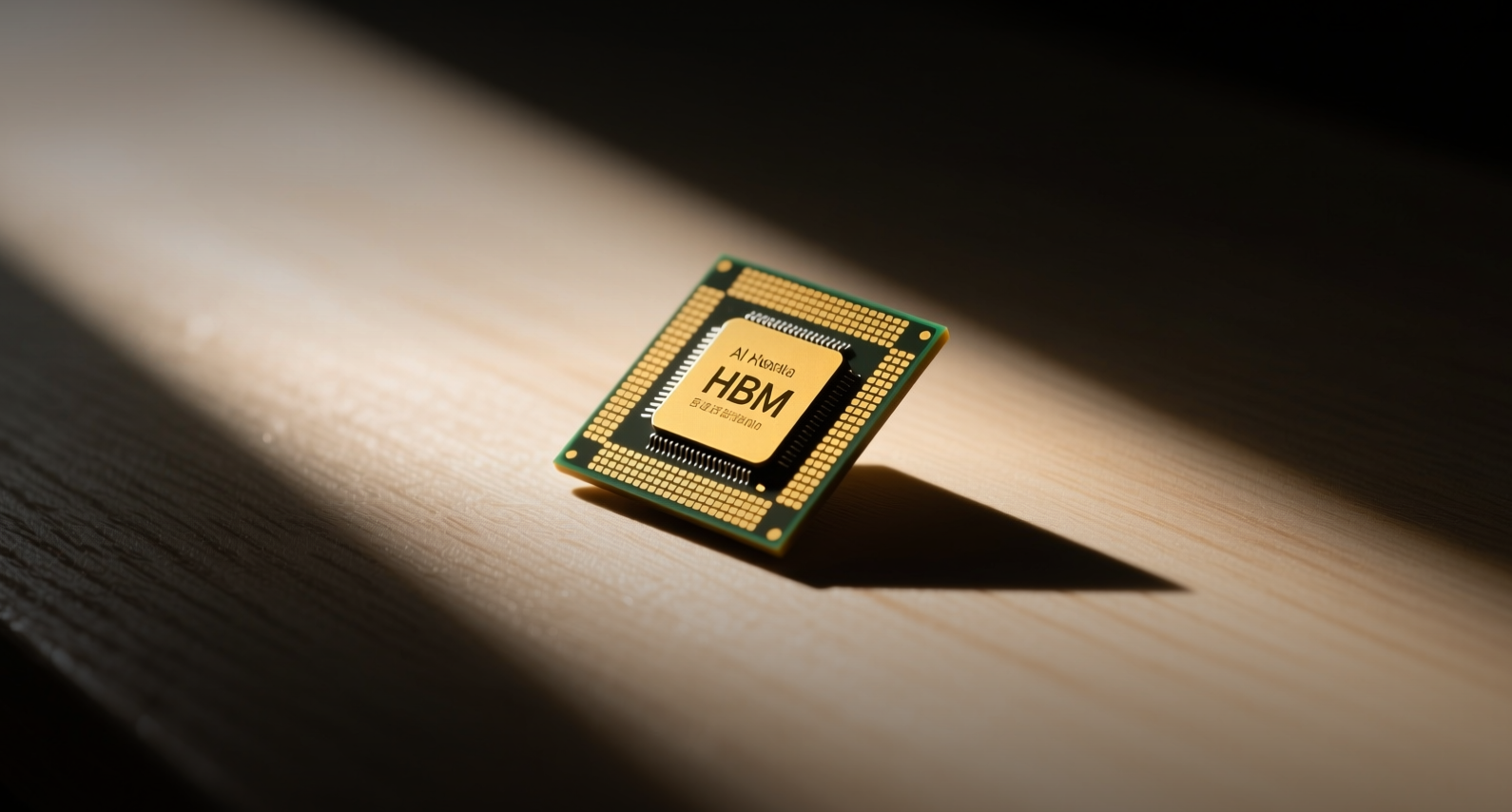
The selloff reflects multiple concerns beyond the earnings report. Samsung Electronics and SK Hynix are ramping up investments to expand memory production capacity, fueling expectations that current shortages of high-bandwidth memory (HBM) and DRAM chips could ease in coming years. Chinese memory maker CXMT has also emerged as a competitive threat, with reports suggesting some customers are exploring alternative suppliers.
The correction has coincided with broader weakness across semiconductor and AI-related stocks, as investors scrutinize whether hyperscalers can generate sufficient returns from massive data center investments. Micron shares, which had rallied more than 700% over the past year, now trade near $920, down from the June peak.
Competitive Threats Mount as Supply Concerns Grow
Samsung and SK Hynix's aggressive capacity expansion plans have intensified worries that the memory industry's current pricing power may be unsustainable. Historically, strong profitability in the memory sector attracts new capacity, eventually leading to oversupply, lower prices, and weaker margins — a pattern investors fear may repeat. CXMT's emergence as a potential alternative supplier adds another layer of uncertainty to Micron's future pricing power.
Despite the correction, Micron's near-term outlook remains supported by long-term supply agreements backed by billions of dollars in customer commitments. The company continues to invest in advanced memory technologies and new U.S. fabrication facilities. Management expects tight market conditions to persist through at least 2027, with only gradual supply improvements thereafter.
For investors, the key question is whether Micron's current earnings strength can be sustained. The company trades at a valuation that reflects peak-cycle concerns, yet its revenue has grown more than fourfold year-over-year. The divergence between record financial performance and a 25% stock decline suggests the market is looking past near-term results to the inevitable cyclical downturn that has historically followed memory industry booms.
This article is for informational purposes only and does not constitute investment advice.
