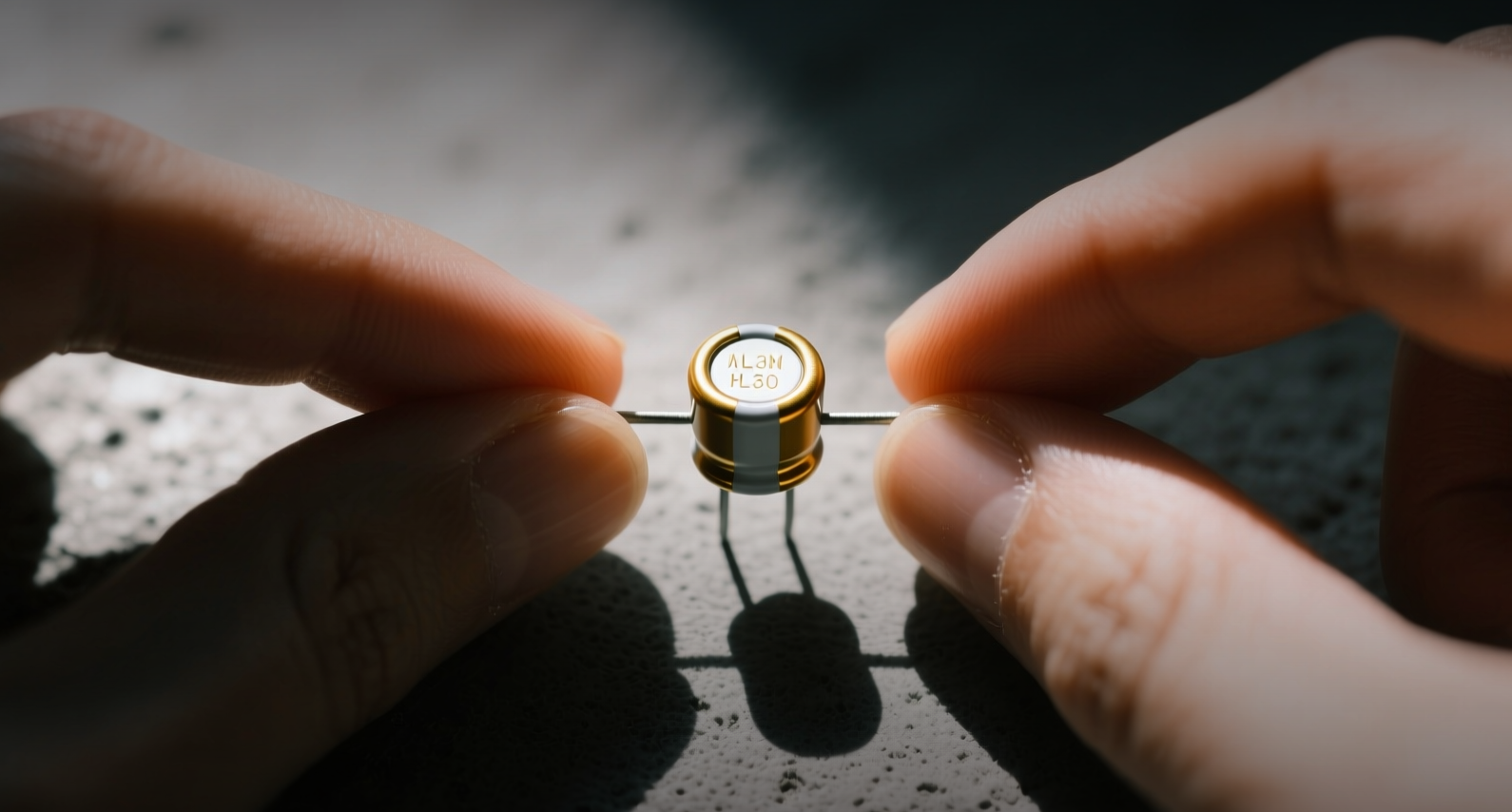
AI data center buildout has stretched multilayer ceramic capacitor lead times to 16 months, with urgent orders fetching two to three times list price as Yageo, Murata and Taiyo Yuden steer capacity toward AI server customers.
AI data center buildout has pushed multilayer ceramic capacitor (MLCC) lead times to 12-16 months, and urgent orders are fetching two to three times list price as Yageo, Murata and Taiyo Yuden prioritize AI server customers over smaller buyers. The passive components — tiny capacitors that regulate voltage in nearly every electronic device — have become the latest bottleneck in a supply chain already strained by memory shortages and packaging constraints.
"Demand is very strong," Yageo said, noting that more AI-related customers are seeking to lock in capacity for six months to years ahead to avoid future supply risk. The Taiwanese maker, the world's largest MLCC supplier, said the squeeze spans capacity utilization, customer new projects and long-term agreement demand.
Yageo expects standard-product capacity utilization to rise from about 80 percent in the second quarter to above 90 percent this quarter, with special products holding above 90 percent as the company pushes toward full loading. It is expanding output across Kaohsiung, Suzhou, Vietnam and Mexico, with new capacity releasing quarterly as equipment arrives. Murata, the global leader, raised its annual profit guidance with data center buildout a key driver, while Taiyo Yuden said AI server demand exceeded expectations and that the market is shifting toward higher-capacitance parts that lift MLCC content per device.
Lead Times at 16 Months Squeeze Smaller Buyers
The extended lead times are hitting smaller customers hardest. Major manufacturers are allocating existing capacity to large clients and long-term partners, while AI servers and data centers absorb an outsized share of new output. That leaves mid-sized electronics makers with thin inventories and few options, forcing some to bid two to three times list price for spot supply in a "highest bidder wins" scramble, according to Taiwan's Economic Daily.
The shortage echoes the memory crunch rippling through the same AI buildout. DRAM contract prices are expected to rise 13 to 18 percent this quarter after jumping 58 to 63 percent in the prior quarter, per TrendForce, as Samsung, SK Hynix and Micron divert wafers to high-bandwidth memory for data centers. Apple, the largest buyer of advanced components, has already raised Mac and iPad prices after memory costs climbed, and Microsoft and Sony lifted console prices in recent months. The MLCC squeeze adds a second input-cost shock for device makers already absorbing memory inflation.
Pricing Power Shifts to Suppliers
The winners are the component makers. Yageo, Murata and Taiyo Yuden hold pricing power in a market where AI customers and consumer-device makers bid for the same capacity, and the AI customers pay more. A-share MLCC names rallied on the news, with Yunzhong Technology and Longxin Intelligent up more than 10 percent and Fenghua Advanced Technology near limit-up, while Guoci Materials, Boqian New Materials and Jiemei Technology also gained.
The losers are downstream hardware makers without scale. Gartner expects the sub-$500 entry-level PC segment to disappear by 2028 because there is no margin left to absorb component cost inflation, and a Global Electronics Association survey found 62 percent of manufacturers already dealing with constrained availability or extended lead times. Yageo's capacity additions will ease the squeeze over coming quarters, but with AI server demand still accelerating and lead times at 16 months, the pricing power now sits with suppliers — and it is not expected to fade before 2027.
This article is for informational purposes only and does not constitute investment advice.