
Key Takeaways: The average 30-year fixed mortgage rate jumped to 6.87% Monday, the highest since June 2025, as renewed Middle East hostilities pushed oil prices up and bond yields along with them.
Key Takeaways: The average 30-year fixed mortgage rate jumped to 6.87% Monday, the highest since June 2025, as renewed Middle East hostilities pushed oil prices up and bond yields along with them.
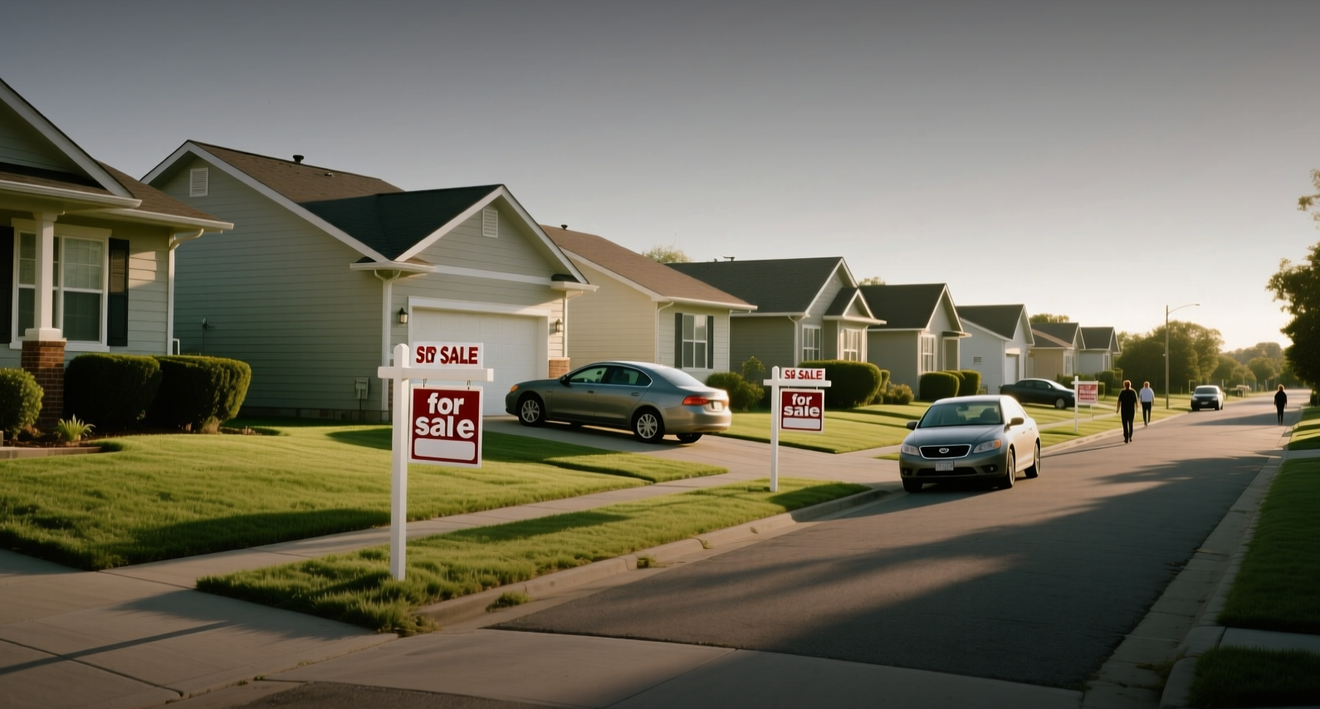
The average rate on the 30-year fixed mortgage jumped 6 basis points Monday to 6.87 percent, the highest since June 2025, as renewed Iran hostilities pushed oil prices higher and bond yields followed.
"While rates are technically at their highest level in more than a year, they haven't exactly exploded with surprising, new momentum," said Matthew Graham, chief operating officer at Mortgage News Daily. "Instead, it's been more of a slow grind fueled by the usual suspects: inflation expectations, elevated bond issuance, and economic resilience."
The rate is up 12 basis points since Thursday and has climbed more than 30 basis points over the past two months. The day before the war with Iran began at the end of February, the 30-year fixed rate stood at 5.99 percent. For someone buying a $450,000 home — roughly the national median — with 20 percent down on a 30-year fixed mortgage, the monthly principal and interest payment now comes to $2,363, or $207 more than it would have been at the end of February.
Higher financing costs are squeezing affordability at a time when home prices are accelerating again. Nationally, prices in June rose 1.5 percent year over year, up from a 1.2 percent gain in May, according to the latest S&P Cotality Case-Shiller home price index. "As financing costs are kept high for prospective buyers, current homeowners remain reluctant to give up the low mortgage rates secured in prior years," said Rebecca Kaufman, associate director of commodities at S&P Dow Jones Indices.
The surge tracks the 10-year Treasury yield, which lenders use as a guide for pricing home loans. Renewed attacks in the Iran conflict have pushed crude prices higher, feeding inflation expectations and driving bond yields up. Freddie Mac's separate weekly survey showed the average 30-year fixed rate at 6.66 percent as of Thursday, up from 6.65 percent the prior week and 6.56 percent a year ago. The 15-year fixed rate, often sought by borrowers refinancing a home loan, averaged 5.98 percent, up from 5.95 percent a week earlier and 5.69 percent a year ago.
The expectation had been for falling rates this year, but the war with Iran and its resulting rise in oil prices upended that outlook. All three of the factors Graham cited — inflation expectations, elevated bond issuance, and economic resilience — are subject to variability, meaning the trajectory of mortgage rates remains uncertain.
When rates rise, fewer borrowers qualify for a mortgage, as higher monthly payments shift the debt-to-income ratios that lenders rely on for safe lending. This comes on top of higher home prices, which appear to be accelerating again in some parts of the country due to lean supply. The combination of higher rates and rising prices is pushing more prospective buyers to the sidelines, keeping existing-home sales in a rut this year.
Higher mortgage rates can add hundreds of dollars a month in costs for borrowers, limiting purchasing power. As rates rise, that can lead prospective home shoppers to delay buying, one reason U.S. home sales remain sluggish this year.
The last time the 30-year rate traded near current levels was June 2025, when it briefly touched 6.87 percent before drifting lower through the summer and fall. That period saw a similar pattern: elevated inflation expectations and strong economic data kept bond yields elevated, and mortgage rates followed. The current episode differs in that geopolitical risk from the Iran conflict adds a supply-side shock to the equation, making the path of rates harder to forecast.
The path forward for mortgage rates hinges on several variables: whether oil prices stabilize or continue climbing, how inflation data evolves, and what the Federal Reserve signals at its next policy meeting. If crude prices keep rising, bond yields — and mortgage rates — could push higher still. If the conflict de-escalates and inflation cools, the slow grind lower that many expected at the start of the year could resume.
For now, buyers face a market where both financing costs and home prices are moving against them. The $207 monthly increase on a median-priced home translates to roughly $2,484 in additional annual costs, before accounting for taxes and insurance. For a household stretching to qualify at current rates, that difference can be the deciding factor between buying and waiting.
This article is for informational purposes only and does not constitute investment advice.
