
U.S. and Iranian forces traded their first public strikes in over a month, sending Brent above $90 and setting up a week where the August jobs report will test whether the energy shock bleeds into rate expectations.
U.S. and Iranian forces traded their first public strikes in over a month, sending Brent above $90 and setting up a week where the August jobs report will test whether the energy shock bleeds into rate expectations.
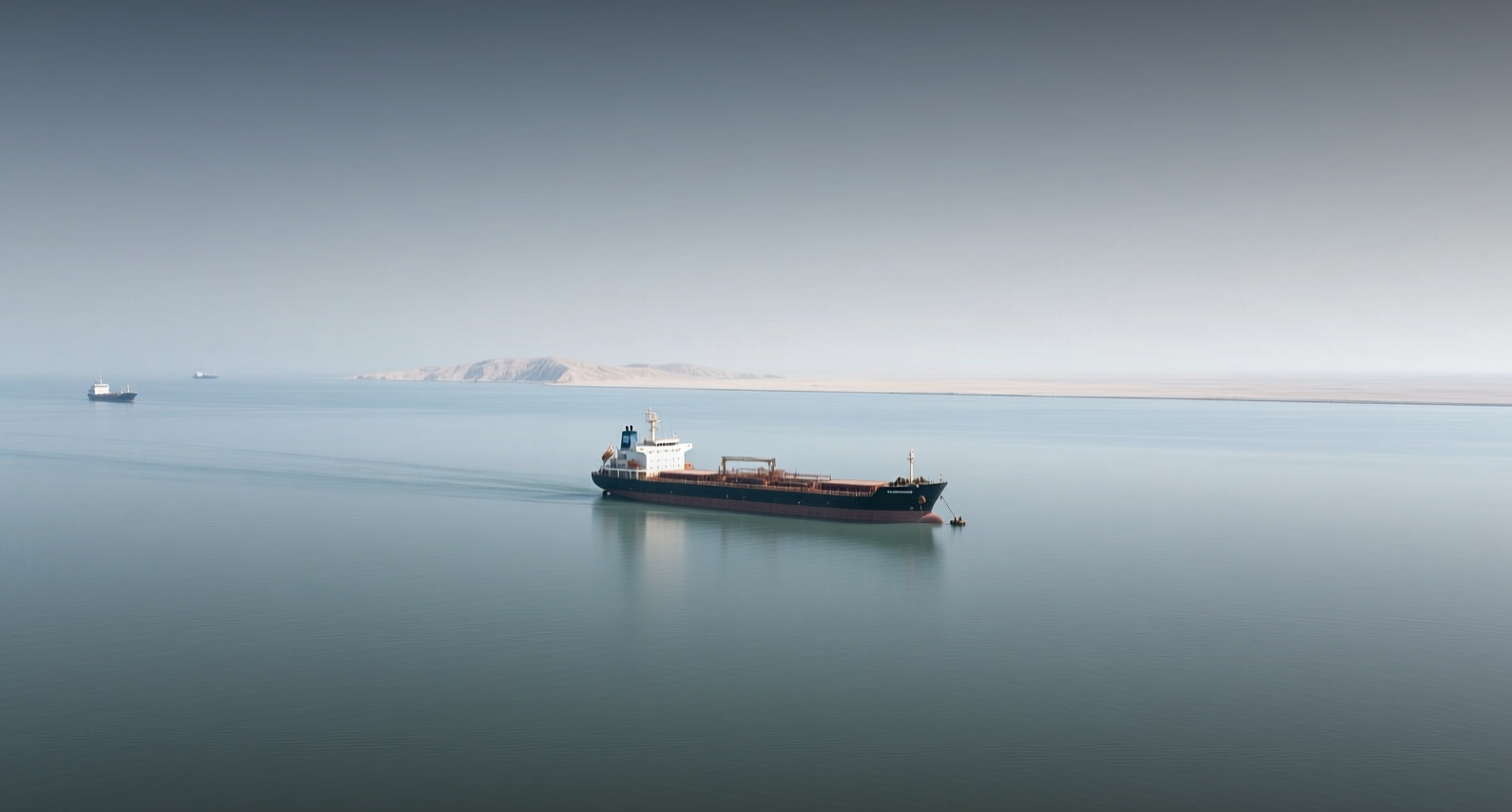
Brent crude jumped 3.8 percent to $91.40 a barrel Monday after U.S. forces struck Iranian rocket launchers on Larak Island in the Strait of Hormuz, with Tehran retaliating against American bases in Jordan and the UAE.
"Rising strikes on refineries in the Middle East and Russia have further constrained already-stretched global refining capacity, pushing refined product margins to new highs to incentivize refiners to run harder," Goldman Sachs commodities strategists wrote in a note to clients.
WTI crude climbed 3.8 percent to $86.58, while the Energy Select Sector SPDR ETF rose 2 percent to $64.18. Chevron gained 3 percent to $207.80 and Exxon Mobil advanced 3 percent to $161.31, though both had already run 36 percent and 33 percent year to date, respectively. The S&P 500 ETF fell 0.4 percent to $766.13 as the energy bid failed to lift broad benchmarks.
The escalation comes as the Trump administration pivots to "economic warfare" against Tehran, with Treasury Secretary Scott Bessent threatening sanctions against any nation doing business with the regime. The August jobs report due Friday will test whether the energy shock feeds into Federal Reserve rate expectations, with the national average gasoline price at $4.08 a gallon and midterm elections roughly two months away.
Hormuz Traffic at Half of Prewar Levels
U.S. Central Command said it struck two Iranian rocket launchers on Larak Island after observing IRGC forces "preparing to launch rockets with sea mines into the Strait of Hormuz." Iran responded with ballistic missiles and drones targeting U.S. bases in Jordan and the UAE; Jordanian air defenses intercepted eight missiles, according to Al-Mamlaka TV.
Visible commodity-vessel traffic through the strait has dropped to around five ships per day, less than half the prewar norm, and UK Maritime Trade Operations warned that a tanker transiting the waterway was struck by an unknown projectile on Saturday. CENTCOM dismissed an IRGC claim of mining a supertanker as "yet another IRGC attempt to intimidate regional commercial shipping through disinformation." As of Aug. 30, 83 commercial vessels had been redirected, three disabled, and two boarded under the U.S. blockade of Iranian ports.
The strait handles roughly 21 percent of global oil trade, and the last time Brent traded above $100 was during earlier phases of the six-month war, when it peaked at $114.58 on April 7. Monday's move retraces part of last week's 4 percent decline in both benchmarks, with WTI near $83.90 on Aug. 25 after touching $89.75 on Aug. 20. The current level sits above the $60 to $80 range the EIA classifies as moderate, and well beneath the year's high.
Refining Crunch and the Jobs Report
Goldman Sachs expects a decline of roughly 7 million barrels per day in global refined product runs as attacks on refineries in the Middle East and Russia constrain supply. That backdrop keeps refined product margins elevated even as crude flows from the Persian Gulf have recovered to about two-thirds of prewar levels at around 15 million barrels per day.
The August jobs report, due Friday, will be the week's macro centerpiece. With the national average gasoline price at $4.08 a gallon, per AAA, energy costs remain a political liability for the White House heading into November midterms. Treasury's sanctions push, including last week's action against Emirati branches of Banque Misr for allegedly funneling $1.8 billion to the Iranian regime, faces a structural constraint: Chinese refiners buy roughly 90 percent of Iran's crude exports, a critical revenue lifeline for Tehran. Any escalation that pushes gasoline prices higher would sharpen the political stakes for the administration.
President Trump said Monday the U.S. would "hit them hard" in response to Iran's attacks, while Iran's foreign ministry said it would "respond decisively" to any military aggression. Anwar Gargash, senior foreign policy adviser to the UAE's leadership, wrote on X that "the state of neither war nor peace cannot be a sustainable solution."
The risk premium in crude is among the most reversible in energy markets. If Hormuz transit normalizes or the conflict de-escalates, the bid in Chevron and Exxon Mobil could unwind quickly, given both stocks have already gained more than a third this year. For now, the market is pricing supply optionality across the curve, with Brent holding above $90 and WTI above $85. Traders sizing exposure face a two-way risk: the same wire headline that pushed crude up 3 percent on Monday could reverse the move entirely if diplomatic channels reopen.
This article is for informational purposes only and does not constitute investment advice.
