
WTI crude climbed to $86.35 a barrel as the US and Iran traded strikes around the Strait of Hormuz, with both sides bracing for months of conflict.
WTI crude climbed to $86.35 a barrel as the US and Iran traded strikes around the Strait of Hormuz, with both sides bracing for months of conflict.
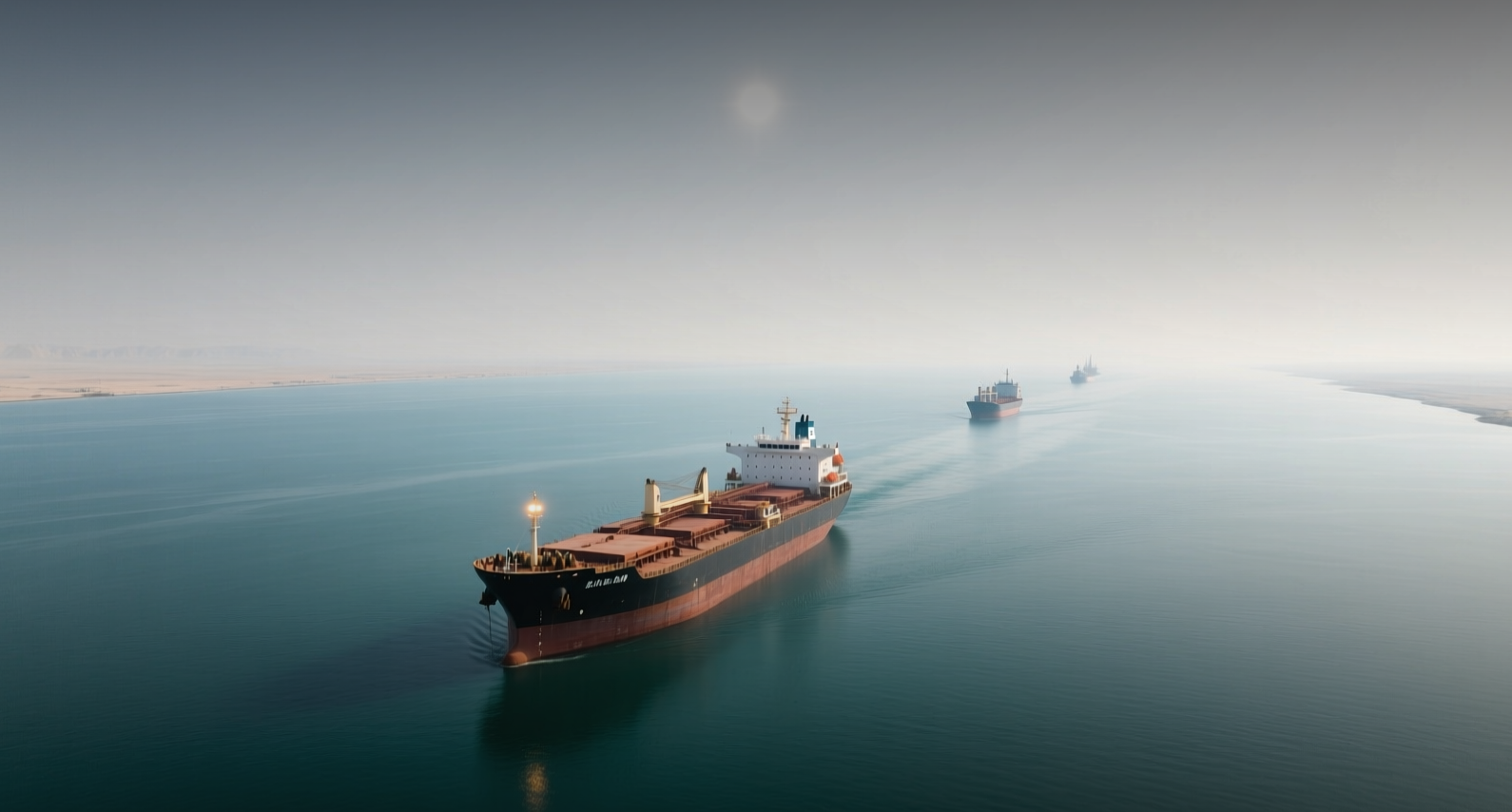
WTI crude futures rose 0.7 percent to $86.35 a barrel as the US and Iran escalated attacks on each other, raising the prospect of prolonged disruption to the Strait of Hormuz, the waterway that carries one-fifth of the world's oil.
"Officials from both sides are now preparing for the conflict to drag on for months as talks are deadlocked," ANZ Research analysts said in a research report.
The escalation began when US forces struck two Iranian rocket launchers on Larak Island, which Washington said were being prepared to fire sea mines into the strait. Iran responded within hours by firing eight ballistic missiles at the King Hussein and Al Azraq air bases in Jordan, all of which Jordanian air defenses intercepted. US Central Command said it had completed clearing sea mines from the waterway's international shipping routes last week.
The renewed fighting ends a month of relative calm and threatens the roughly 7 million barrels a day now moving through an Omani corridor under US Navy escort. President Donald Trump has threatened to destroy Kharg Island, Iran's main oil-export hub, while Treasury Secretary Scott Bessent said Washington will impose new sanctions on Tehran weekly.
The strike on Larak Island, near Iran's port city of Bandar Abbas, was the first publicly reported US attack on Iranian military positions in more than a month. US Central Command described the action as "limited, precise" and defensive, saying the launchers posed an imminent threat to commercial shipping. Iran's Islamic Revolutionary Guard Corps rejected that account, saying the attack killed and wounded Iranian fighters and civilians, and vowed retaliation.
The exchange echoes the pattern that opened the six-month conflict, which began Feb. 28 after US and Israeli strikes killed Supreme Leader Ayatollah Ali Khamenei. A June ceasefire extended for 60 days and reopened the strait, but that arrangement expired in late August without a final deal, setting the stage for the latest escalation.
Sea mines can disrupt trade even without detonating. Their presence forces tankers to wait, divert, seek naval escorts or pay higher insurance premiums, raising freight costs and threatening energy supplies to Asia and Europe. The European Union Aviation Safety Agency renewed its warning against using Gulf airspace on Aug. 31, citing "high risks" from the conflict.
The military escalation runs alongside an intensifying economic campaign. Bessent, speaking at a Group of 20 meeting in North Carolina, said Tehran was "lashing out kinetically because they are losing economically," and that the next "weeks or months" could mark a turning point in the pressure campaign. The US suspended General License G, which had allowed educational testing services such as TOEFL and GRE to operate in Iran, part of a sanctions package rolled out Aug. 24.
The measures are compounding damage to an economy already reeling from the port blockade. Iranian exports have fallen 25 to 35 percent in recent months, President Masud Pezeshkian told state television, while the rial hit a record low in August. Iran's currency depreciation has pushed up prices of basic commodities across the country.
For global markets, the immediate concern is whether the conflict keeps oil prices elevated. Higher fuel costs can revive inflation pressures and complicate central bank plans to lower interest rates. If the strait remains contested, energy producers and defense companies stand to benefit, while airlines, manufacturers and retailers face margin pressure from higher input costs.
The next stage depends on whether Iran responds to the Larak strike with further attacks on US bases or Gulf infrastructure, and whether Washington follows through on its threat to hit Kharg Island. Both sides have signaled they are prepared for a prolonged fight, leaving the Strait of Hormuz at the center of global energy and security risk.
This article is for informational purposes only and does not constitute investment advice.
