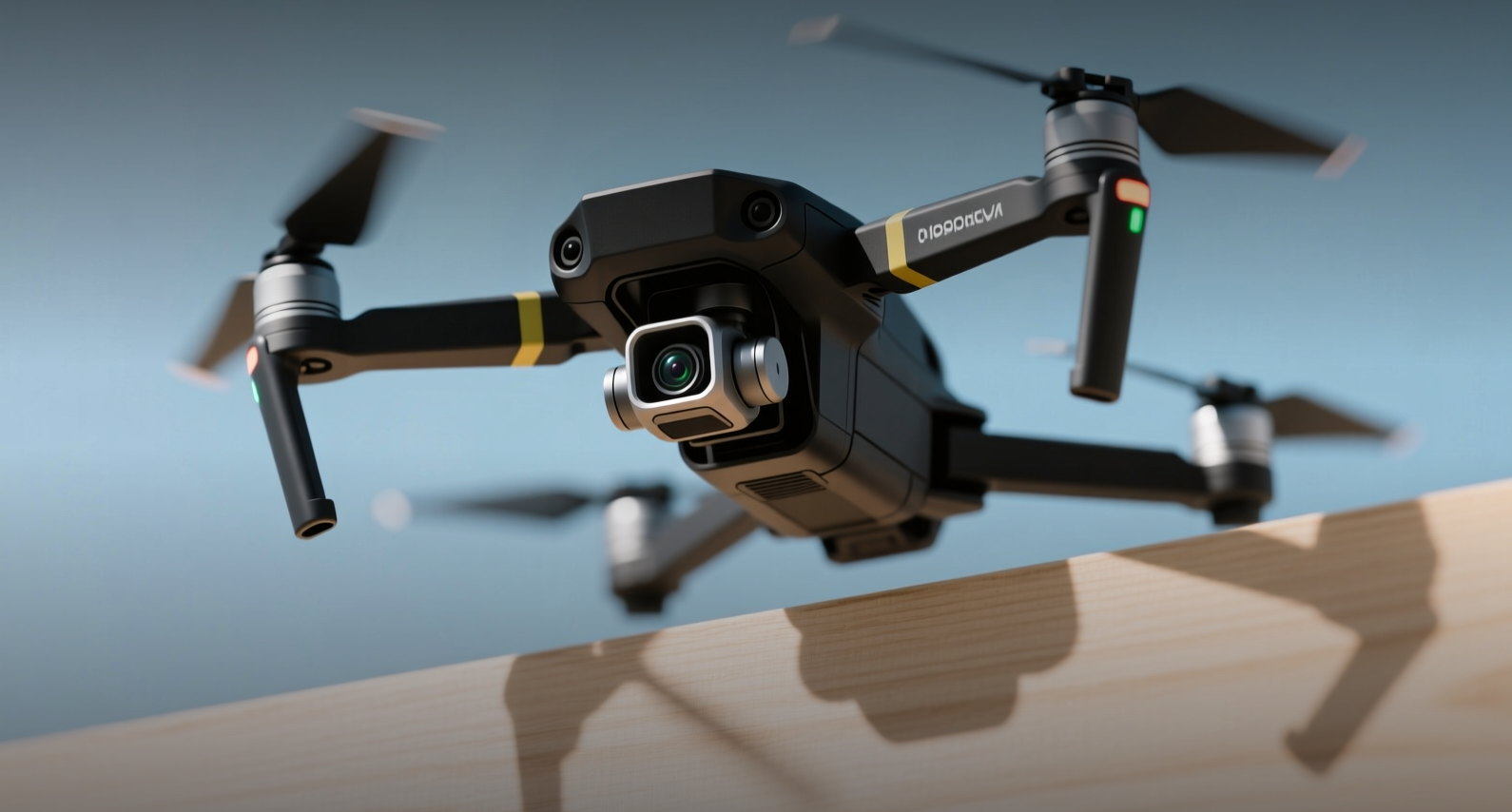
Ondas Holdings is building an AI-powered autonomous defense platform that spans aerial, ground and stratospheric domains, betting a string of acquisitions and a partnership with Palantir Technologies can turn it into a scaled competitor in the fastest-growing segment of defense technology.
Ondas Inc. reported first-quarter 2026 revenue of more than $50.1 million, a tenfold increase from a year earlier that already matched its full-year 2025 total. The company raised its full-year 2026 revenue target to at least $525 million after closing the acquisition of DZYNE Technologies in a deal valued at about $875 million, up from a $390 million target set in May.
"This is not a financial acquisition — it is a strategic combination designed to create a larger, stronger and more competitive autonomous defense company," Chief Executive Officer Eric Brock said on an investor call after the deal closed July 2.
The DZYNE acquisition adds long-endurance intelligence, surveillance and reconnaissance aircraft, counter-drone systems and autonomous strike platforms to Ondas' portfolio, along with about 145,000 square feet of US-based production capacity. DZYNE is expected to generate roughly $190 million to $191 million in 2026 revenue and more than $300 million in 2027, according to Brock. The combined OndasSentinel division, which also includes the earlier World View acquisition, operates eight US facilities with more than 330,000 square feet of manufacturing capacity, 500 employees and over 140 engineers.
The Palantir connection and the SkyWeaver platform
Central to Ondas' strategy is SkyWeaver, an AI-powered mission intelligence platform being developed jointly with Palantir. The system is designed to connect data from stratospheric balloons, unmanned aerial systems and ground-based sensors into a unified intelligence network that can plan missions, coordinate autonomous actions and adapt to changing conditions in real time. Ondas is funding the development, while Palantir supports go-to-market activities and helps ensure Ondas platforms can connect with systems such as Maven, the US Department of Defense's AI targeting platform.
The company also introduced IRON-WAVE, a multi-layered robotic platform that combines aerial and ground autonomous systems with an AI-assisted mobile command-and-control center. Ondas said the system has already been deployed with military units in active combat environments and has received positive feedback for improving mission effectiveness and force protection.
Competitive positioning and valuation
Ondas is competing for defense contracts against Red Cat Holdings, Kratos Defense & Security Solutions and Draganfly. Red Cat is advancing its FANG and Black Widow drone platforms for US and allied military customers, while Draganfly has secured orders from the US Army and special operations units. Kratos, a more established player in the sector, has seen its stock decline 5.5% over the past year.
Ondas shares have gained 214% over the past 12 months, far outpacing the Zacks Wireless-National industry's 103% advance, though the stock has fallen 42% in the past six months. The company trades at 4.86 times forward 12-month sales, a discount to the industry multiple of 8.87, reflecting the Value Score of F assigned by Zacks. Earnings estimates for the current year have been revised downward over the past 60 days.
The company's backlog stood at about $457 million after the World View and Mistral acquisitions, with a pipeline of more than $4.5 billion across over 45 active submissions and strategic programs. Ondas said it expects backlog to expand by an additional $95 million upon closing the Cyberhawk acquisition, which it expects in the third quarter.
Brock said Ondas expects to moderate its acquisition pace in the second half of 2026 and focus on integration, manufacturing scale and recurring revenue growth. The company achieved product company-level EBITDA profitability two quarters ahead of its internal plan in the first quarter.
For investors, the question is whether Ondas can sustain its revenue trajectory as it integrates multiple acquisitions while competing against better-capitalized defense contractors. The raised guidance implies roughly 670% year-over-year revenue growth for 2026, a target that now depends heavily on DZYNE's ability to deliver on its $111 million backlog and $1.5 billion customer pipeline.
This article is for informational purposes only and does not constitute investment advice.