


Key Takeaways:
- The Nasdaq rose 0.5% as tech reclaimed leadership on Wall Street Tuesday
- Alphabet jumped 3% on a report it is developing a "Frozen v2" AI chip
- Alphabet's Q2 earnings Wednesday will test whether AI investments are paying off
Key Takeaways:
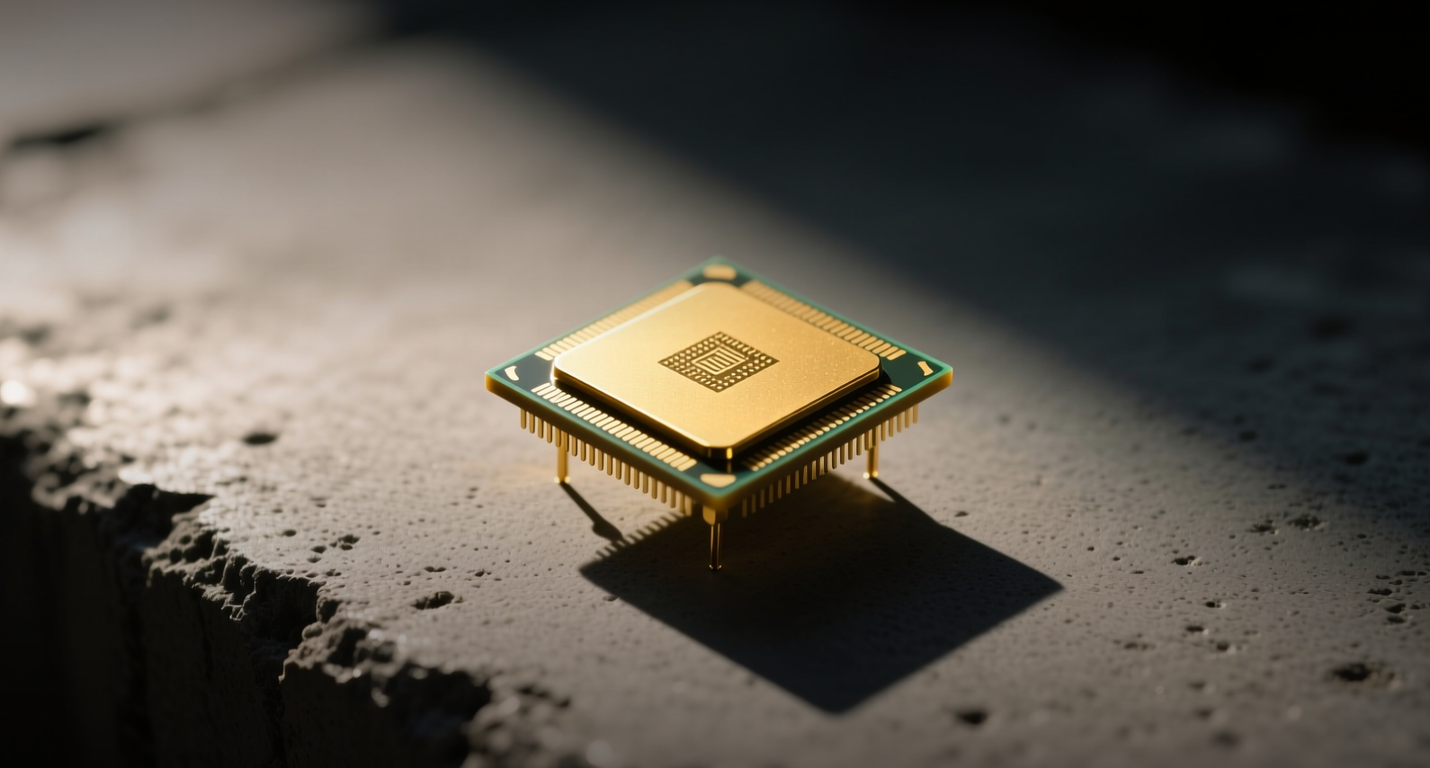
Alphabet jumped 3% on a report it is developing a next-generation AI chip, lifting the Nasdaq and S&P 500 even as geopolitical headwinds kept the Dow in negative territory.
The Nasdaq Composite rose 0.5% Tuesday as tech reclaimed leadership ahead of Alphabet's earnings, with a semiconductor rally on AI chip news outweighing US-Iran tensions and Canadian tariff pressures.
"The bar is pretty high" for earnings this season, said Sylvia Jablonski, chief investment officer at Defiance ETFs, noting that AI represents a multitrillion-dollar addressable market.
The Technology Select Sector SPDR gained 1.1%, while the Communication Services Select Sector SPDR rose 2.4%, led by Alphabet's 3% jump. The iShares Semiconductor ETF climbed 2.1%, with Micron Technology surging 4.2% and Broadcom adding 2.8%. On the downside, the Dow Jones Industrial Average fell 0.3%, dragged by Caterpillar's 1.2% decline — which erased roughly 62 points from the price-weighted index. Apple dropped 2.4%. The CBOE Volatility Index stood at 18.77 after rising 12.2% on Friday, when decliners outnumbered advancers by a 1.94-to-1 ratio on the NYSE.
Alphabet reports second-quarter results Wednesday, kicking off Magnificent Seven earnings season. Consensus estimates call for earnings of $2.90 per share on revenue of $101.22 billion, with Google Cloud revenue expected to soar 67% to $22.79 billion. The report will test whether massive AI infrastructure investments — Alphabet's CapEx hit $35.7 billion in Q1, up 107% — are generating returns, a question that will determine whether tech's leadership can hold.
The semiconductor rally was sparked by a report that Alphabet is developing a next-generation AI server chip, informally dubbed "Frozen v2," that could serve six to 10 times more AI tokens per unit of power than its current custom TPUs. The chip, expected as early as 2028, would hardwire aspects of Google's Gemini neural-network architecture directly into silicon, reducing energy costs and latency. The development addresses Alphabet's severe internal compute shortages, which have reportedly led Google Cloud to turn away some external customers. The news lifted not only Alphabet but the broader chip sector, with Nvidia adding 1.5% and the SOXX index bouncing from a 19% decline from its June high. Micron's stock has surged 681% over the past 52 weeks.
Despite tech's advance, the Dow's decline reflected persistent macro concerns. US-Iran tensions over potential oil disruptions in the Middle East and the threat of Canadian tariffs kept energy and industrial stocks under pressure. Oil prices rose on heightened supply risks, adding to inflationary concerns that have kept the Federal Reserve cautious on rate cuts. The Energy Select Sector SPDR was the only S&P 500 sector to gain on Friday, rising 1.2%, while communication services, consumer discretionary, and technology all fell. The VIX's jump to 18.77 on Friday — a 12.2% increase — signaled lingering unease that could trigger a failed rally later in the session. Friday's trading volume of 17.55 billion shares fell below the 20-session average of 20.87 billion.
Alphabet's report Wednesday will set the tone for Microsoft, Meta, Amazon, Apple, and Nvidia in the weeks ahead. Hyperscalers are expected to spend a collective $650 billion on AI infrastructure this year, and investors are looking for evidence of returns. Alphabet trades at 24 times forward earnings, near the S&P 500's average, giving it limited room for multiple contraction if results disappoint. Conversely, stronger-than-expected cloud growth or encouraging commentary on Gemini adoption could reinforce the bull case. Alphabet has exceeded earnings expectations for 13 consecutive quarters, with an average EPS surprise of 34.43% over its last four reports.
This article is for informational purposes only and does not constitute investment advice.
