
Key Takeaways: Trump's 15% polysilicon tariff faces a Supreme Court test after 25 states sued, yet the S&P 500 has climbed 5 percent since the July 23 announcement.
Key Takeaways: Trump's 15% polysilicon tariff faces a Supreme Court test after 25 states sued, yet the S&P 500 has climbed 5 percent since the July 23 announcement.
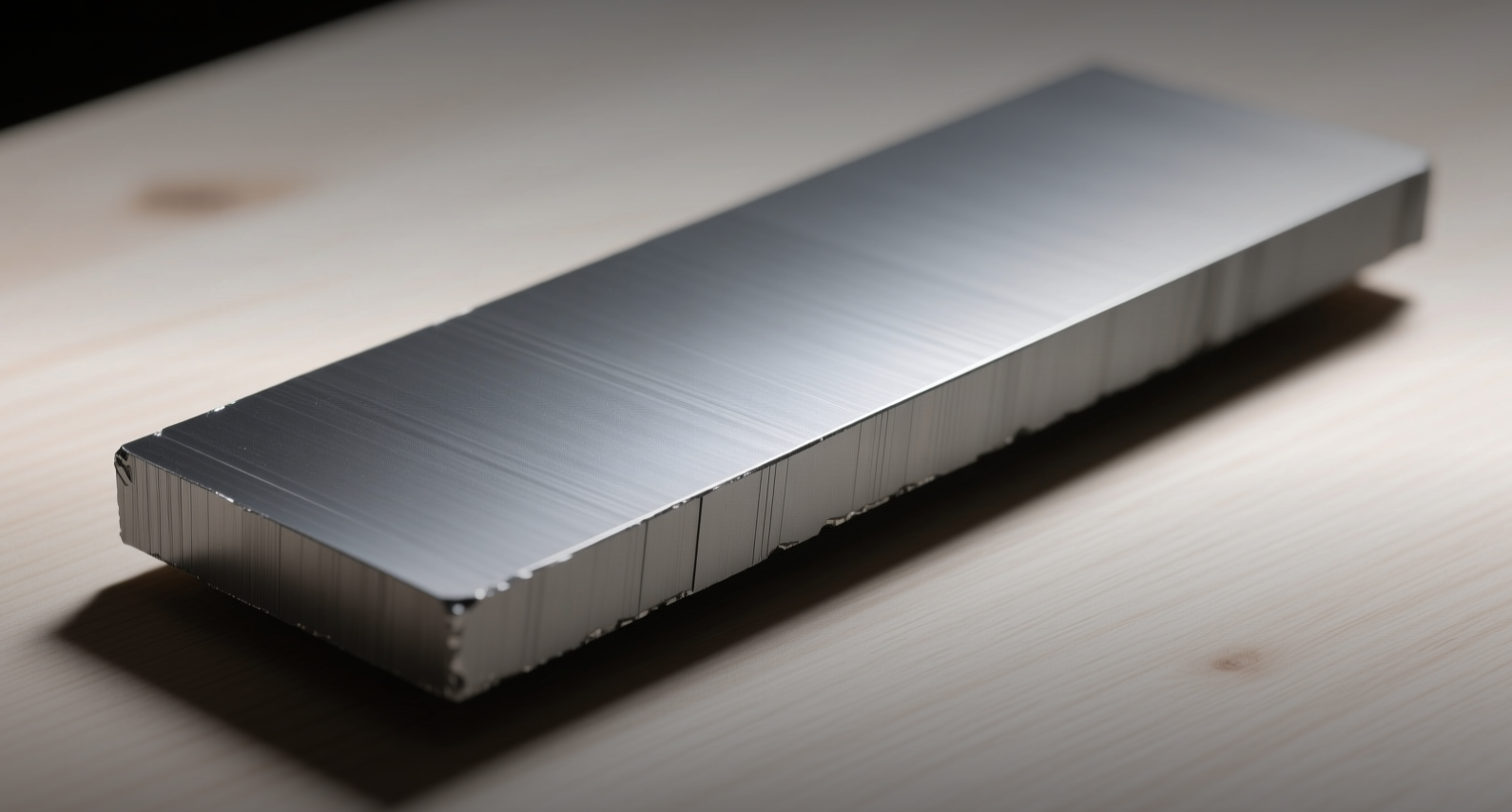
President Donald Trump's 15% tariff on polysilicon imports faces lawsuits from at least 25 states, yet the S&P 500 has climbed 5 percent since the July 23 announcement on bets the courts will strike it down.
The state-level action follows a separate suit by the Liberty Justice Center, a legal nonprofit, arguing the president lacks constitutional authority to impose sweeping tariffs without Congress — the reasoning behind the Supreme Court's February ruling that overturned the previous round.
The tariff, imposed under Section 232 of the Trade Expansion Act, sets minimum import prices of $21 per kilogram for polysilicon, $100 per kilogram for ingots and wafers, $0.22 per watt for solar cells and $0.38 per watt for modules, effective December 4. China controls more than 90 percent of global polysilicon output, down from the roughly half the United States held in 2005.
If the courts strike down the tariffs, trade-sensitive sectors and international equities stand to gain; if they hold, U.S. solar and semiconductor manufacturers face higher input costs without a guaranteed expansion of domestic supply. The outcome hinges on whether the price floors justify the billions in capital expenditure needed to rebuild a domestic polysilicon chain.
The measures target a material that sits at the start of two strategically important chains. In solar manufacturing, polysilicon becomes wafers, then cells, then panels; in semiconductors, highly refined silicon forms the base of modern chips. The Semiconductor Industry Association estimates chips account for just 2.4 percent of global polysilicon demand, but the far larger solar industry keeps the material available and affordable for chipmakers.
That link explains why U.S. solar manufacturers welcomed the move. T1 Energy, First Solar and Qcells, the U.S. arm of South Korea's Hanwha, all backed the measures. T1 Energy is investing $510 million in a solar-cell factory alongside its Texas panel plant. The policy also includes domestic content requirements that rise to 50 percent by 2026 and 80 percent by 2029 — an aggressive timeline for an industry where the United States accounts for less than 2 percent of global polysilicon production.
The four-month gap before enforcement creates an incentive to stockpile. Tim Brightbill, a trade attorney at Wiley Rein who has brought cases against Chinese solar companies, warned the delay could produce a surge of imports before December 4 as companies rush products into the United States ahead of the new pricing regime.
For investors, the legal uncertainty has shifted attention to international exposure. The Vanguard FTSE All-World ex-US ETF, which holds 3,858 stocks across developed and emerging markets, has delivered 17.3 percent annualized returns over three years and about 28.5 percent in the past year. The Vanguard Total World Stock ETF, with 10,048 stocks and a 0.06 percent expense ratio, returned 18 percent annualized over three years, with roughly 62 percent in U.S. equities and 38 percent abroad, including Japan at 5.9 percent and Taiwan at 3.5 percent.
The last time the Supreme Court struck down a tariff round, trade-sensitive equities rebounded within weeks while the dollar weakened against major currencies. If this round meets the same fate, the S&P 500's 5 percent gain since July 23 could extend as import-dependent manufacturers recover margin. If the tariffs survive, U.S. solar developers face higher equipment costs, and the burden falls on whether new domestic capacity materializes before the December 4 deadline.
This article is for informational purposes only and does not constitute investment advice.
