
Ukraine's TrophyLab platform turns captured Russian tanks and drones into a global database of military vulnerabilities.
Ukraine's TrophyLab platform turns captured Russian tanks and drones into a global database of military vulnerabilities.
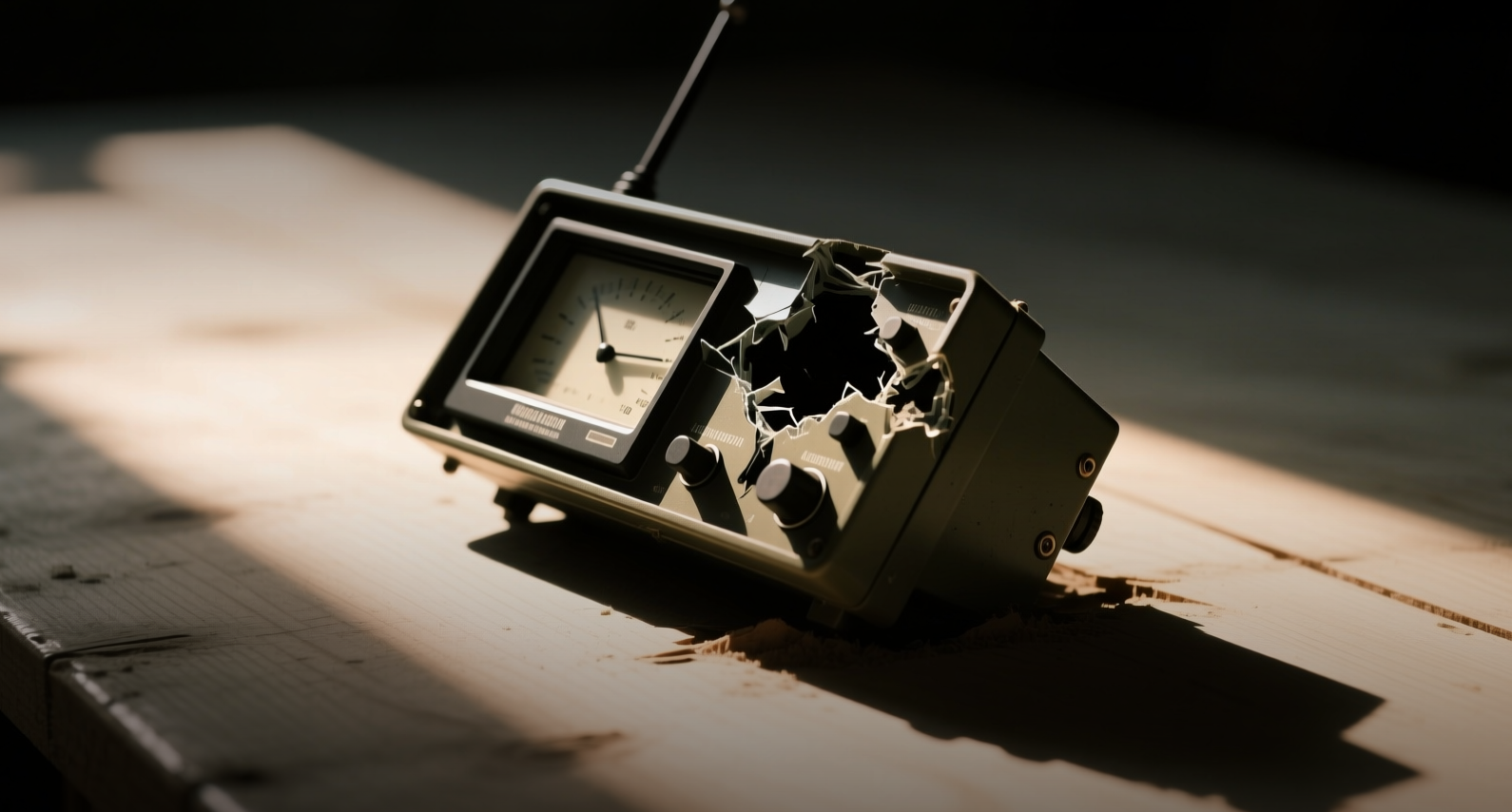
Ukraine launched TrophyLab, a digital repository of captured Russian military equipment, in summer 2026 — turning thousands of destroyed tanks and downed drones into a transparency tool that undermines Moscow's military reputation.
"TrophyLab undermines one of the Kremlin's most valuable strategic assets: its reputation as a first-rate military power," said Ilan Berman, senior vice president at the American Foreign Policy Council.
The platform provides researchers, governments and defense firms with specifications and vulnerability data on Russian hardware — from tanks and electronic warfare systems to communications equipment and drones. Thousands of Russian vehicles have been destroyed or captured since February 2022, each event generating technical intelligence that Kyiv now shares globally through the portal, which President Volodymyr Zelensky described as a "shared space for enemy weapons research." Sophisticated electronic warfare technology has fallen into Ukrainian hands, communications equipment assessed for vulnerabilities, and drones downed with their capabilities documented.
The implications extend beyond the battlefield. Prospective arms buyers in Africa and the Middle East — long reliant on Rosoboronexport's official spec sheets — can now compare marketing claims against real-world performance data. For NATO nations increasing defense spending across Europe's eastern flank, TrophyLab offers a window into the vulnerabilities of systems they may one day confront.
The launch extends Ukraine's broader strategy of compensating for conventional military disadvantages through innovation. Since 2022, Kyiv has adapted commercial technology for military purposes, pioneered new drone applications, and refined battlefield tactics — making information as crucial as firepower. TrophyLab represents the logical next step: weaponizing intelligence about the adversary's hardware.
Moscow spent decades cultivating an image of military invincibility. During the Cold War, advanced weaponry paraded through Red Square telegraphed Soviet power to the West and shaped the contours of the "twilight struggle." That reputation paid strategic dividends: before February 2022, the specter of confrontation with Russia deterred European defense planners, stymied NATO strategy, and influenced diplomatic approaches in Berlin and Paris that sought to engage and accommodate Moscow. Rosoboronexport, Russia's state arms exporter, reinforced this image through marketing campaigns targeting weapons-hungry client states in Africa and the Middle East.
The Ukrainian battlefield has shattered that narrative. Thousands of destroyed Russian tanks, captured electronic warfare systems, and downed drones have provided Kyiv with a trove of technical data exposing the gap between advertised capabilities and actual performance. TrophyLab systematizes that intelligence, making it accessible to anyone with an internet connection — from defense analysts in Brussels to procurement officers in Cairo.
The platform's impact is both commercial and strategic. Russia's arms export business, a pillar of its foreign policy and a source of influence in the developing world, depends on the perception of technological superiority. TrophyLab gives prospective buyers — from African militaries to Middle Eastern defense ministries — access to battlefield-verified assessments of Russian hardware. That transparency could drive harder bargains in arms negotiations or push clients toward alternative suppliers from China, Turkey, or Western nations.
For NATO, the intelligence value is immediate. As European members increase defense spending in response to Russian aggression, understanding the vulnerabilities of Russian systems shapes procurement decisions and operational planning. The last time NATO faced a comparable intelligence windfall from captured Soviet equipment was during the 1973 Yom Kippur War, when Israel shared captured Arab weapons with Western allies, revealing the capabilities of Soviet-made T-62 tanks and SA-6 surface-to-air missiles.
TrophyLab represents a new category of strategic weapon — one that targets not territory or troops, but information and reputation. For Moscow, the damage may prove lasting: once the gap between marketed capability and battlefield performance is documented and shared globally, it cannot be undone. For Ukraine, the platform extends battlefield innovation into the information domain, creating a permanent record of Russian military weakness that will outlast any single engagement. The Pentagon has acknowledged that US industry remains years from matching Ukraine's wartime drone output, a measure of the depth of Kyiv's innovation advantage.
This article is for informational purposes only and does not constitute investment advice.
