
Key Takeaways: US jobless claims fell to 203,000 last week, staying near historic lows in a labor market where companies are neither hiring nor firing at scale.
Key Takeaways: US jobless claims fell to 203,000 last week, staying near historic lows in a labor market where companies are neither hiring nor firing at scale.
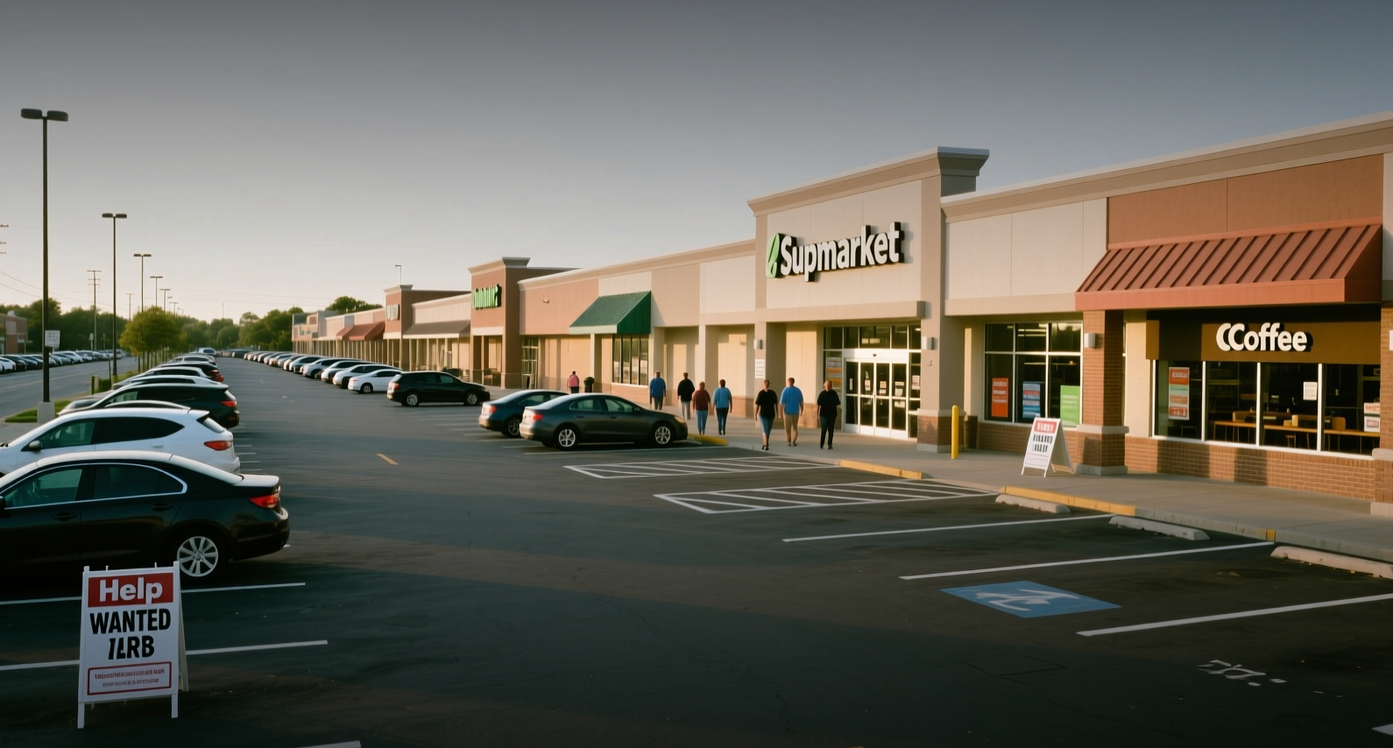
US jobless claims slipped to 203,000 last week, below the 208,000 forecast, keeping layoffs near historic lows in a "no hire, no fire" labor market that leaves the Federal Reserve room to hold rates.
"The energy shock is leaking into the economy," Jeff Schmid, president of the Kansas City Fed, said Thursday, adding the central bank "needs to return inflation to 2 percent." Schmid said he probably would have supported a rate hike at the July policy meeting.
The Labor Department's Thursday report showed claims fell 4,000 from the upwardly revised 207,000 a week earlier. Continuing claims, which track the total unemployed population, totaled just under 1.78 million in the week through Aug. 15, down 18,000. The four-week average ticked up to 205,500.
The data lands a day before Fed Chair Kevin Warsh addresses the Jackson Hole Symposium, with futures pricing a 62 percent chance the central bank holds rates in September. Sticky inflation and elevated oil prices from Middle East tensions complicate the outlook.
The claims figures extend a year-long stretch in which weekly filings have held mostly between 200,000 and 230,000, a historically low range that reflects employers' reluctance to shed staff after the worker shortages that followed pandemic lockdowns. The unemployment rate sits at 4.1 percent, partly because more than 1.3 million people have dropped out of the labor force over the past year as President Donald Trump's immigration crackdown and baby-boomer retirements reduced the pool of job seekers.
Hiring, however, remains sluggish. Employers have added an average 61,000 jobs a month this year, an improvement on the 9,700 monthly average in 2025 — the weakest hiring outside a recession since 2002 — but well below the 166,000 monthly pace of 2023 and 2024. The August jobs report, due next week, is expected to show employers added 65,000 positions, according to a FactSet survey of forecasters.
The combination of low layoffs and weak hiring has left the labor market in a holding pattern that economists describe as "no hire, no fire." That dynamic has kept wage pressure contained even as price growth proves stubborn. Wednesday's personal consumption expenditures price index showed inflation remains sticky, offering little evidence it is moving convincingly toward the Fed's 2 percent target.
The dollar edged lower Thursday as traders weighed the data against the rate outlook, with the dollar index around 99.05 after touching an intraday high of 99.26. The euro trimmed losses to trade near $1.1658. Treasury yields and equity futures showed little reaction to the claims print, which was broadly in line with recent readings.
The last time claims held this low for this long was in 2023, when the Fed was nearing the end of its tightening cycle and the labor market absorbed a series of rate increases without cracking. That precedent suggests the current stretch of low layoffs can persist even with policy on hold, though the slow pace of hiring leaves little cushion if demand weakens.
For the Fed, the data supports the case for patience. With claims near historic lows and inflation still above target, officials have little incentive to cut rates, while the absence of labor-market stress removes pressure to hike. Warsh's speech Friday will signal whether the September meeting is a hold or a hike, with Schmid's comments suggesting at least some officials lean toward tightening.
This article is for informational purposes only and does not constitute investment advice.
