
Key Takeaways:
- XPENG aims to produce over 1,000 IRON robots monthly by end of 2026
- Global deliveries of the humanoid robot are set to begin in 2027
- CEO He Xiaopeng sees cars becoming "robots with four wheels" over the next decade
Key Takeaways:
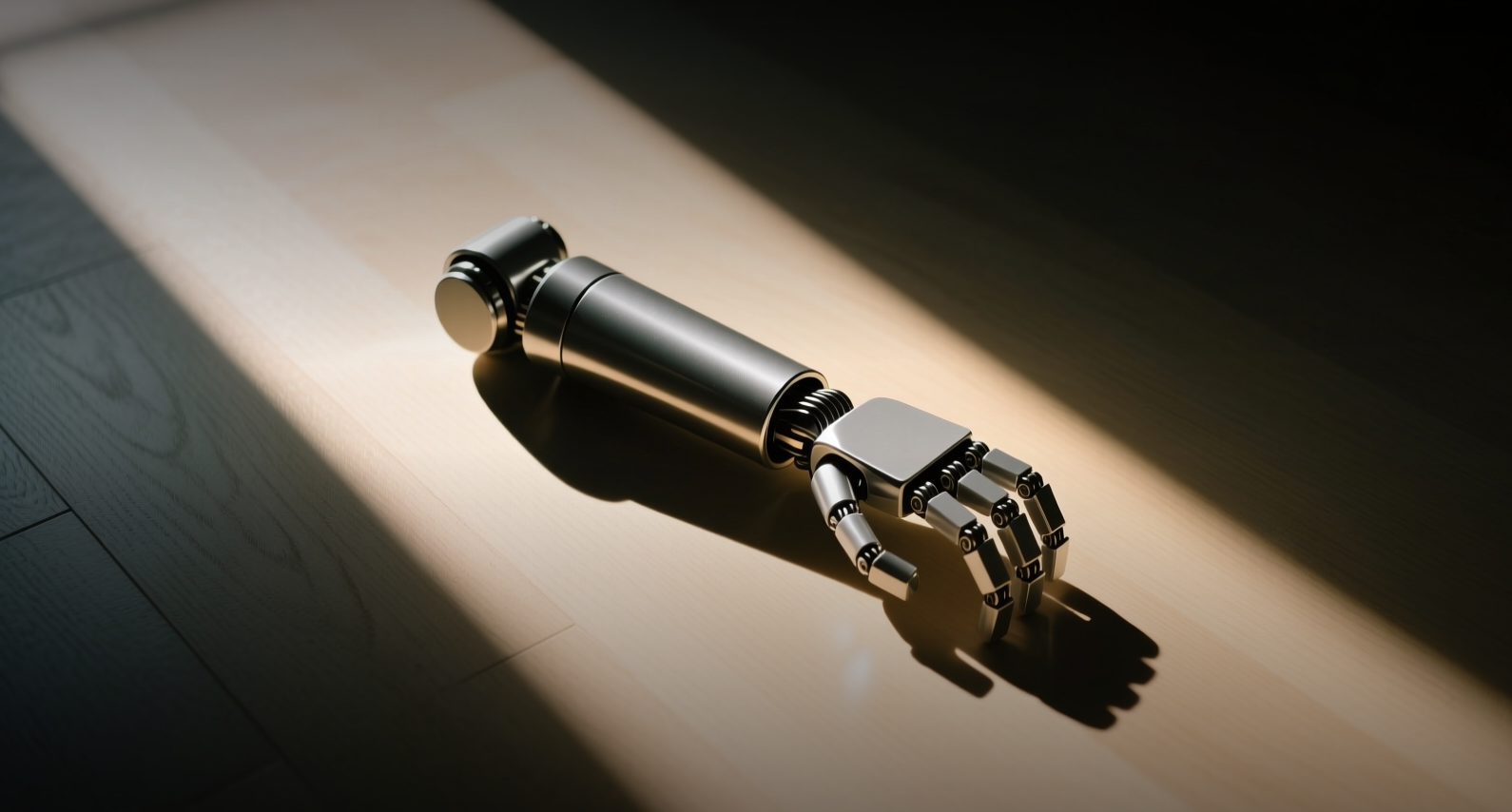
XPENG plans to transform from an electric-vehicle maker into a Physical AI company, with monthly production of its IRON humanoid robot exceeding 1,000 units by year-end.
XPENG Chief Executive He Xiaopeng said the integration of vehicles and robotics technology will be one of the key transformations over the next decade, with cars progressively becoming "robots with four wheels," in an interview with the Wall Street Journal. The company aims to drive the industry toward a "ChatGPT moment" where robots achieve mass production and reach ordinary consumers.
"One of the key transformations over the next decade will be the integration of vehicles and robotics technology," He Xiaopeng, Chairman and Chief Executive of XPENG, said. He envisioned cars evolving into what he called "robots with four wheels," with the company positioning itself as an all-rounded provider of integrated hardware and software solutions.
XPENG aims to raise monthly production capacity of its IRON humanoid robots to more than 1,000 units by the end of 2026 and begin global deliveries in 2027, according to the CEO. The company is building a 110,000-square-meter production base in Guangzhou's Tianhe District to support the ramp. Regions with higher labor costs, such as Europe, present significant commercial opportunities, with retailers among the initial target customers, though He stressed China will remain a key market with enormous potential.
The push places XPENG in direct competition with Tesla's Optimus program, which Elon Musk said will begin production this year from converted Model S and Model X lines at Fremont. Musk told analysts on Tesla's second-quarter earnings call that Optimus "has the potential to become the largest-volume product in human history" while acknowledging that "every component in the robot is newly developed" and the production ramp is "far more challenging than for any previous Tesla product." Musk also dismissed rival humanoid demonstrations as relying on "pre-programmed sequences or remote control," a charge that gained traction after XPENG's own AI Day in November, when IRON's fluid gait prompted audience skepticism that a person was hidden inside the shell — leading He to have an engineer cut open the robot's leg with scissors to expose the actuators and wiring.
The Production Challenge
XPENG's 1,000-unit monthly target by end-2026 would make it one of the largest humanoid producers globally, though the sector remains nascent. Research firm Omdia estimated roughly 13,000 humanoid shipments globally in 2025, with Chinese manufacturers producing about 85 percent of that total. Unitree reported 2025 deliveries exceeding 5,500 complete humanoids, while UBTech's audited results showed 1,079 full-size units sold.
The company's advantage lies in integrating software, AI models and automotive hardware into a single platform, He said. XPENG is developing into a Physical AI company, leveraging its existing expertise in autonomous driving, computer vision and battery systems — technologies that transfer directly to humanoid robotics. The IRON robot is expected to begin deployment as a sales assistant in XPENG showrooms in China during the first quarter of 2027 before expanding to commercial customers in Europe.
What It Means for Investors
XPENG shares fell 3.2 percent on the day of the announcement, with short selling accounting for 29.3 percent of trading volume, suggesting the market has yet to price in the robotics expansion. The company trades primarily as an EV manufacturer, where it faces intense price competition in China from BYD and Tesla. A successful robotics business could expand XPENG's valuation multiple by adding a high-growth, higher-margin revenue stream — similar to how Tesla's AI and robotaxi narrative has supported its premium valuation. However, the path from production targets to profitable deliveries remains unproven, with no humanoid company yet demonstrating sustainable commercial-scale operations.
This article is for informational purposes only and does not constitute investment advice.
